








Midland Co-Operative Marketing Association Stock Certificate from 1923
Midland Co-Operative Marketing Association Stock Certificate from 1923
Couldn't load pickup availability
Are the certificates authentic?
Are the certificates authentic?
Yes, all of the certificates we sell are authentic stock and bond certificates unless otherwise mentioned in the description. At one point in time, this certificate represented a share of of the company, or a bond receipt. These certificates have been removed from circulation and digitalized, as seen by cancellation holes, stamps and writing on the certificate. We offer these certificates as a collectable item, not a security.
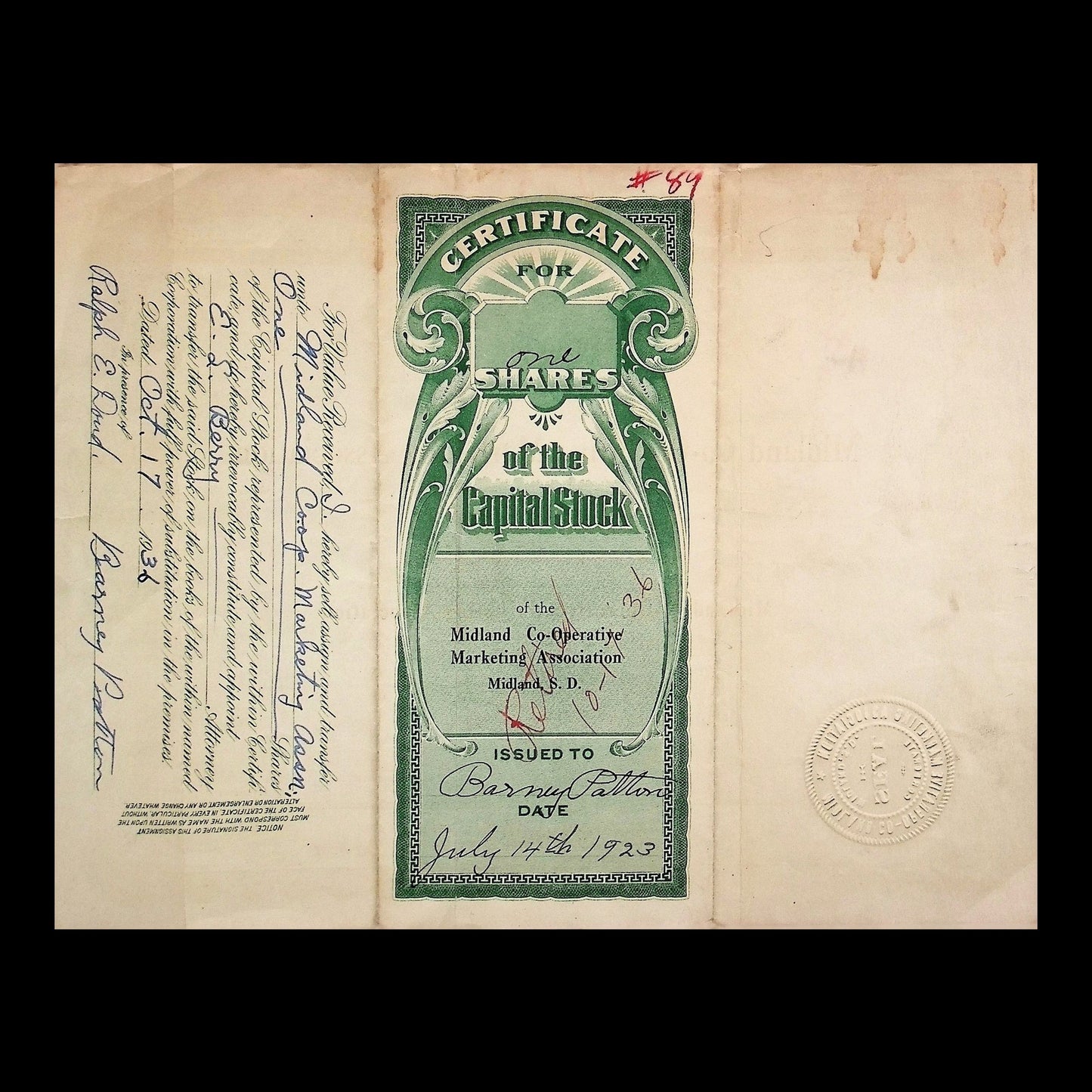
This is an original stock certificate from Midland Co-Operative Marketing Association, dated 1923, printed in green. The upper portion features a wide panoramic agricultural scene: a grain elevator anchors the left, a prosperous farmstead with barns and silos fills the center, and a team of four draft horses pulling farm equipment occupies the right panel. A secondary band at the bottom depicts cattle and horses in a pastoral scene, reinforcing the cooperative's agricultural mission. The border features scalloped edges and floral rosette corner medallions. Printed by Goes Lithographing Co., a Chicago-based firm renowned for cooperative and agricultural certificate work.
This certificate was issued and the green embossed corporate seal is present on the lower left. Light foxing and toning appear; the document shows light edge wear. Offered as a collectible.
The Midland Co-Operative Marketing Association was organized under South Dakota law and headquartered in Midland, a small community in Haakon County in the central plains. By 1923, the cooperative movement had swept across the Great Plains as farmers sought collective power against grain dealers, railroads, and commodity brokers who controlled prices. Cooperatives pooled resources to market grain collectively, share profits, and negotiate favorable terms—a direct challenge to the merchant and transportation monopolies that had long squeezed individual farmers. South Dakota emerged as a center of cooperative organizing, with hundreds of grain elevators, dairy associations, and livestock marketing groups chartered in the 1910s and 1920s. This certificate's issuance in July 1923 placed it at the peak of the cooperative boom, just before the economic collapse that would test every farm organization in America. The reverse of this certificate shows it was transferred from Barney Patton to Ralph E. Reid in October 1936—a transfer that occurred during the darkest years of the Dust Bowl and Great Depression, when South Dakota farmers faced simultaneous drought, collapsing commodity prices, and mass foreclosures. That this certificate survived and changed hands during those catastrophic years speaks to the resilience of the cooperative idea even as individual farms failed around it.
Stock certificates from agricultural cooperatives remain scarce in the scripophily market. Unlike railroad and industrial stocks, cooperative shares were often retired or destroyed when organizations dissolved or merged, making surviving examples like this one valuable records of rural economic history and the farmer organizing movements of the early twentieth century.
Materials and care
Materials and care
Here are some quick tips to preserve your certificate for decades to come.
Paper quality: Stock certificates were printed on a variety of certificate paper dating back to the mid 1800s. Most of these vintage collectable certificates have signs of used & wear , cancellation holes, pencil / pen writing, stamps, staples, adhesives, slight rips, missing coupons and other features.
Handling: Always handle the certificate with clean, dry hands or use cotton gloves to avoid transferring oils and dirt from your skin onto the paper.
Storage: Store the certificate in a cool, dry place away from direct sunlight, which can cause fading. Use acid-free folders or archival-quality plastic sleeves to protect it from moisture, dust, and physical damage.
Framing: If displaying the certificate, use a frame with UV-protective glass to prevent light damage. Ensure the certificate is mounted using acid-free materials to avoid any chemical reactions that could degrade the paper over time.
Avoid Exposure: Keep the certificate away from direct sun, extreme temperatures and humidity, which can cause the paper to warp or deteriorate. Avoid exposing it to pollutants, such as smoke or chemicals, which can cause discoloration.


On orders over $50
Or your money back
Trust us to build their collection
Secure payment with all major providers
Trusted By Thousands of Collectors
Let customers speak for us
Art with a Backstory
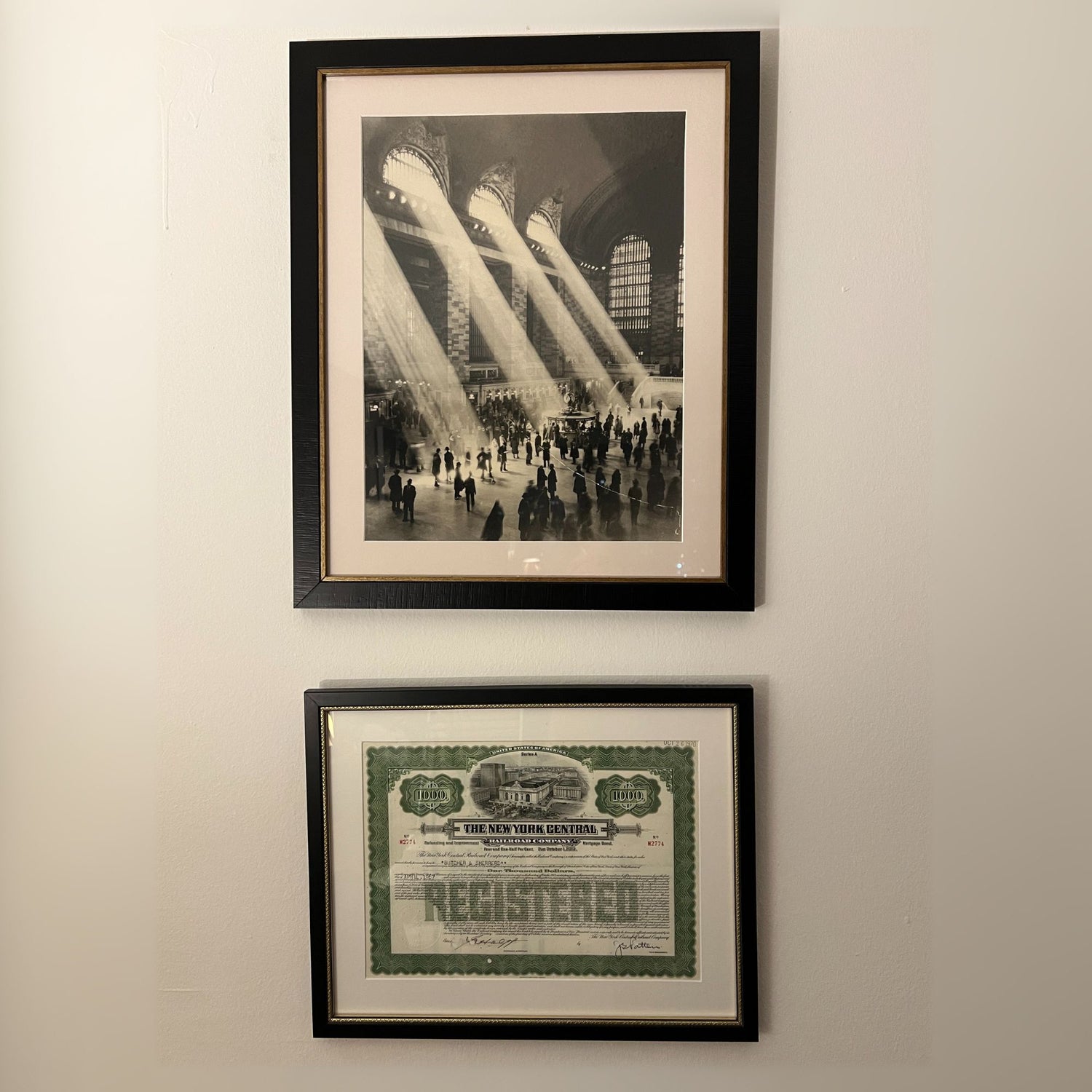
Every Certificate Tells A Story
Turn rare stock and bond certificates into timeless décor. Piece showcases bold colors, engravings, and historic signatures perfect for an office, library, bar, common area, museum & more.
Orders Ship Daily
Direct From Wall Street's Archives
Orders are shipped flat with care, tracked & insured with USPS, in a strong, rigid, protected envelope. Daily fulfillment Monday - Thursday from NYC.
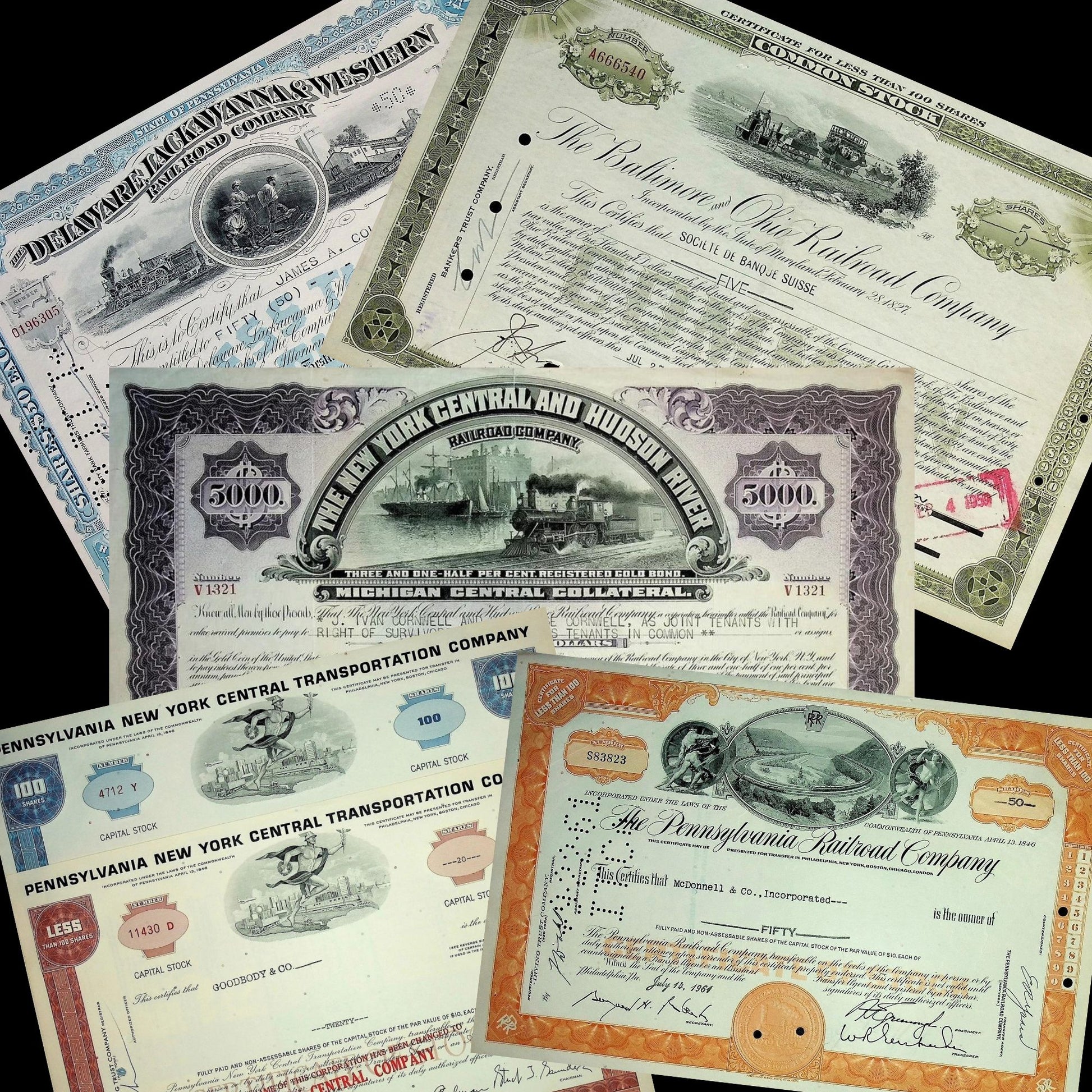
Railroad Stock & Bond Certificate Collectable Bundle Five Pack - 4x Stocks & 1x Bond
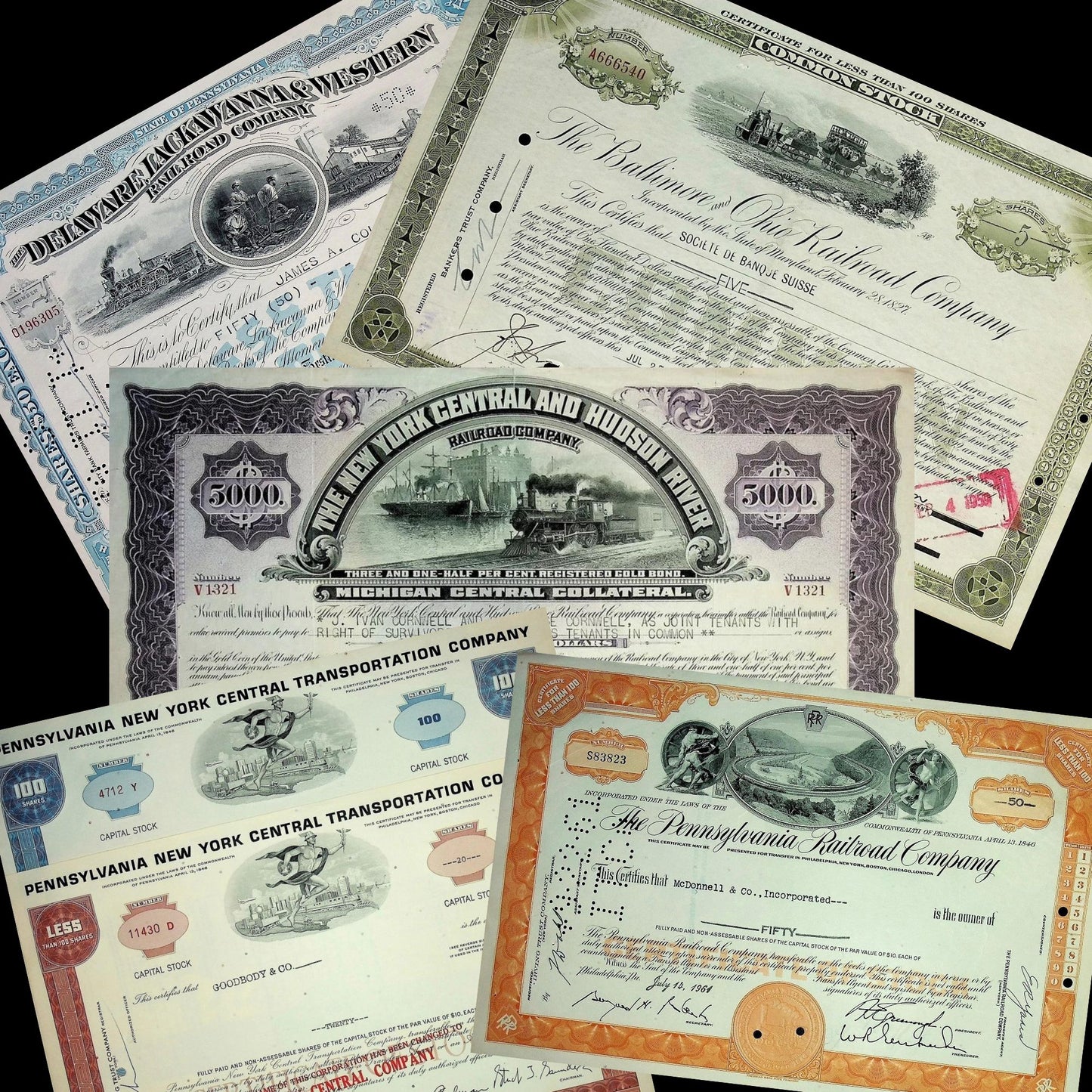
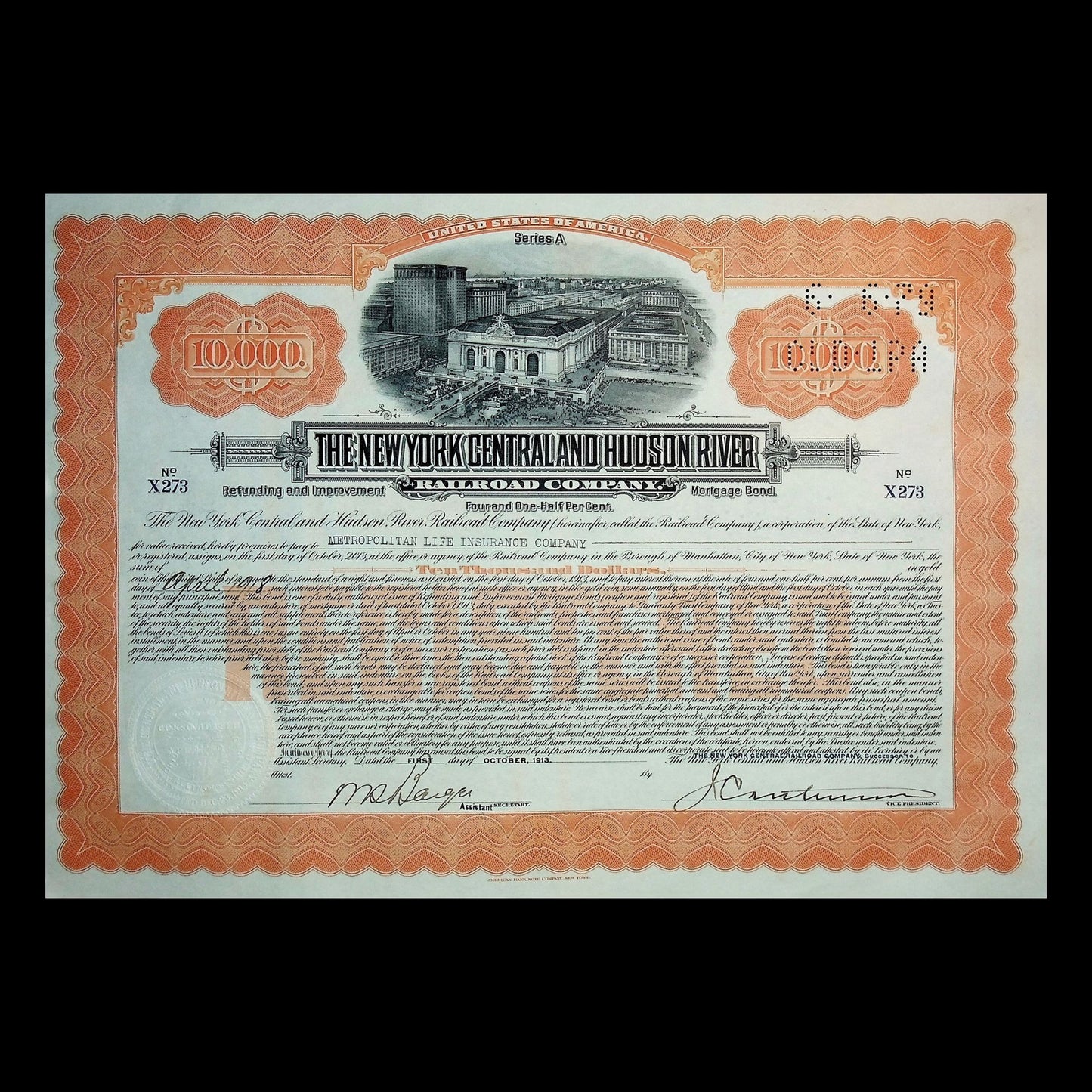
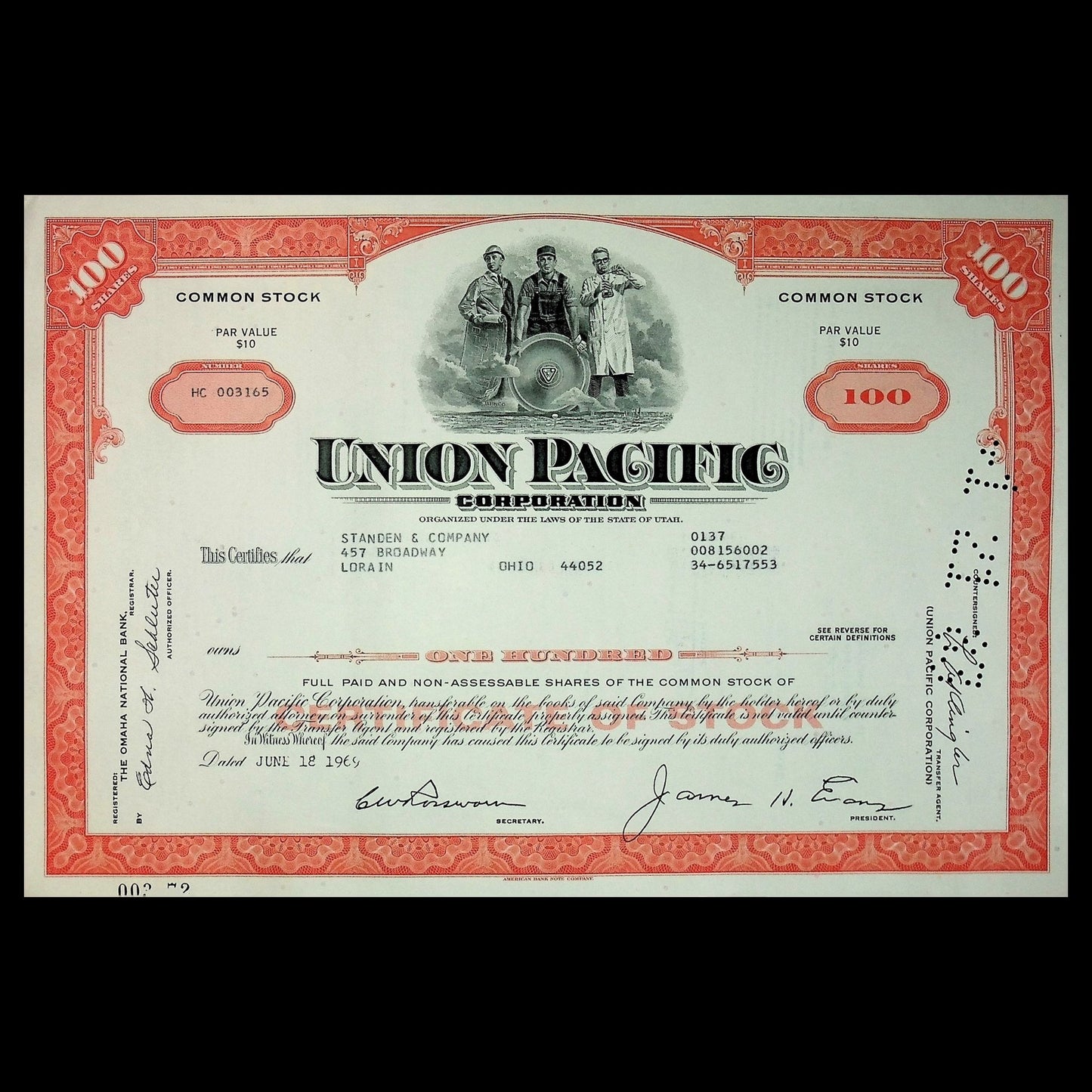
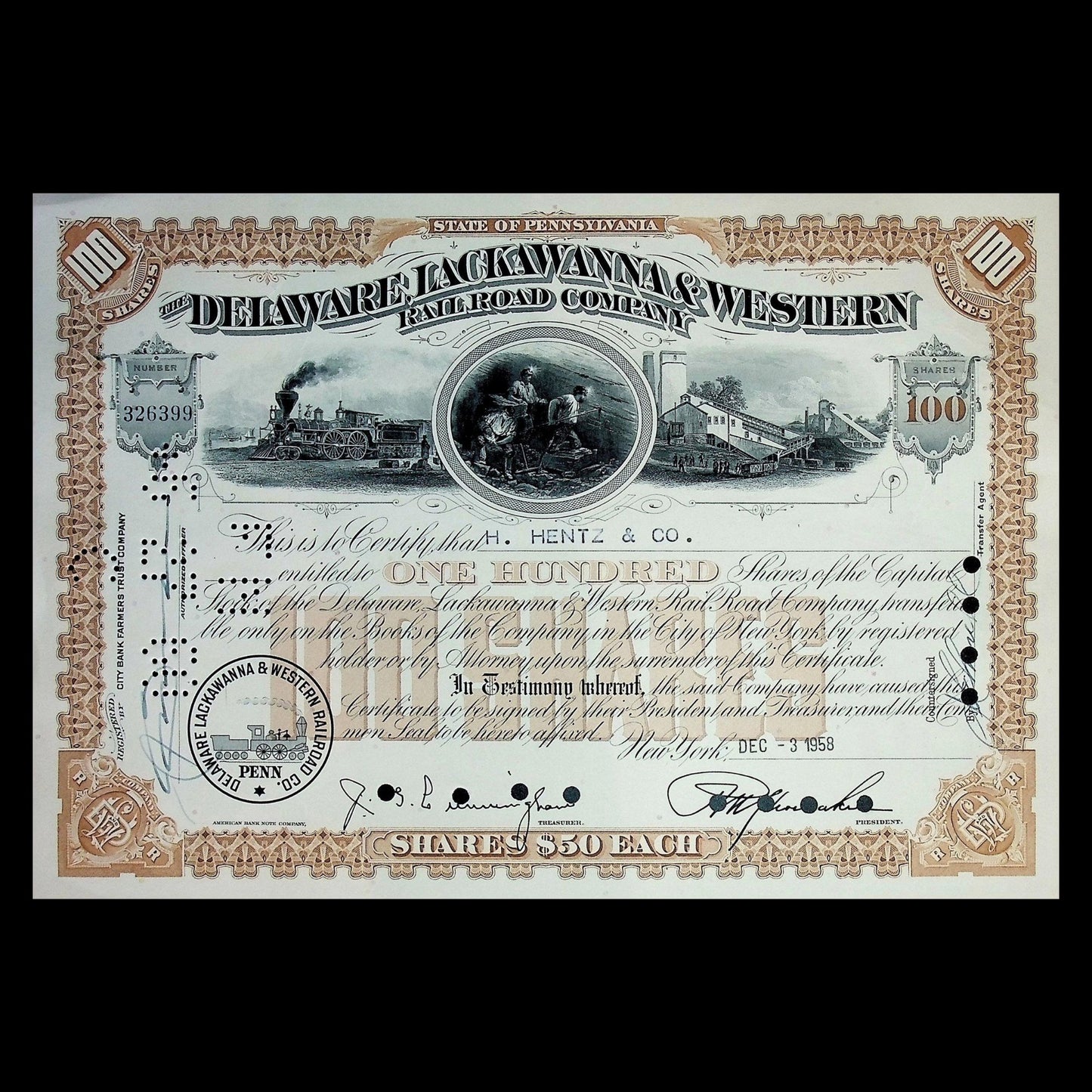
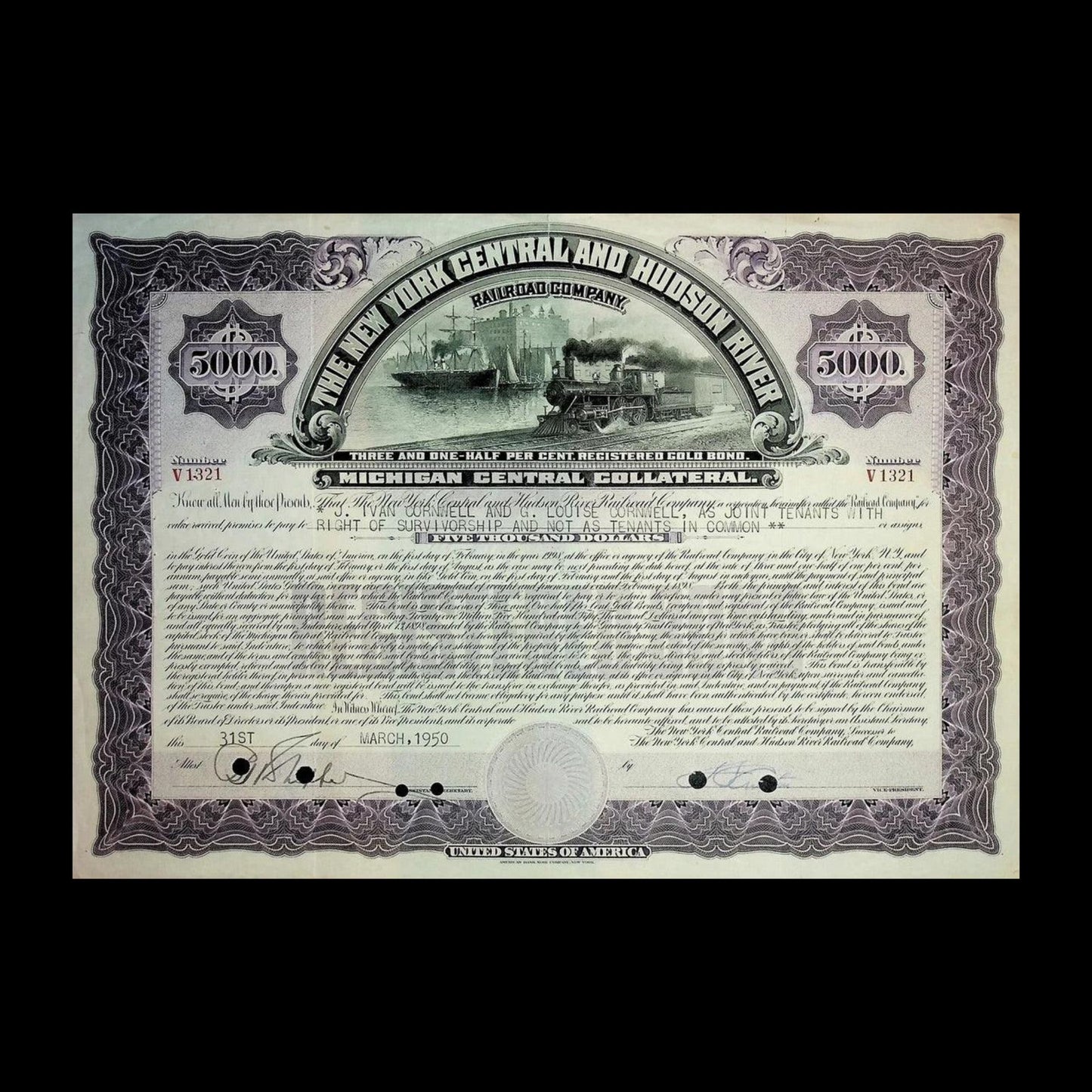
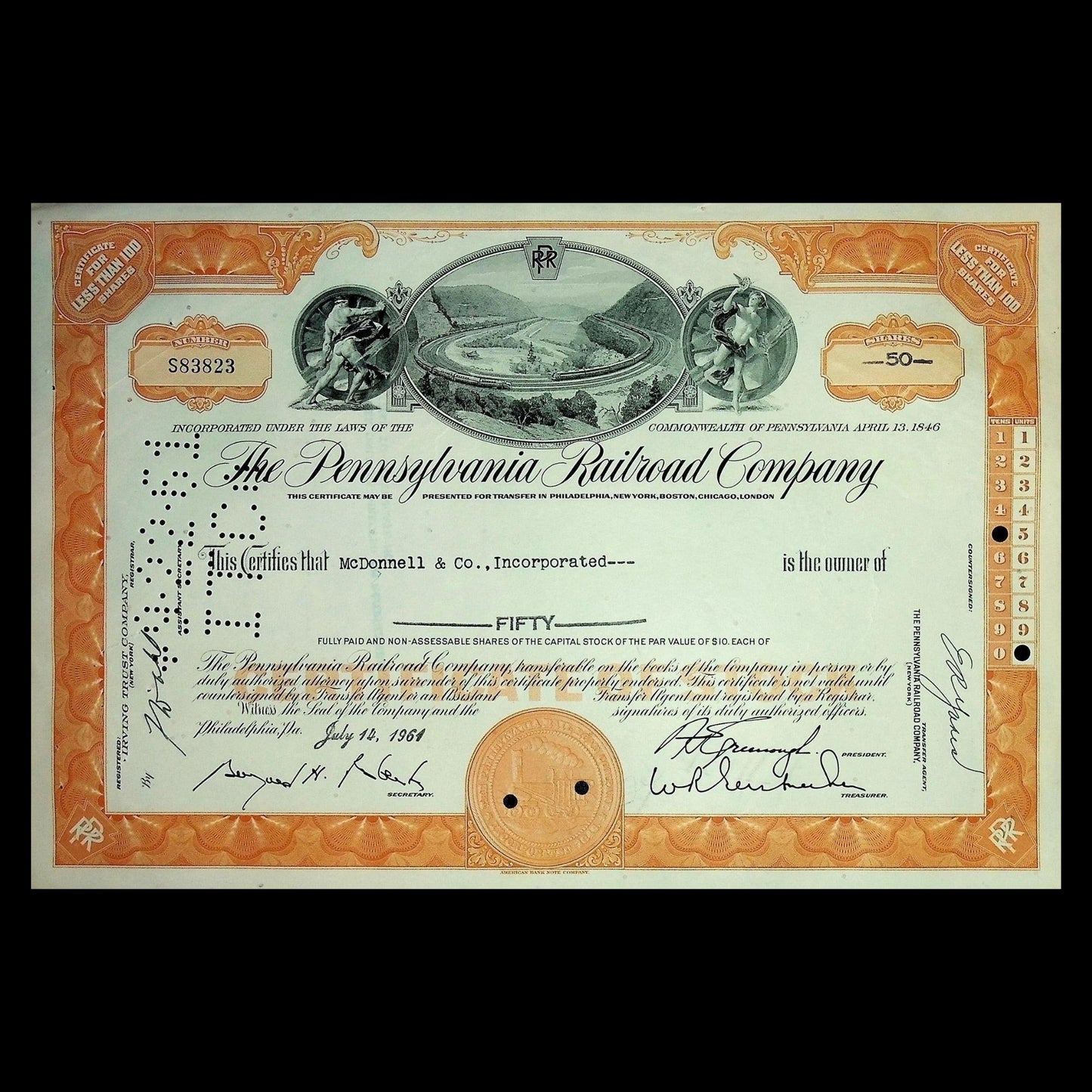
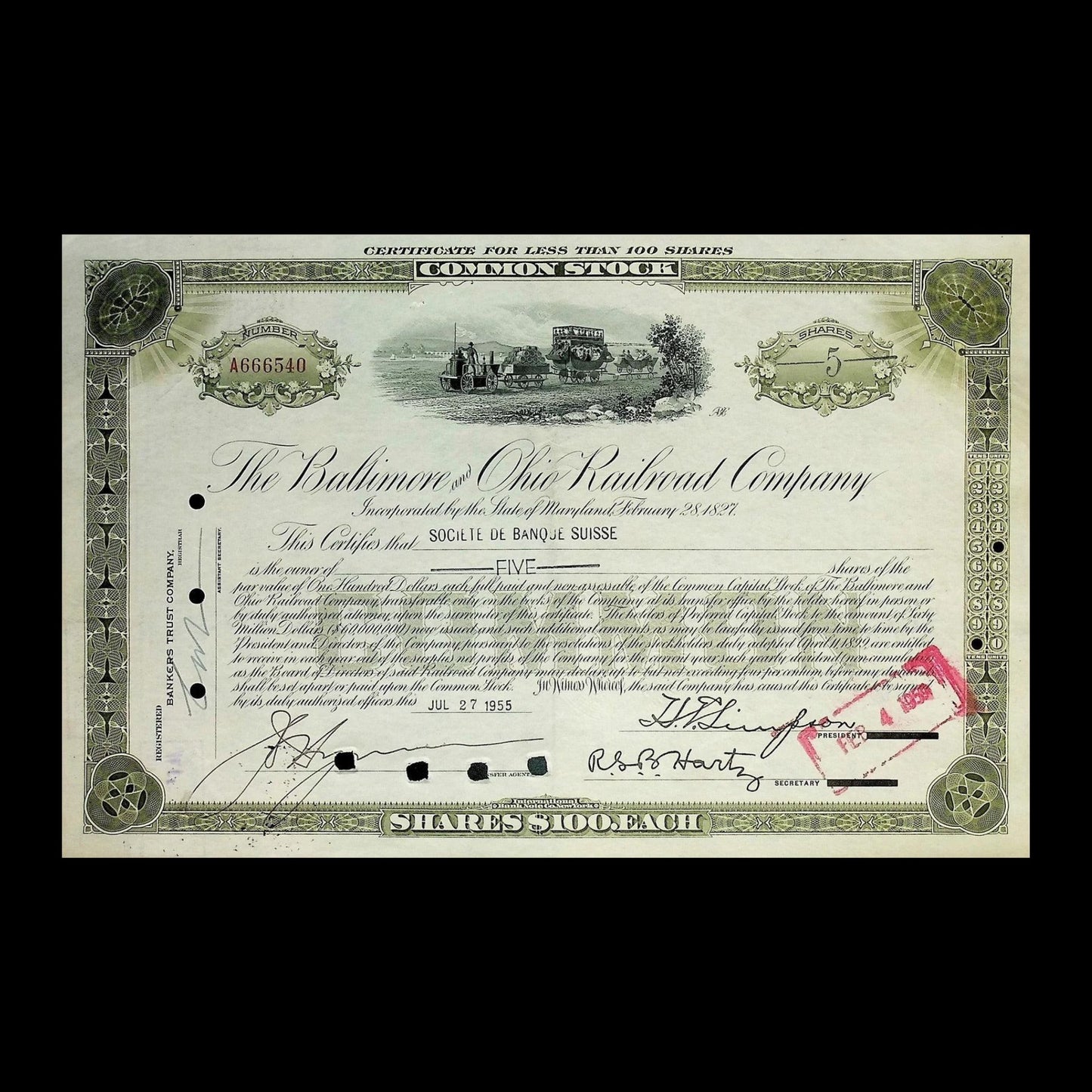
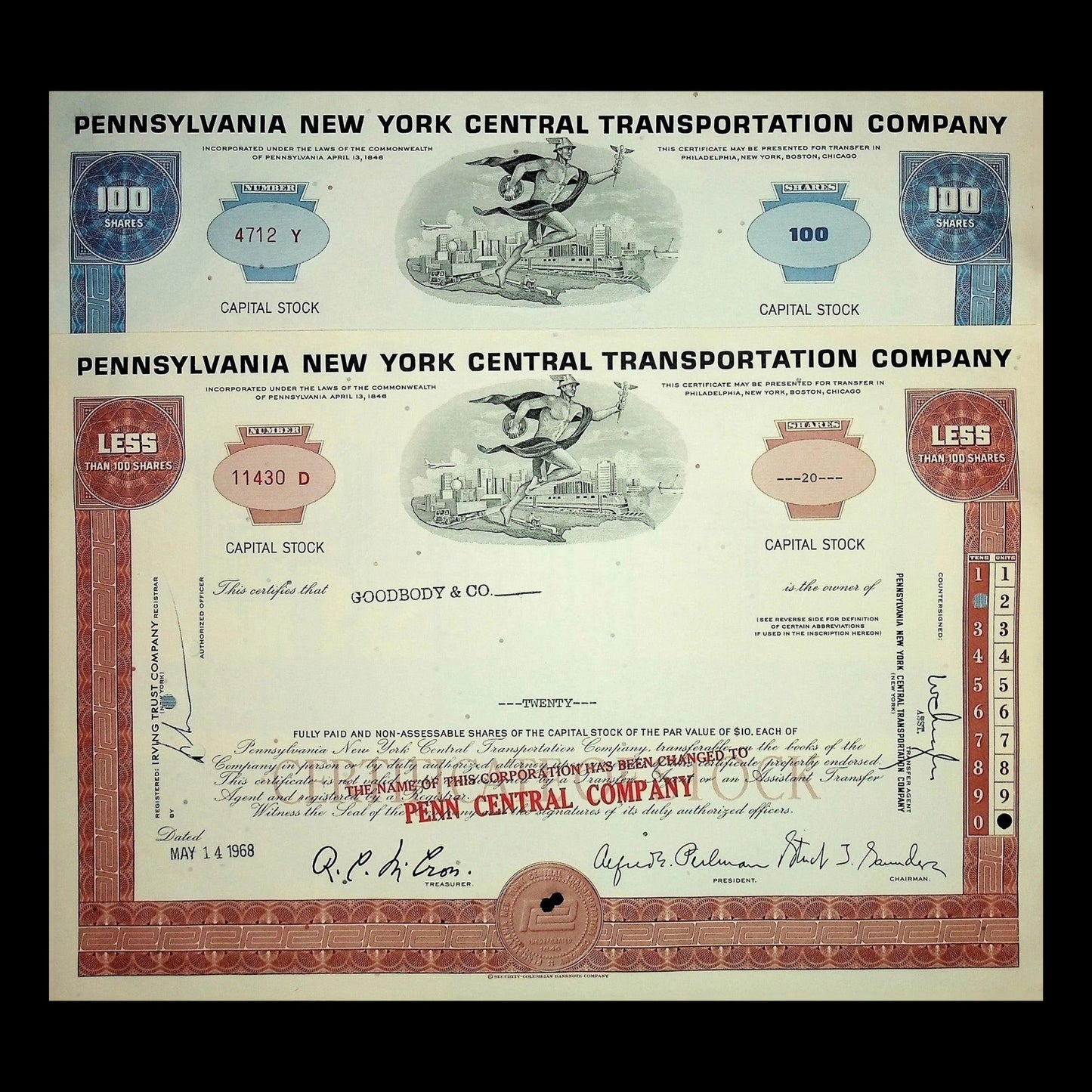
Discover 1,000s of Wall Street Collectables
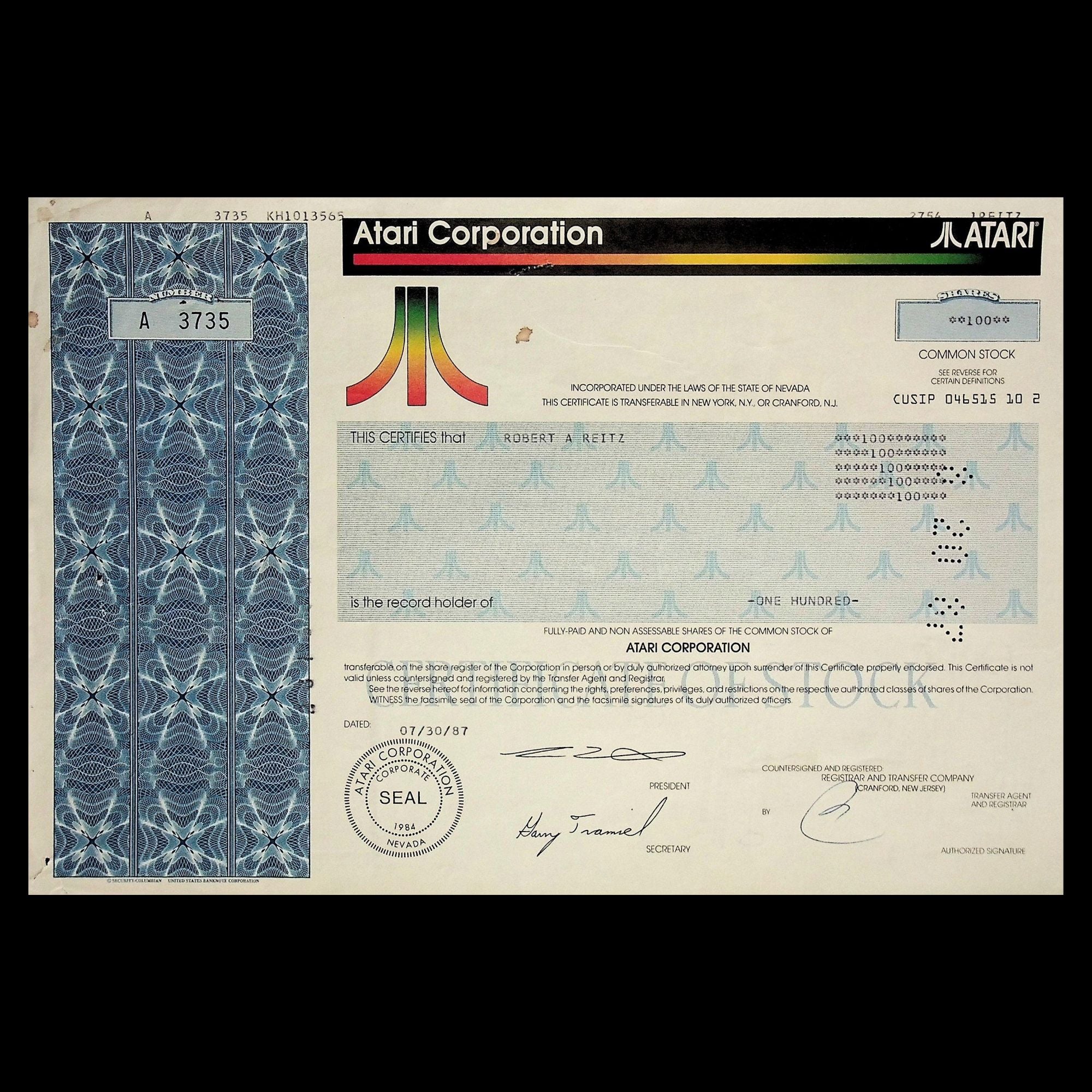
Atari Stock Certificate from 1980s With "Fuji" Logo
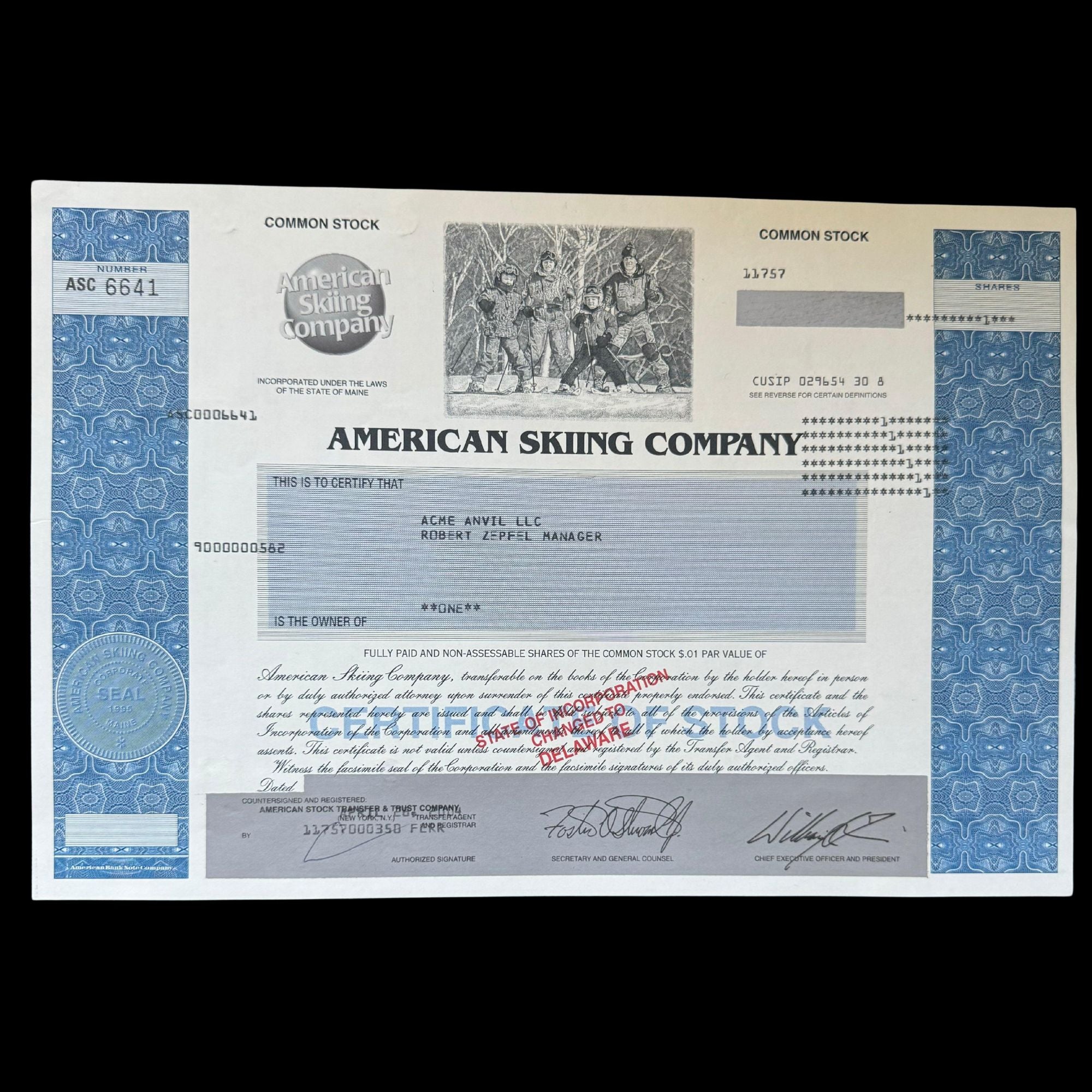
American Skiing Company Stock Certificate (feat photo of Skiers)
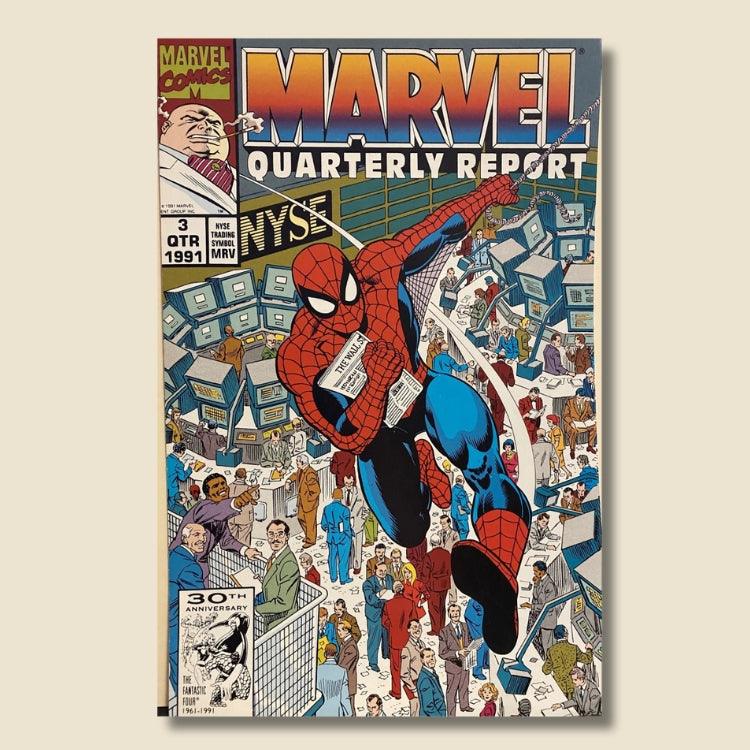
Marvel Spider-Man New York Stock Exchange 1991 Special Edition Comic

Enron Corp Stock Certificate from 2000s era - Authentic & Original
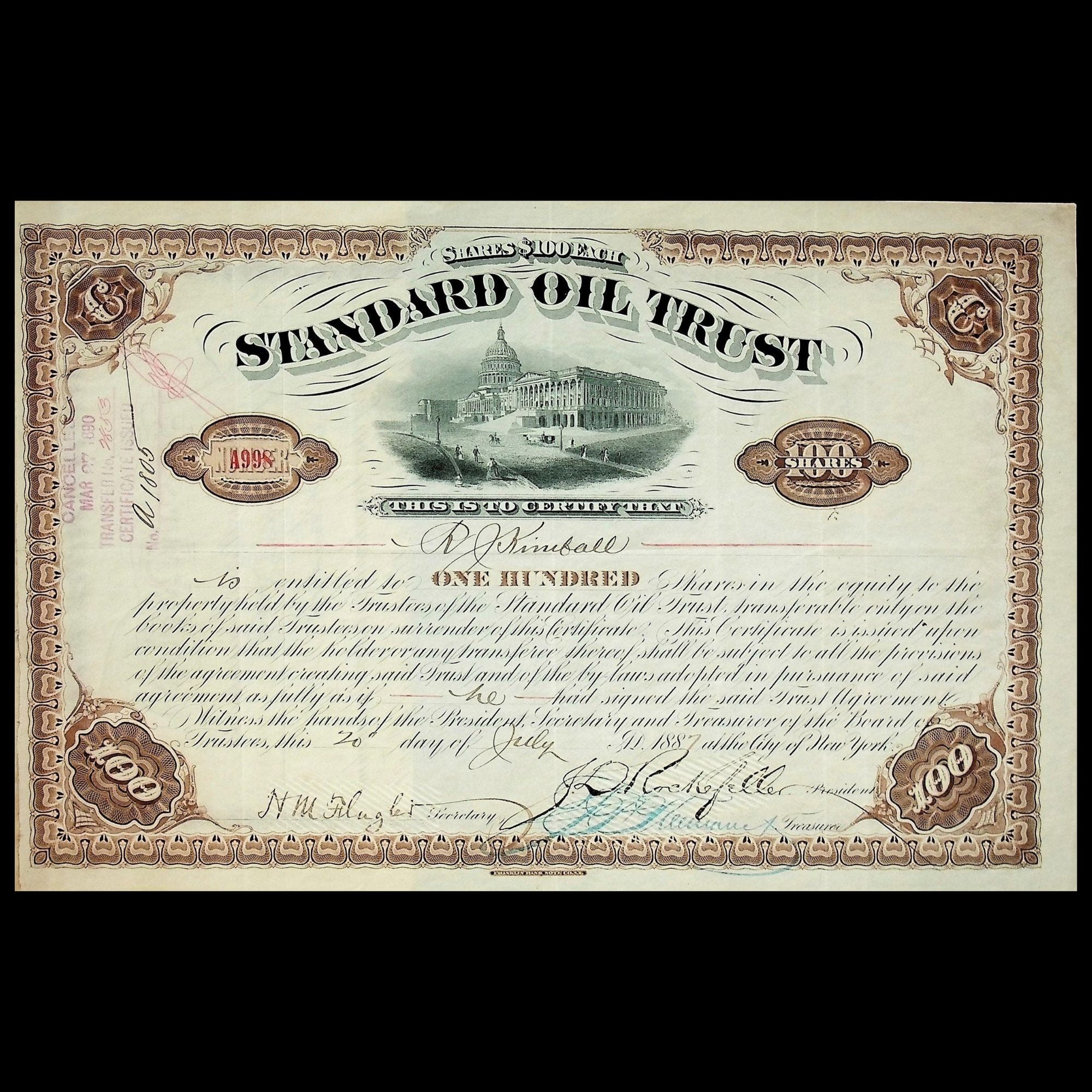
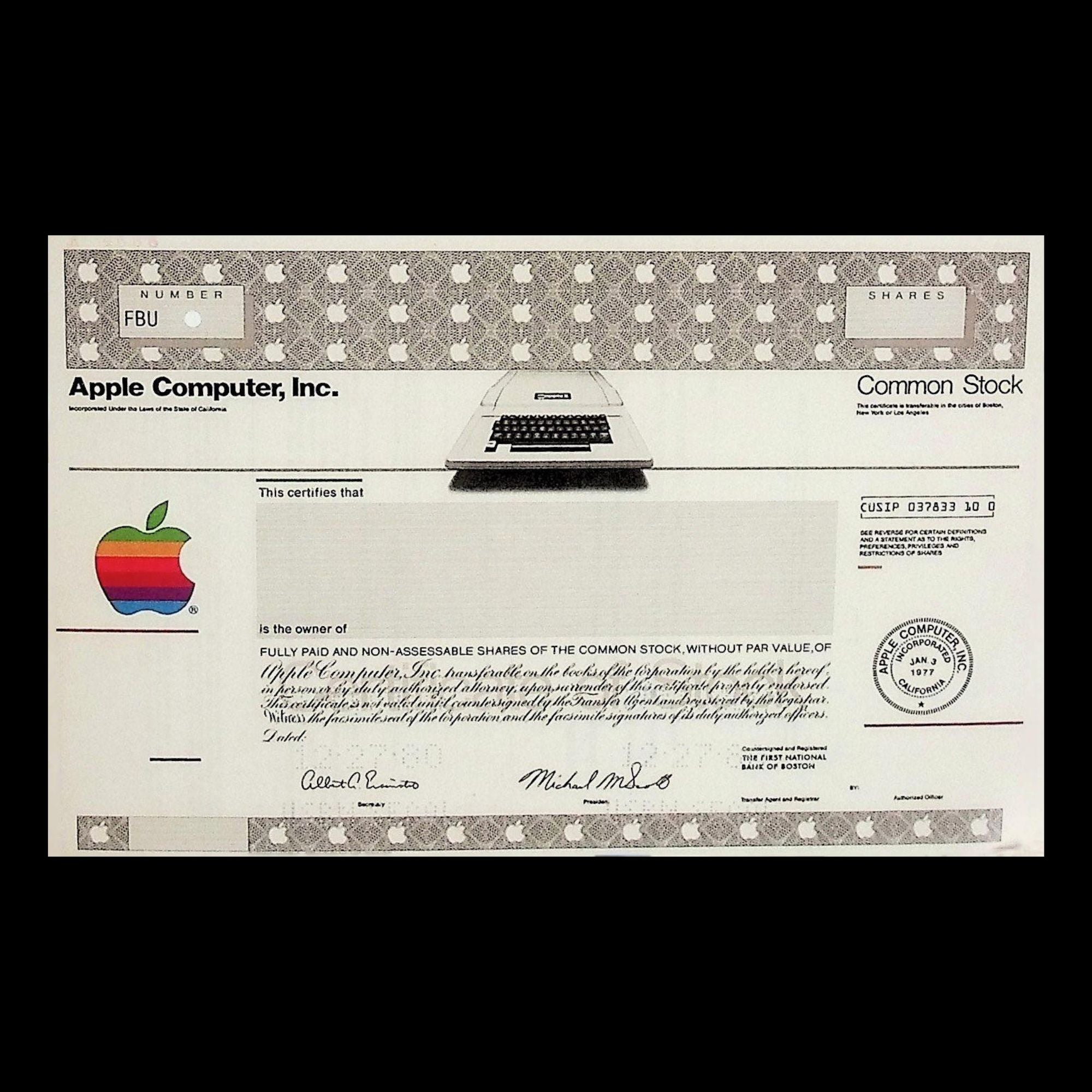
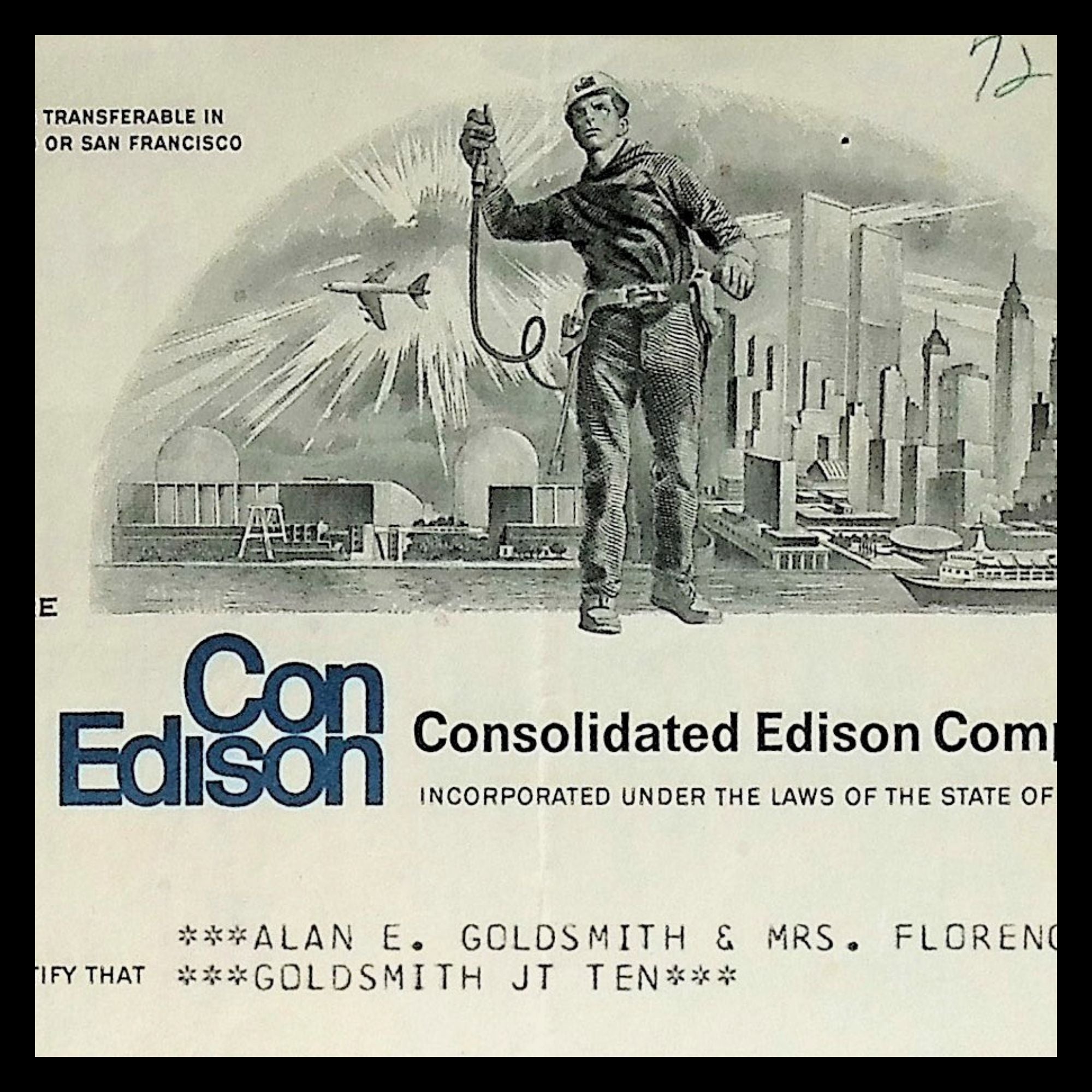

Atari Stock Certificate from 1980s With "Fuji" Logo
American Skiing Company Stock Certificate (feat photo of Skiers)
Marvel Spider-Man New York Stock Exchange 1991 Special Edition Comic
Enron Corp Stock Certificate from 2000s era - Authentic & Original
Atari Stock Certificate from 1980s With "Fuji" Logo
American Skiing Company Stock Certificate (feat photo of Skiers)
Marvel Spider-Man New York Stock Exchange 1991 Special Edition Comic
Enron Corp Stock Certificate from 2000s era - Authentic & Original
Atari Stock Certificate from 1980s With "Fuji" Logo
American Skiing Company Stock Certificate (feat photo of Skiers)
Marvel Spider-Man New York Stock Exchange 1991 Special Edition Comic
Enron Corp Stock Certificate from 2000s era - Authentic & Original
Explore Our Collections
-
American Classics
Showcasing the evolution of American industry through beautifully engraved certificates from iconic...
-

Banks, Insurance & Investment
Discover the rich history of American finance with our collection of authentic...
-

Food & Drink
Collectible Food & Drink Stock & Bond Certificates for Sale - Hershey's, Nabisco,...
-

Transportation
Discover our collection of collectable stock and bond certificates for sale from...
-
World Wars
Discover our unique collection of World War-era bonds and Disney wartime memorabilia,...
