




Boston American League Base-Ball Club Stock Certificate from 1911 signed by John Taylor - SOLD
Boston American League Base-Ball Club Stock Certificate from 1911 signed by John Taylor - SOLD
无法加载取货服务可用情况
这些证书是真的吗?
这些证书是真的吗?
是的,除非说明中另有说明,否则我们出售的所有证书都是真实的股票和债券证书。在某个时间点,此证书代表公司股份或债券收据。这些证书已不再流通并被数字化,证书上的取消孔、印章和文字就是明证。我们提供这些证书作为收藏品,而不是证券。
This is an original stock certificate from the Boston American League Base-Ball Club, dated August 5, 1911. Printed in green, signed by club president John I. Taylor, the certificate features a shield flanked by two allegorical figures with ornate decorative borders.
Certificate number 26, representing 100,000 shares of capital stock, issued to John R. Turner and signed by club president John I. Taylor, with treasurer Hugh A. McBreen countersigning. Cancellation stamps are visible, indicating this certificate was formally redeemed. You will receive the exact piece shown. As with all historical documents, time has given this certificate its own character, a one-of-a-kind from 1911 showing age-appropriate toning and minor edge wear.
If you know Red Sox history, you know.
Taylor is the man who named the Boston Red Sox. In December 1907, when Boston's National League club quietly dropped red stockings from their new uniforms, Taylor moved instantly. He claimed the color, personally redesigned the uniforms, and renamed his franchise. The Sporting News captured the moment plainly: "It was consequently up to John I. Taylor to re-christen his bunch, and he has done so effectively." There was no committee, no fan vote, no marketing agency. One man made the call. Every pennant race, every World Series, every sold-out night at Fenway since 1908 echoes that single decision.
History has been complicated about Taylor as an owner. He was the youngest son of Charles H. Taylor, publisher of the Boston Globe, and his father bought the team largely to give him something to do. He clashed with league president Ban Johnson, made questionable trades, and was widely considered more of a Boston socialite than a serious baseball executive. Frederick Lieb, in his history of the franchise, called Taylor "the worst enemy of his own teams."
Despite everything, what Taylor actually built is impossible to dismiss. He signed Tris Speaker, Harry Hooper, and Duffy Lewis, arguably the greatest outfield trio of the dead-ball era, two of whom went to the Hall of Fame. He recruited the young core that would power the dynasty just ahead. He chose the Fenway neighborhood, oversaw the land acquisition, announced the new ballpark on June 24, 1911, just six weeks before this certificate was signed, and broke ground that September. When he sold half the club that same month to fund construction, he structured the deal so his family retained ownership of the land and the park itself, collecting $30,000 a year in rent from every subsequent ownership group through 1919. Even as he stepped back, his fingerprints stayed on everything.
Fenway Park opened April 20, 1912. The Red Sox won the World Series that fall. Then again in 1915, 1916, and 1918. Four championships in seven years, on the foundation Taylor assembled and in the stadium his family built. When a 19-year-old pitcher named Babe Ruth arrived from Baltimore in July 1914, he stepped into an organization and a ballpark that John I. Taylor had created. The dynasty that would later make Ruth's sale to the Yankees one of sports history's most infamous transactions — and curse Boston fans for 86 years, was Taylor's dynasty first.
This certificate, signed in August 1911, is from the last weeks of his presidency. Ground had just been broken on the name he had chosen. The park he had imagined was rising from the Fenway dirt. He would be gone from the top office within weeks. This is one of the final documents he signed as the man in charge of it all.
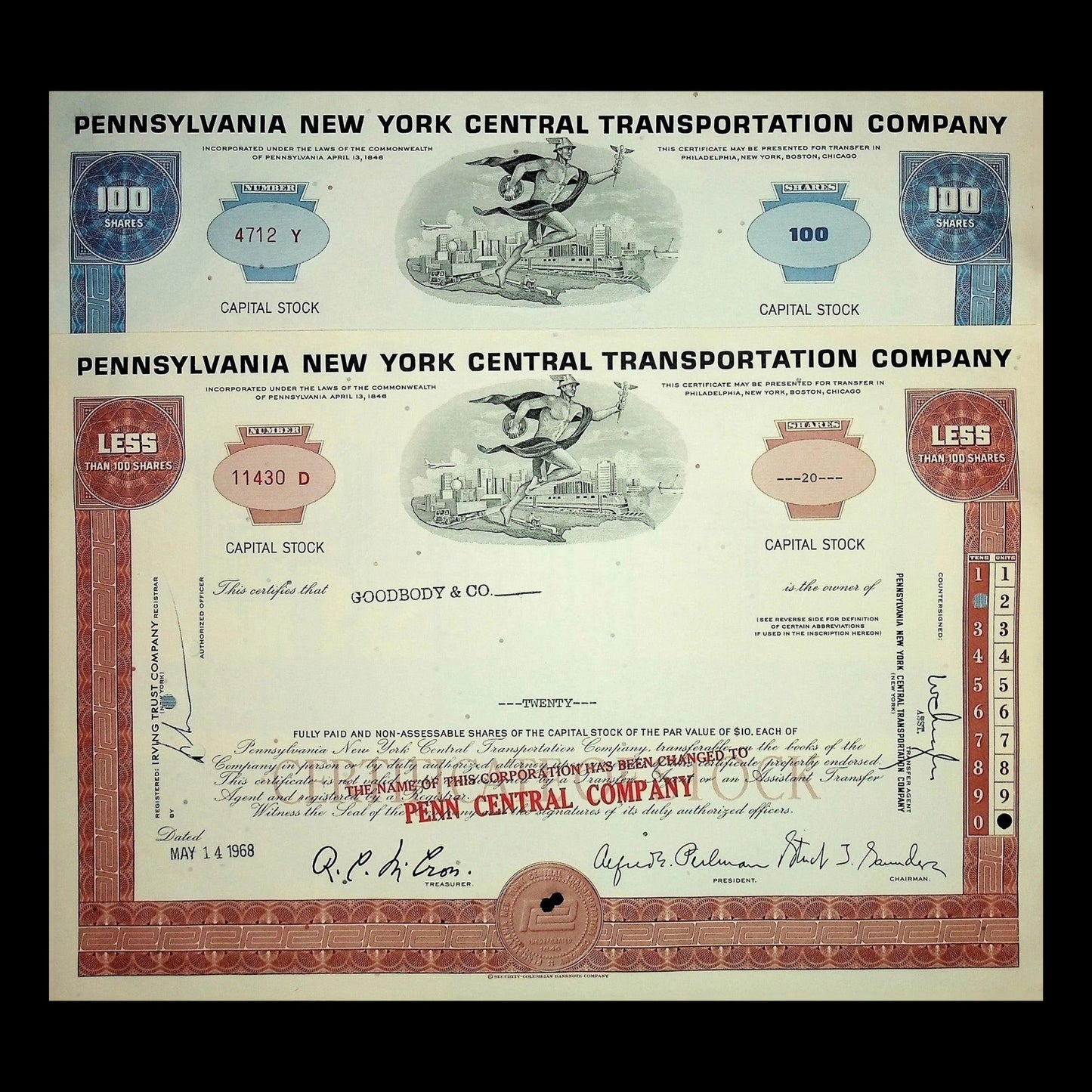
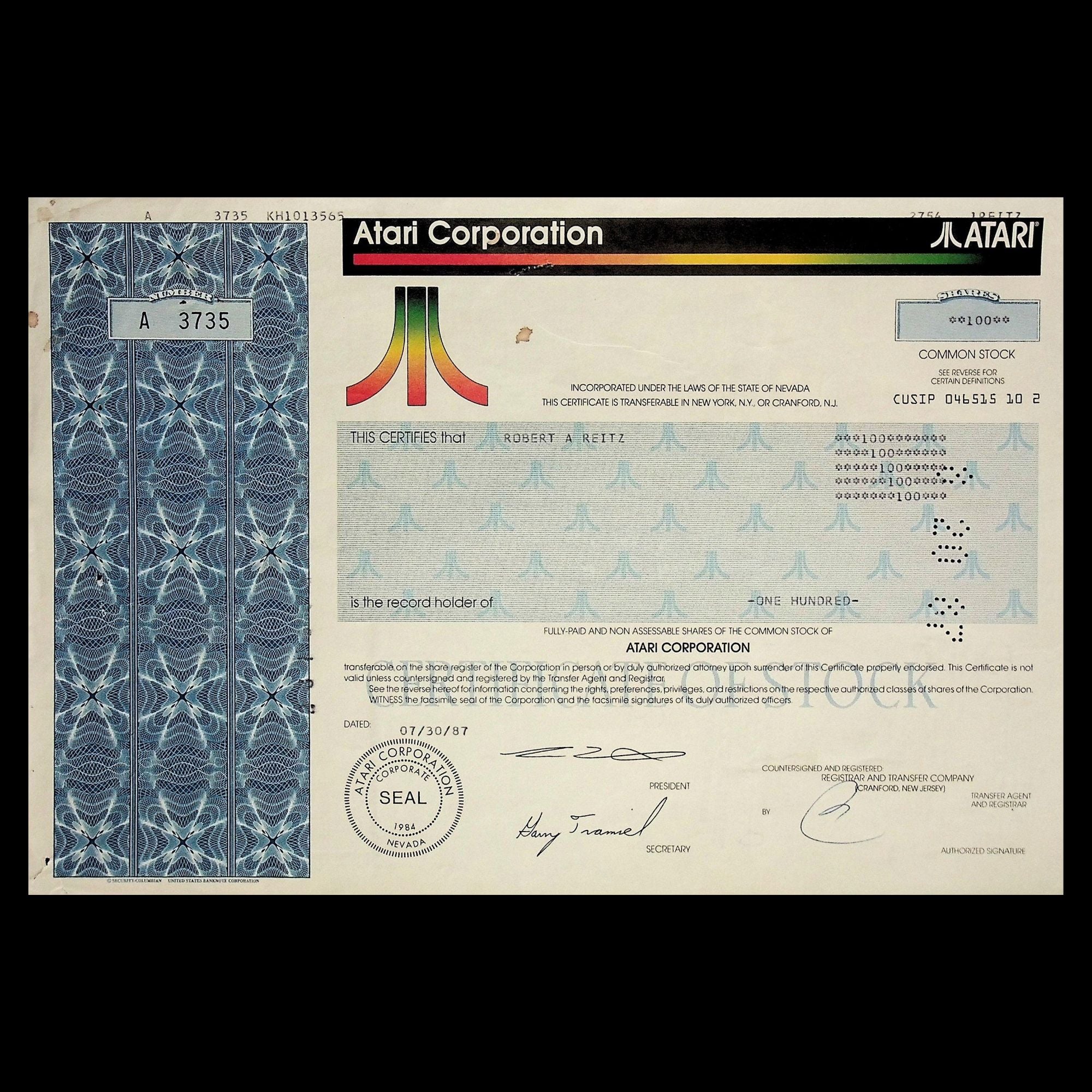
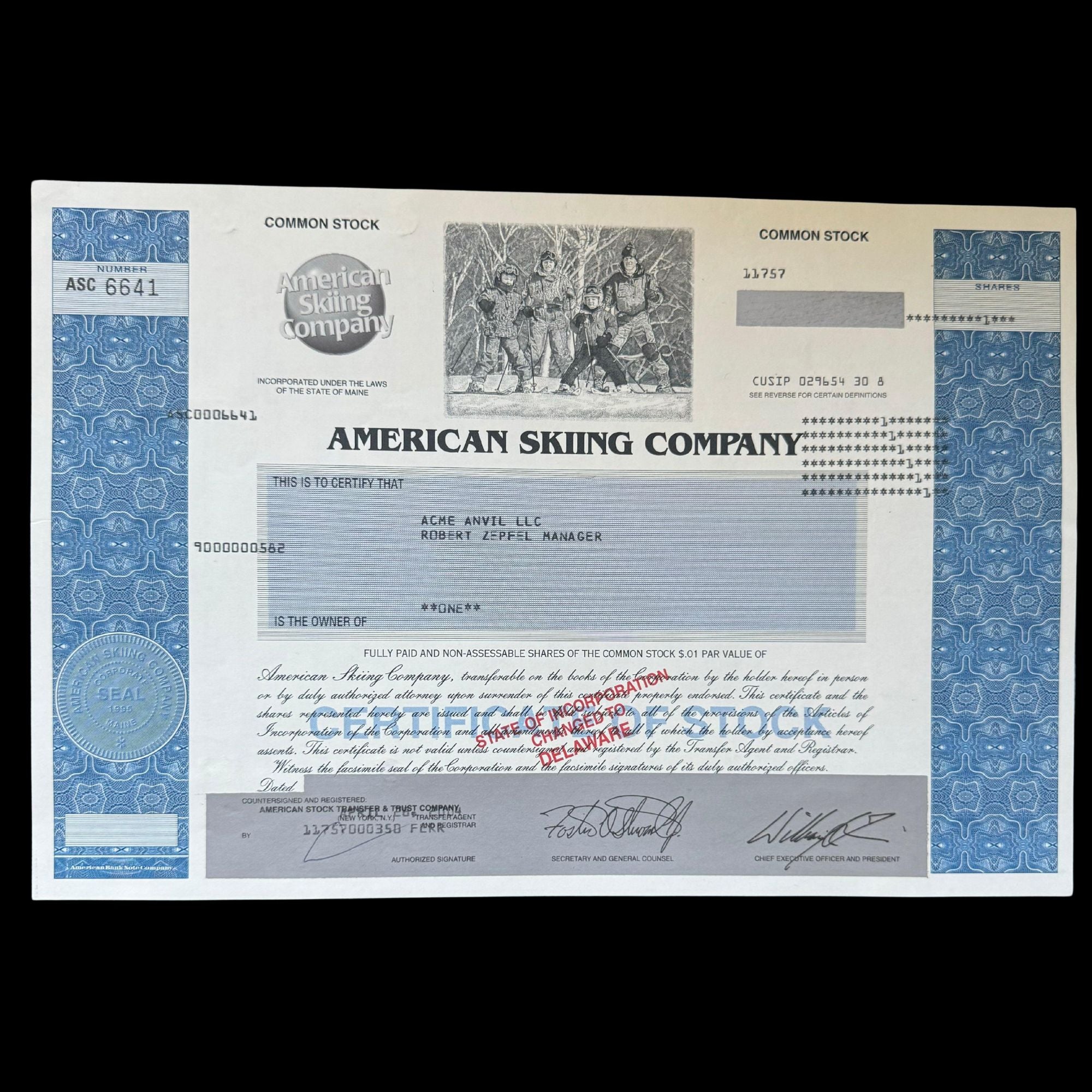
Stock certificates from professional baseball's founding era are among the rarest, significant to sports memorabilia collectors and scripophily enthusiasts.
Offered as a collectible.
材料和护理
材料和护理
以下是一些可帮助您在未来几十年内保存证书的快速提示。
纸张质量:股票证书印在可追溯至 19 世纪中期的各种证书纸上。大多数这些老式收藏证书都有使用和磨损的痕迹、取消孔、铅笔/钢笔字迹、邮票、订书钉、粘合剂、轻微撕裂、缺少优惠券和其他特征。
处理:务必用干净、干燥的手或使用棉手套来处理证书,以避免将皮肤上的油脂和污垢转移到纸张上。
存储:将证书存放在阴凉干燥的地方,避免阳光直射,否则会导致证书褪色。使用无酸文件夹或档案级塑料套保护证书免受潮湿、灰尘和物理损坏。
装裱:如果展示证书,请使用带有防紫外线玻璃的相框,以防止光线损坏。确保使用无酸材料装裱证书,以避免任何可能随着时间的推移使纸张劣化的化学反应。
避免暴露:证书应远离阳光直射、极端温度和湿度,否则会导致纸张弯曲或变质。避免暴露于烟雾或化学品等污染物中,否则会导致褪色。


On orders over $50
Or your money back
Trust us to build their collection
与所有主要供应商进行安全支付
Trusted By Thousands of Collectors
Let customers speak for us
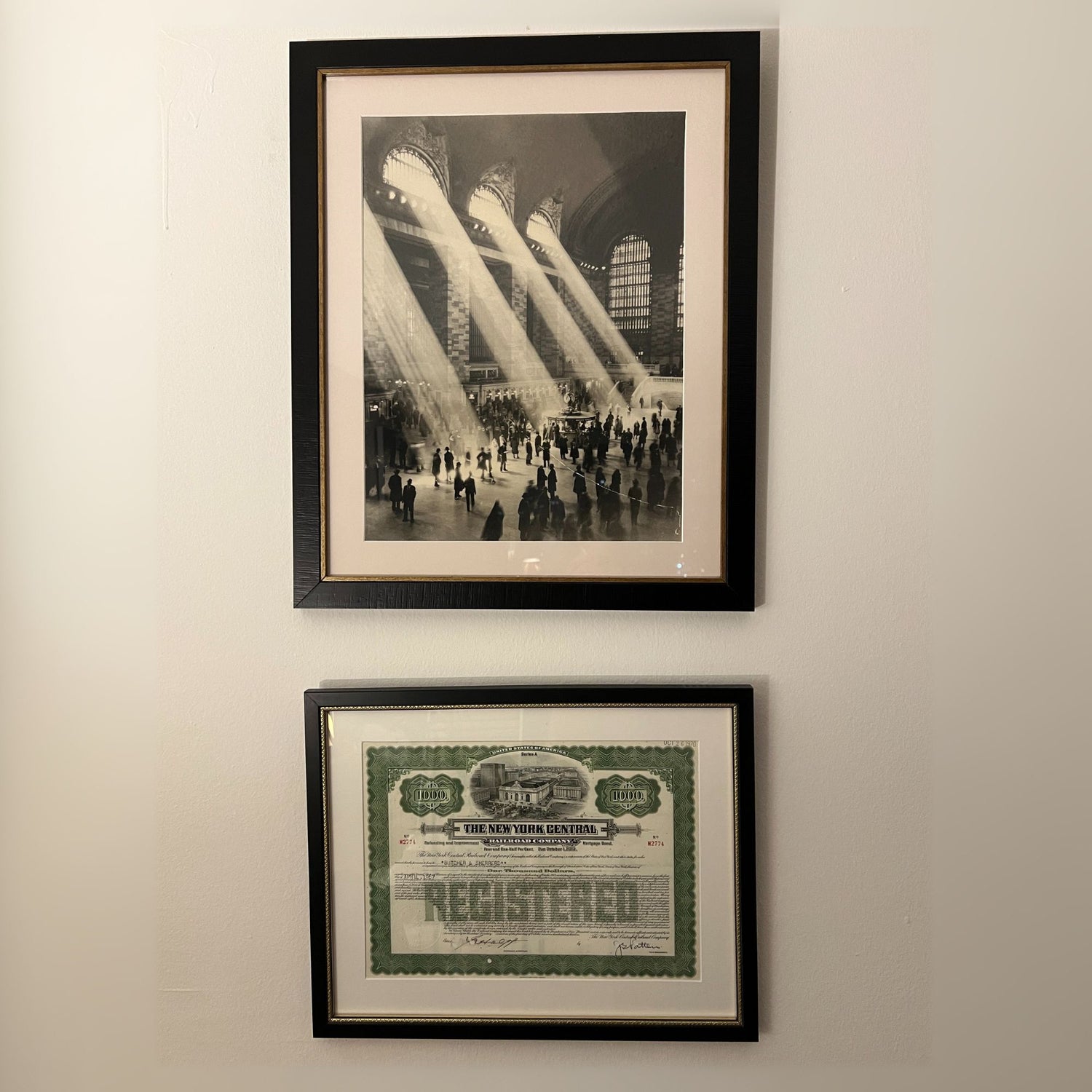
Art with a Backstory
Every Certificate Tells A Story
Turn rare stock and bond certificates into timeless décor. Piece showcases bold colors, engravings, and historic signatures perfect for an office, library, bar, common area, museum & more.
Orders Ship Daily
Direct From Wall Street's Archives
Orders are shipped flat with care, tracked & insured with USPS, in a strong, rigid, protected envelope. Daily fulfillment Monday - Thursday from NYC.