







American League Baseball Company of St. Louis Stock Certificate 1936 Donald Barnes signed now Baltimore Orioles
American League Baseball Company of St. Louis Stock Certificate 1936 Donald Barnes signed now Baltimore Orioles
Couldn't load pickup availability
Are the certificates authentic?
Are the certificates authentic?
Yes, all of the certificates we sell are authentic stock and bond certificates unless otherwise mentioned in the description. At one point in time, this certificate represented a share of of the company, or a bond receipt. These certificates have been removed from circulation and digitalized, as seen by cancellation holes, stamps and writing on the certificate. We offer these certificates as a collectable item, not a security.
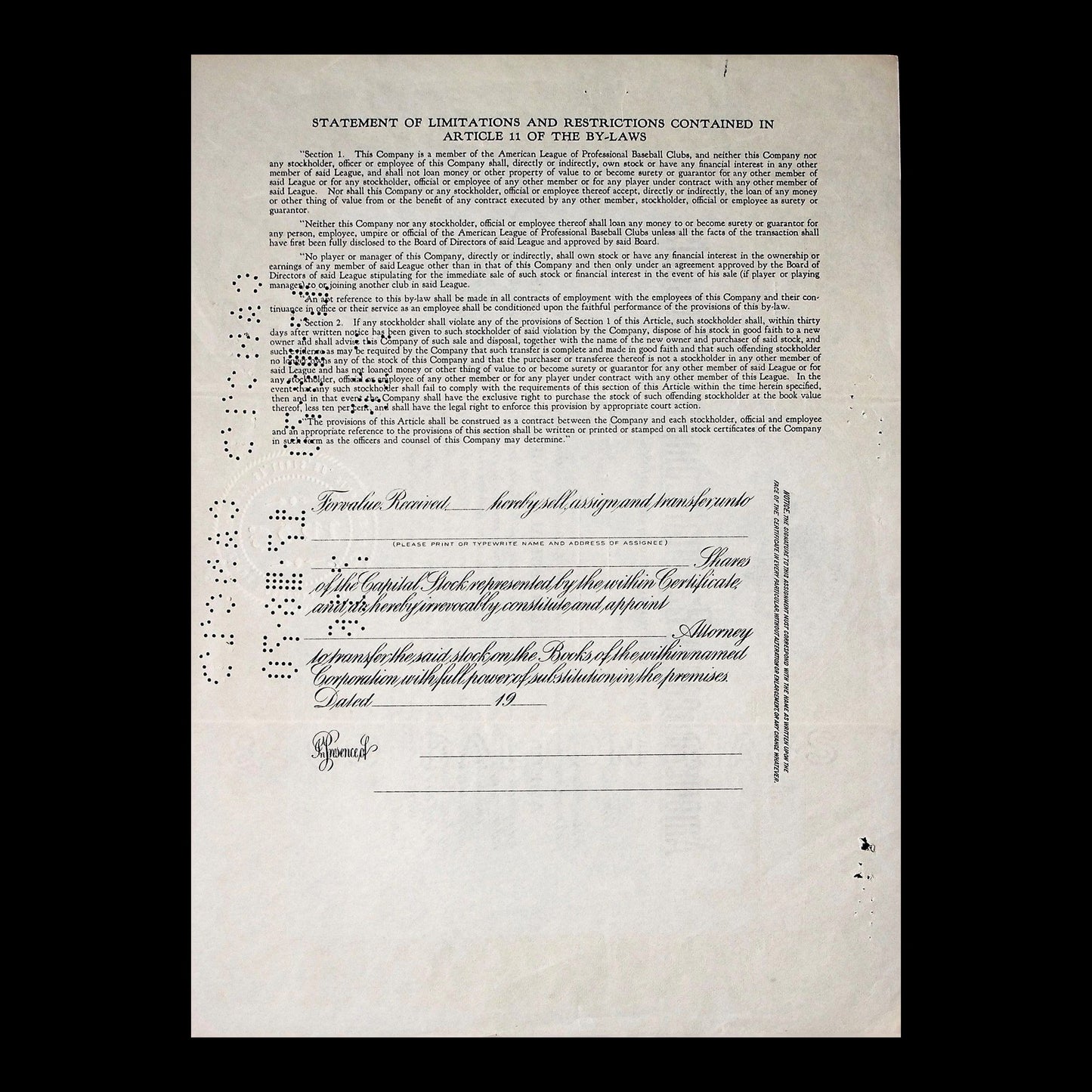
This is an original stock certificate from the American League Baseball Company of St. Louis, issued Christmas Eve, December 24th, 1936 and signed by the company's President, Donald Lee Barnes, and Secretary, George Foster.
Printed in brown, the certificate features a vignette of a globe bearing the words "American League." The punch-hole cancellations across the face indicating the certificate was formally redeemed or retired. Serial number 505 issued for five shares.
What makes this piece exceptional is its timing. Donald Lee Barnes signed this certificate in the same year he led a syndicate of St. Louis sportsmen to purchase the St Louis Browns team for $325,000 in November 1936.
This was of the earliest corporate documents to bear his signature as president of the club. Barnes came to baseball through finance, as a principal of American Investment Company and Public Loan Corporation, and he ran the Browns the same way he ran his businesses: lean, pragmatic, and always fighting for survival.
The Browns operated in the long shadow of the Cardinals, sharing Sportsman's Park while perpetually losing the battle for St. Louis fans and dollars. As general manager Bill DeWitt would later recall, the Browns ran so close to the financial edge that the board of directors once refused to inject emergency cash, calling it "money down the rat hole." Barnes pushed on anyway. In 1941, convinced the franchise could never sustain itself in St. Louis, he negotiated a groundbreaking deal to relocate the Browns to Los Angeles — at the time already the fifth-largest city in the country and larger than every major league market except New York, Chicago, Philadelphia, and Detroit. The American League had gone as far as drawing up transcontinental schedules and approving the move in principle. Final approval was set for a league meeting on December 8, 1941. The Japanese attack on Pearl Harbor the day before ended the conversation entirely.
Barnes persisted, and 1944 delivered the franchise's greatest moment: the Browns won their only American League pennant, outdrawing the Cardinals at Sportsman's Park for the only time between 1926 and the team's final St. Louis season. It was a singular triumph in an otherwise difficult tenure. Barnes sold the club to Richard Muckerman on August 11, 1945, stepping away from a franchise he had steered through Depression-era finances, a world war, a failed cross-country relocation, and one improbable championship run.
The Browns played their final St. Louis season in 1953 and relocated to Baltimore for 1954, where they became the Orioles, a franchise still playing today.
Corporate documents from the St. Louis Browns are among the rarest artifacts in American baseball history. The team's financial struggles meant limited issuance, and few certificates bearing Barnes' signature as president have surfaced on the collector market. This piece represents the business side of the game during one of baseball's most turbulent and fascinating eras. Offered as a collectible.
Source Society for American Baseball Research , SABR.org
Materials and care
Materials and care
Here are some quick tips to preserve your certificate for decades to come.
Paper quality: Stock certificates were printed on a variety of certificate paper dating back to the mid 1800s. Most of these vintage collectable certificates have signs of used & wear , cancellation holes, pencil / pen writing, stamps, staples, adhesives, slight rips, missing coupons and other features.
Handling: Always handle the certificate with clean, dry hands or use cotton gloves to avoid transferring oils and dirt from your skin onto the paper.
Storage: Store the certificate in a cool, dry place away from direct sunlight, which can cause fading. Use acid-free folders or archival-quality plastic sleeves to protect it from moisture, dust, and physical damage.
Framing: If displaying the certificate, use a frame with UV-protective glass to prevent light damage. Ensure the certificate is mounted using acid-free materials to avoid any chemical reactions that could degrade the paper over time.
Avoid Exposure: Keep the certificate away from direct sun, extreme temperatures and humidity, which can cause the paper to warp or deteriorate. Avoid exposing it to pollutants, such as smoke or chemicals, which can cause discoloration.


On orders over $50
Or your money back
Trust us to build their collection
Secure payment with all major providers
Trusted By Thousands of Collectors
Let customers speak for us
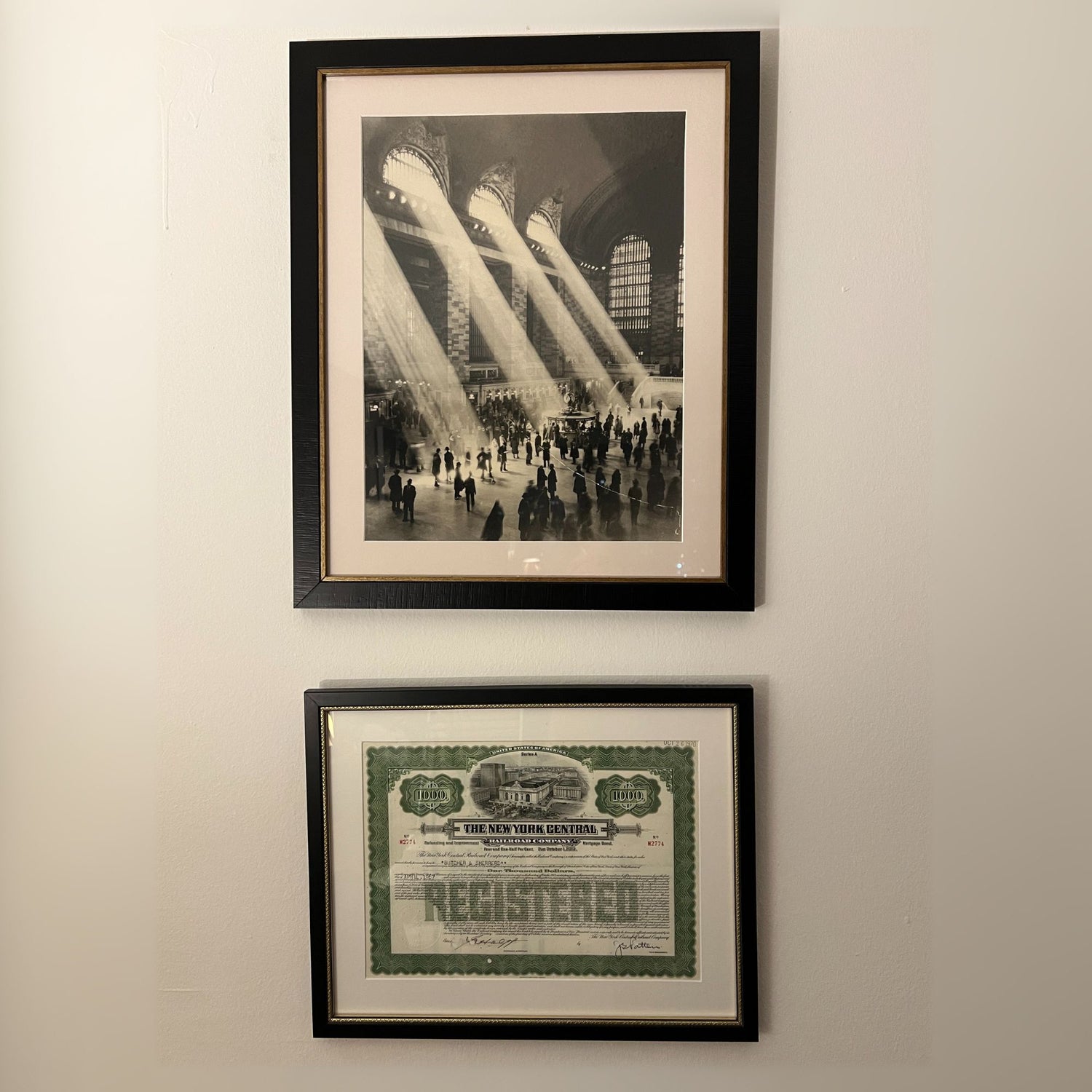
Art with a Backstory
Every Certificate Tells A Story
Turn rare stock and bond certificates into timeless décor. Piece showcases bold colors, engravings, and historic signatures perfect for an office, library, bar, common area, museum & more.
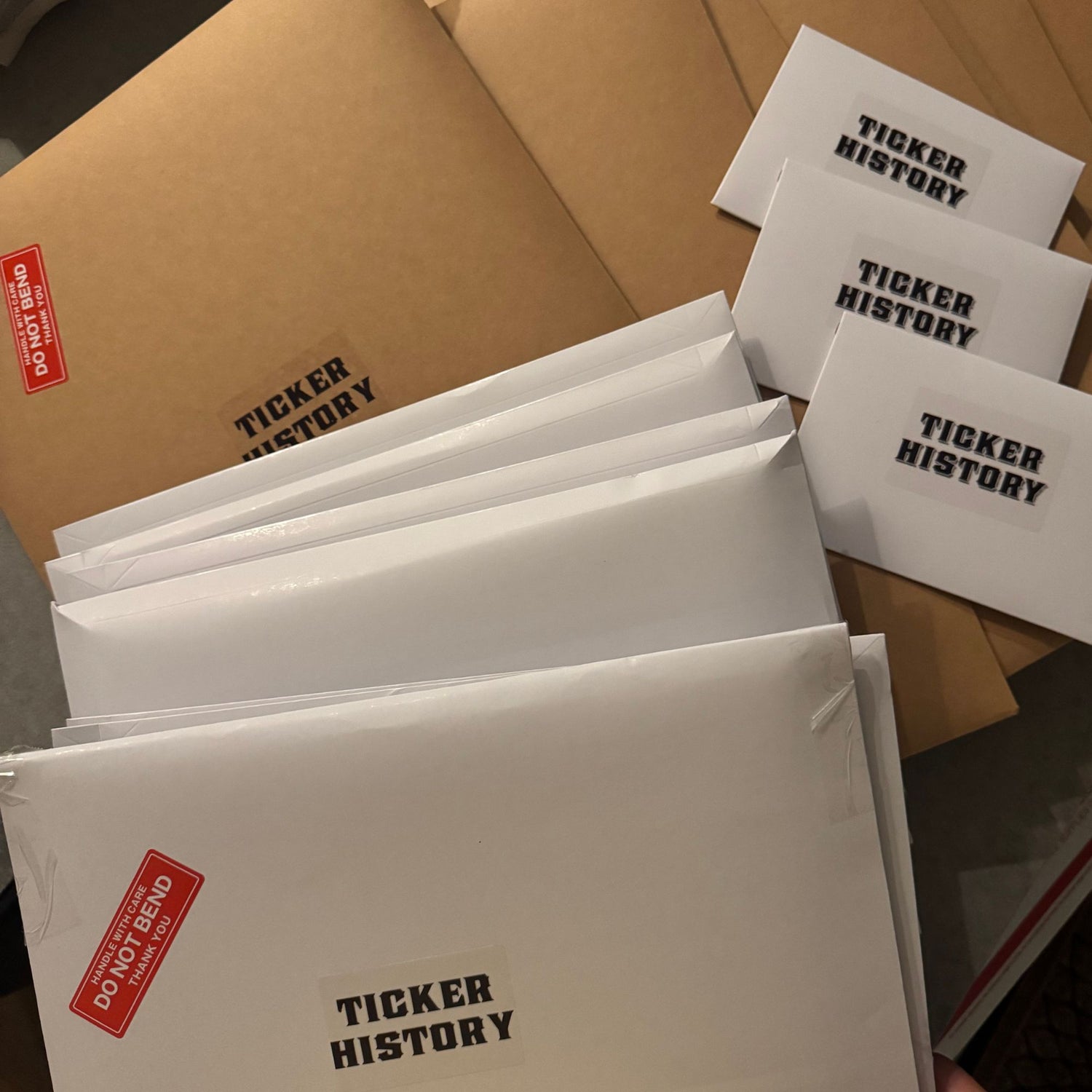
Orders Ship Daily
Direct From Wall Street's Archives
Orders are shipped flat with care, tracked & insured with USPS, in a strong, rigid, protected envelope. Daily fulfillment Monday - Thursday from NYC.
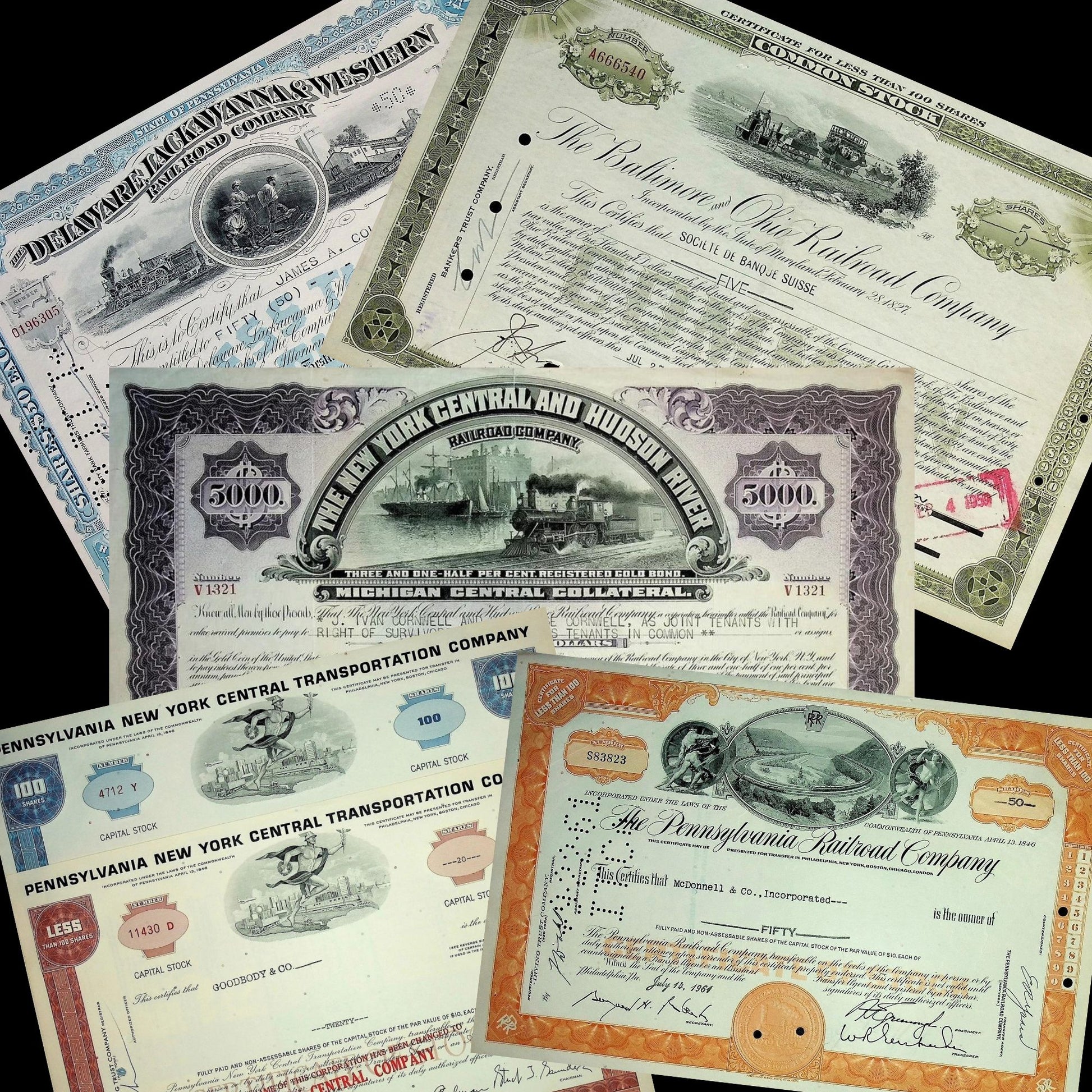
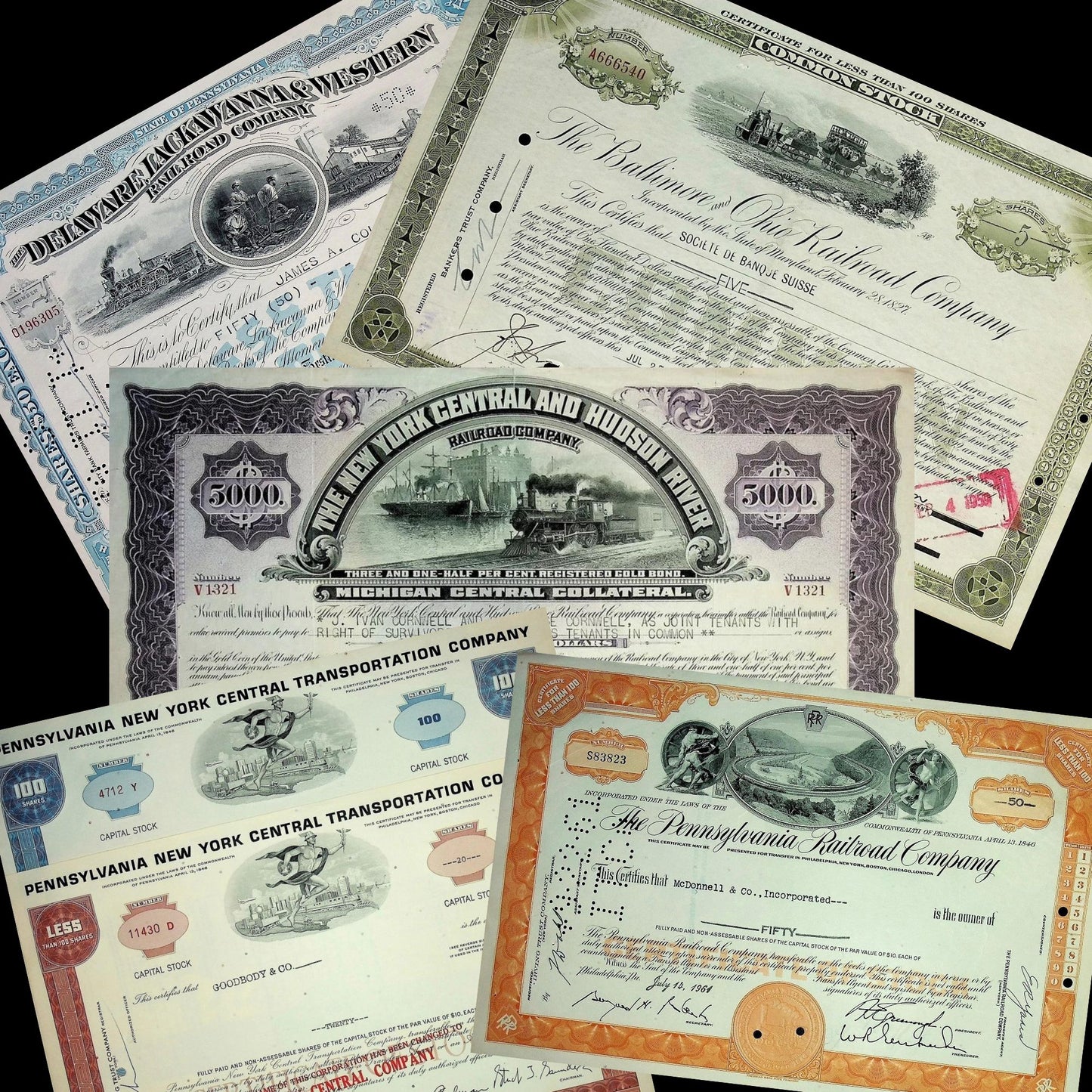
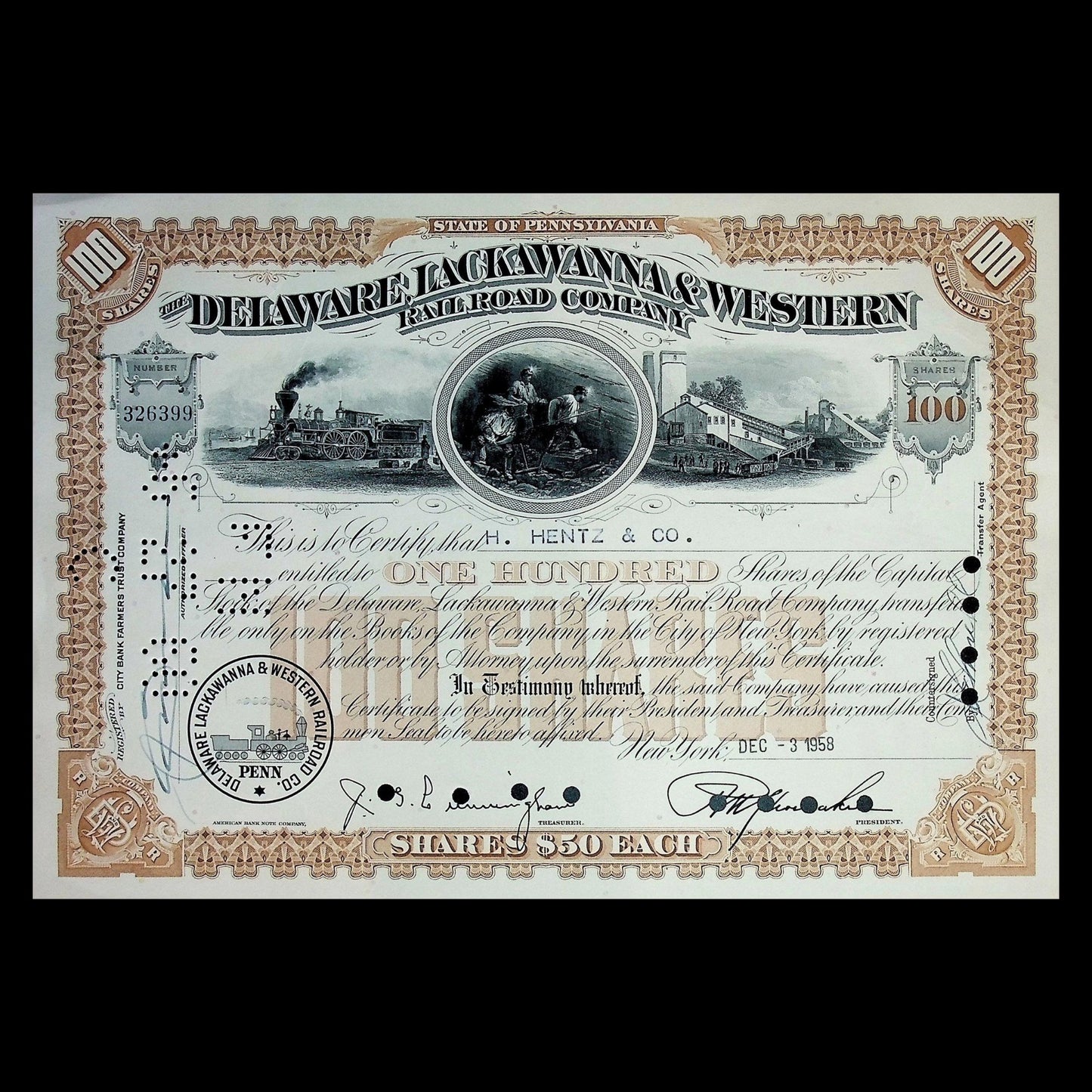
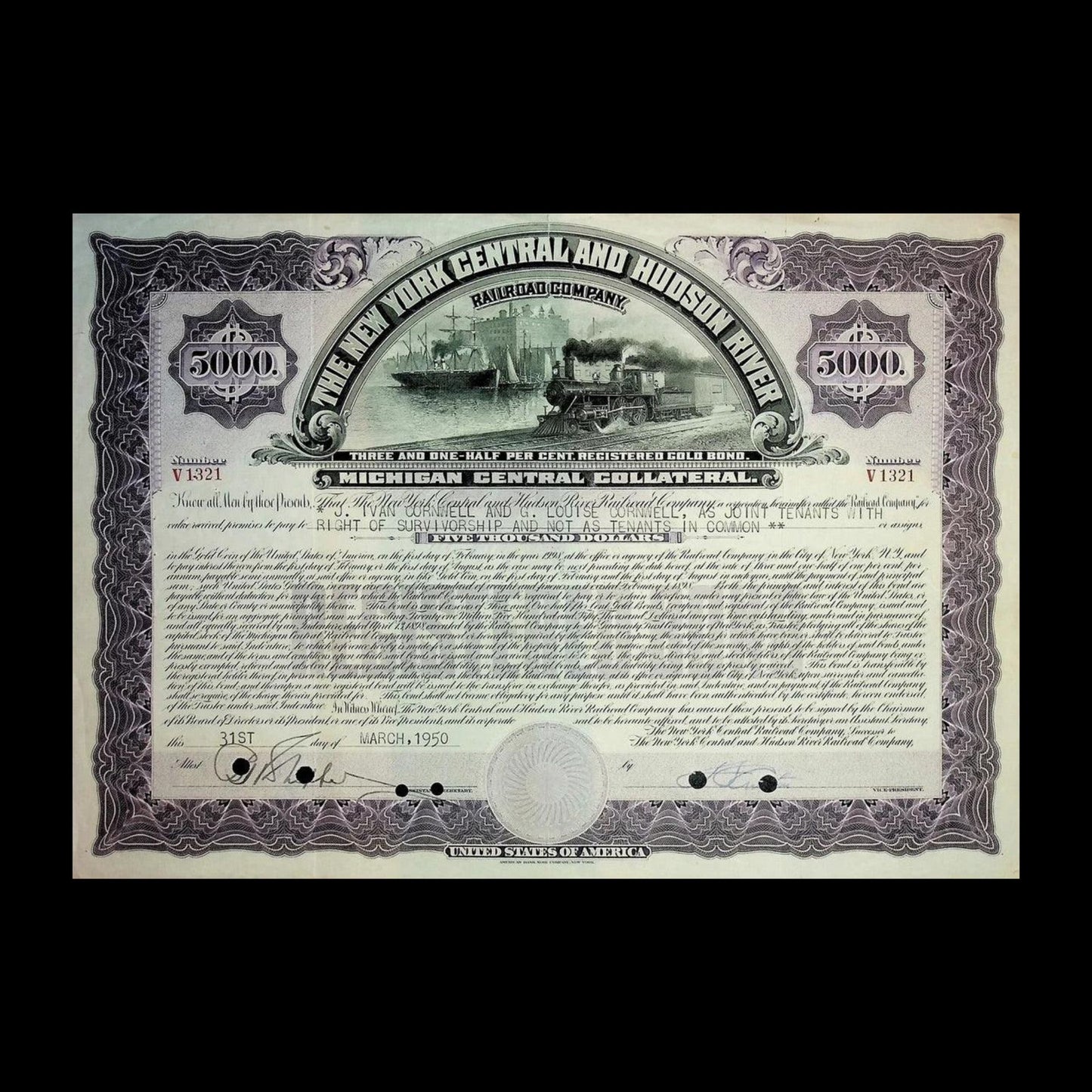
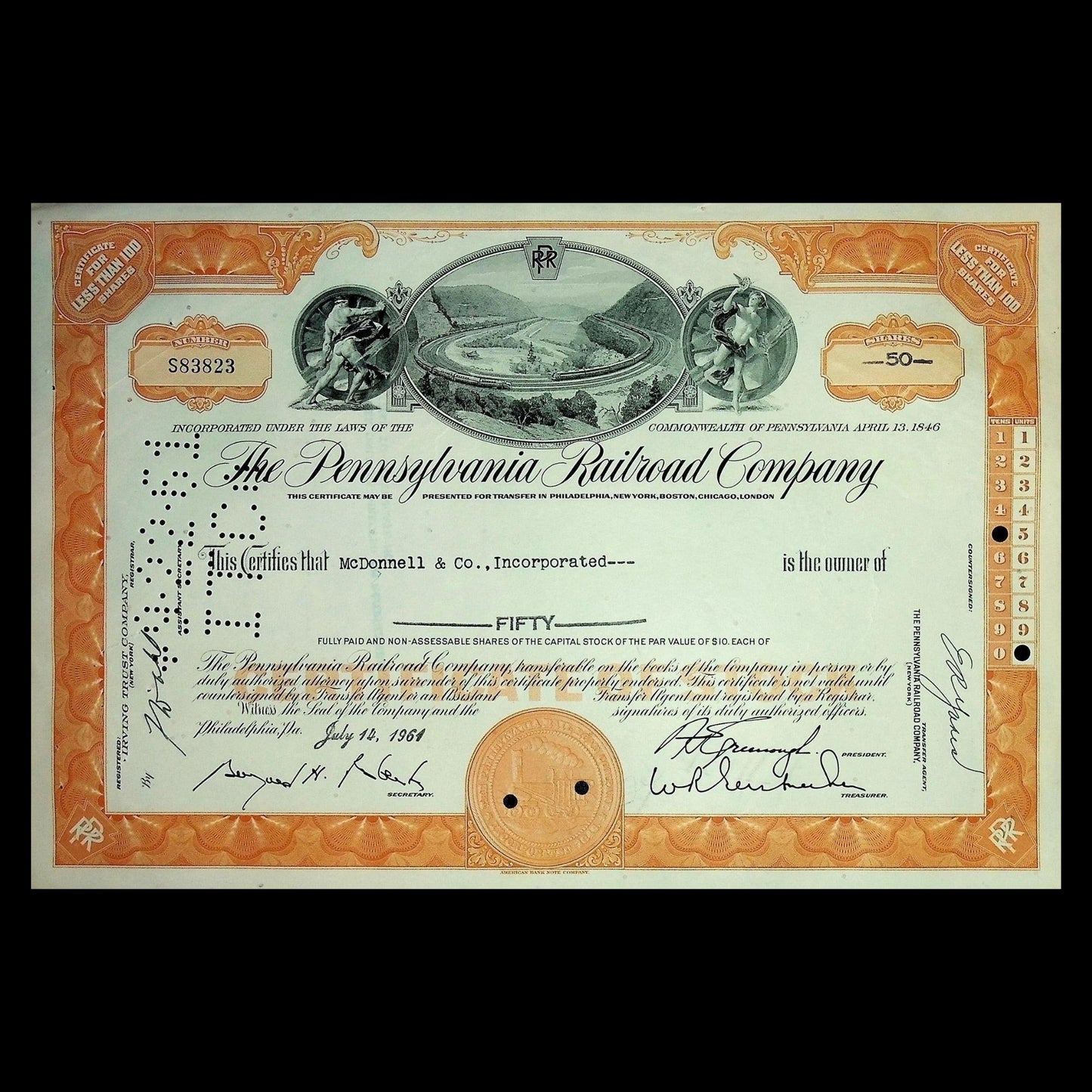
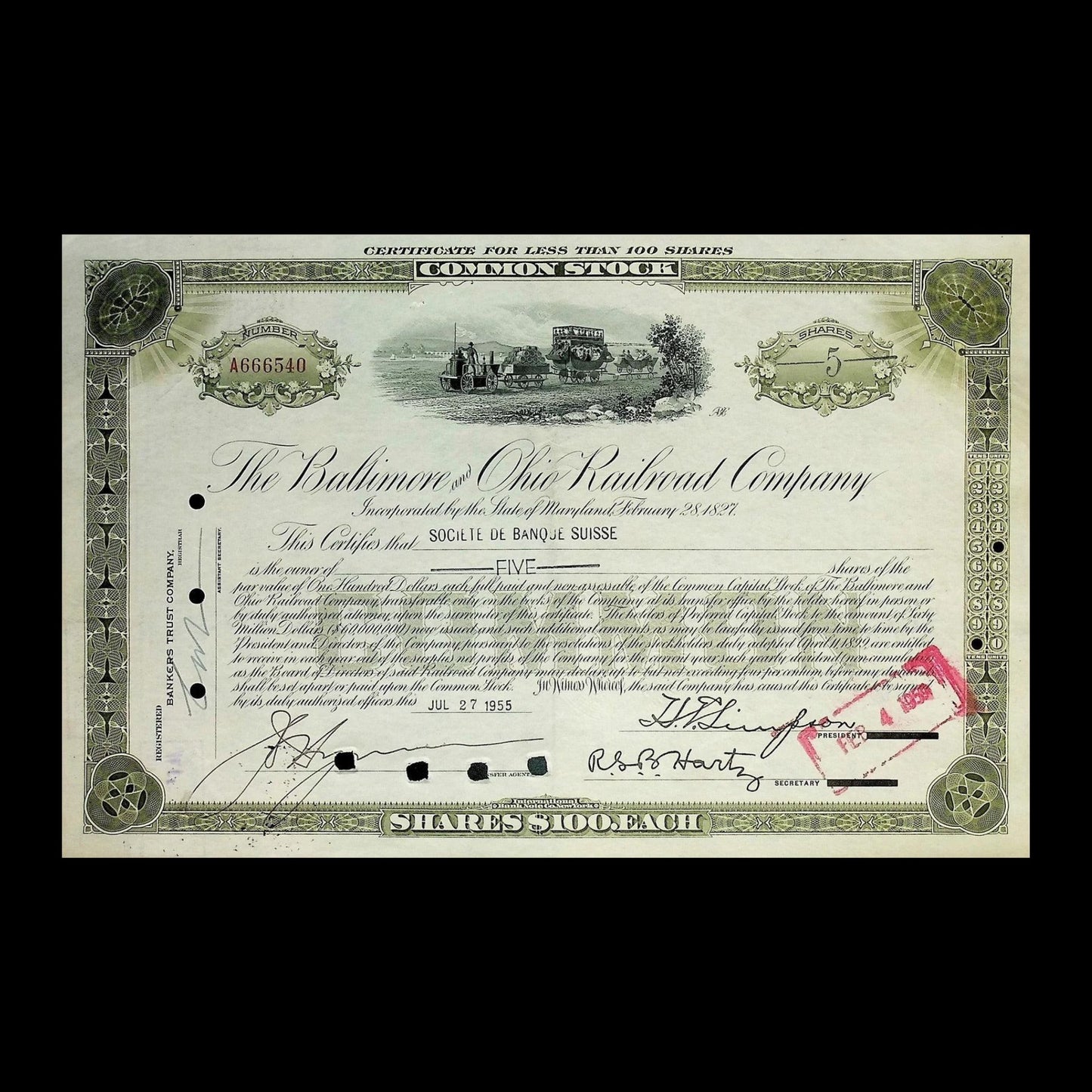
Railroad Stock & Bond Certificate Collectable Bundle Five Pack - 4x Stocks & 1x Bond
Discover 1,000s of Wall Street Collectables
Atari Stock Certificate from 1980s With "Fuji" Logo
American Skiing Company Stock Certificate (feat photo of Skiers)
Marvel Spider-Man New York Stock Exchange 1991 Special Edition Comic

Enron Corp Stock Certificate from 2000s era - Authentic & Original
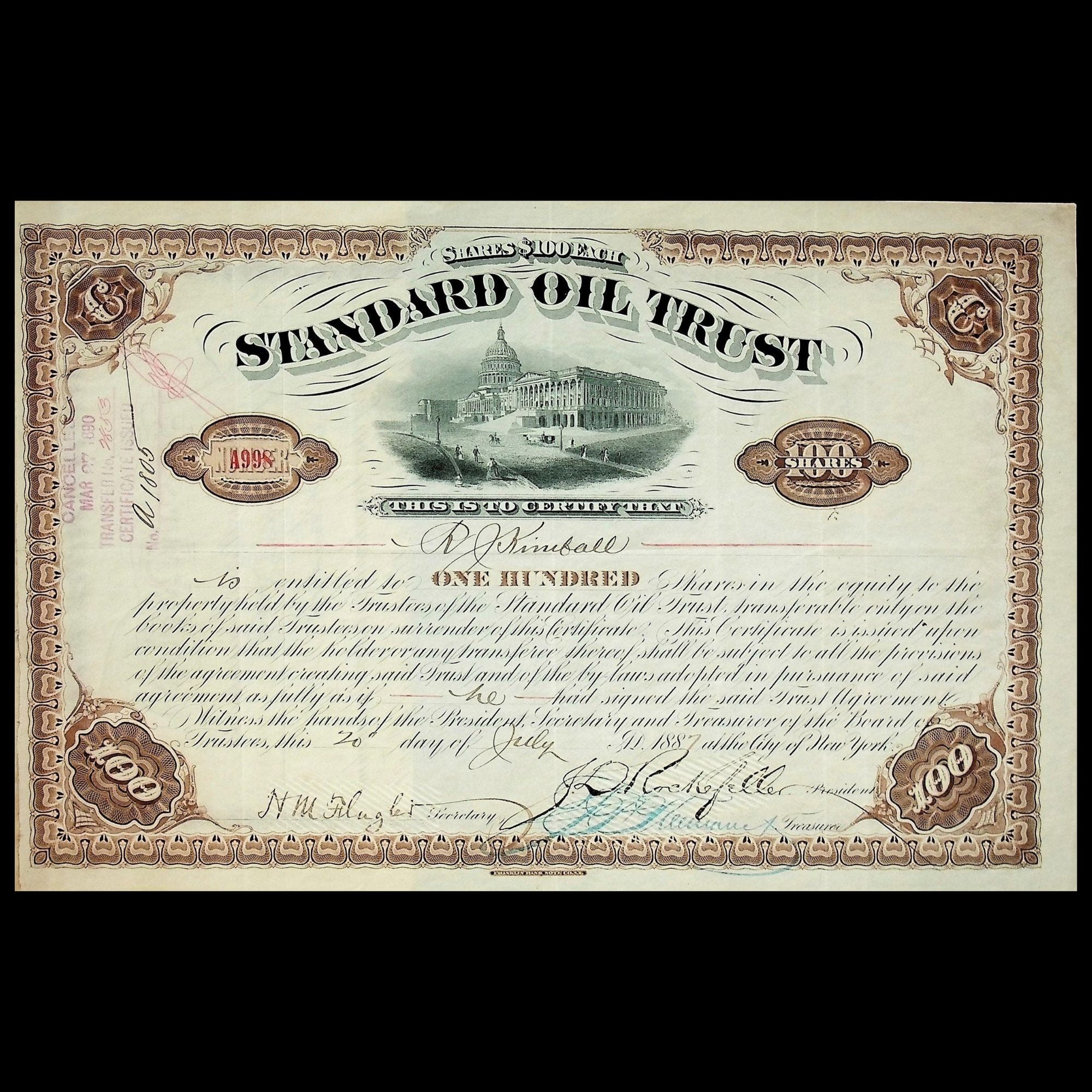
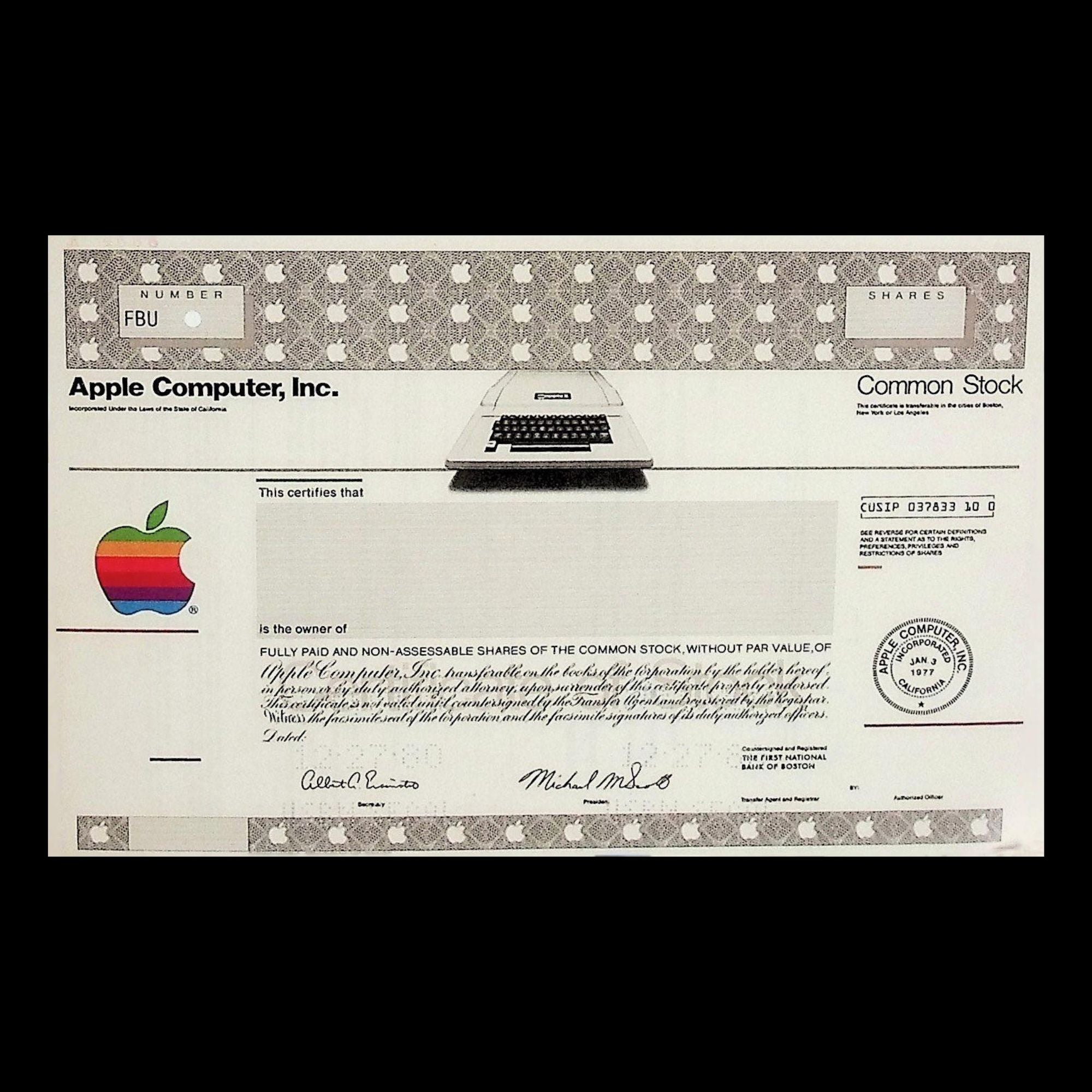
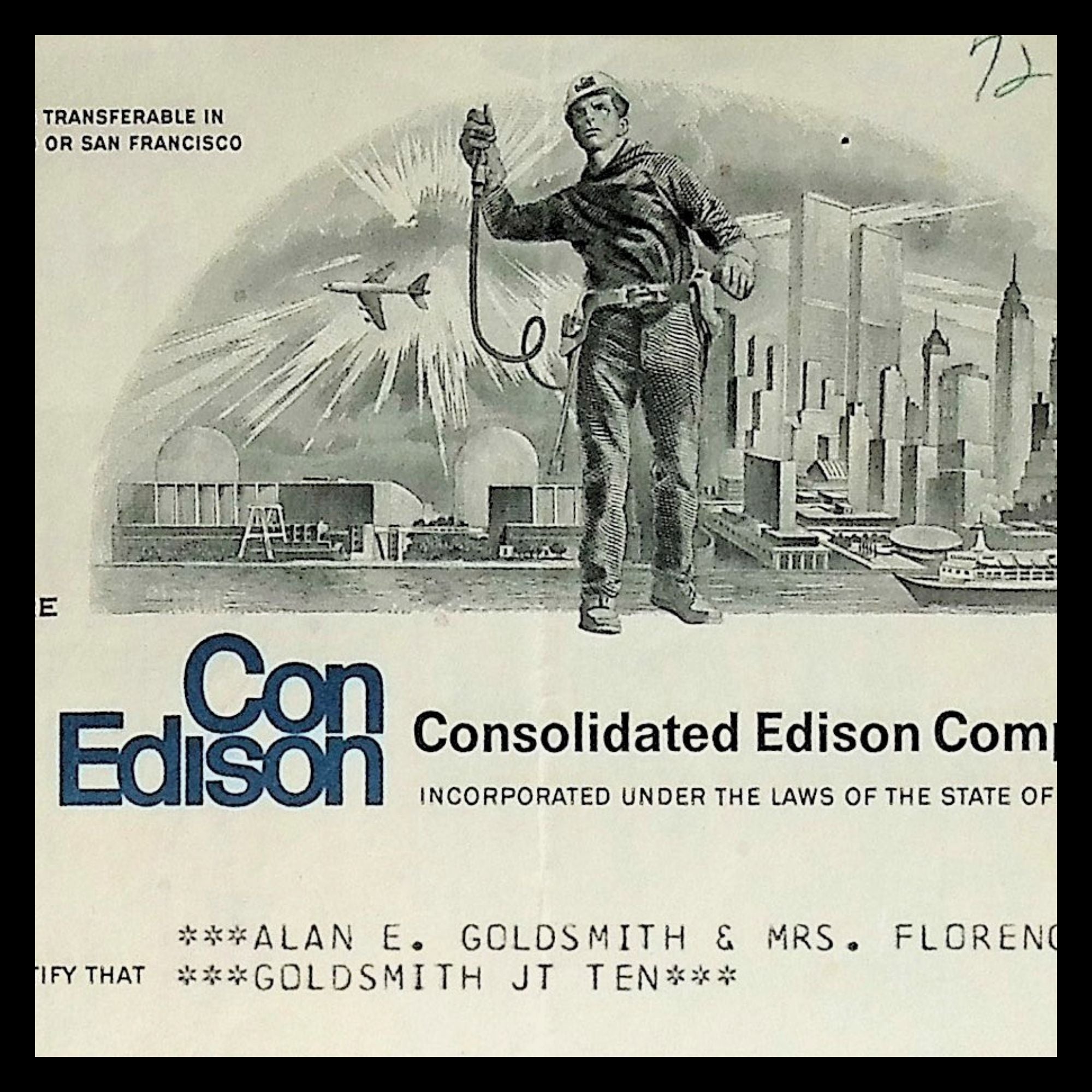

Atari Stock Certificate from 1980s With "Fuji" Logo
American Skiing Company Stock Certificate (feat photo of Skiers)
Marvel Spider-Man New York Stock Exchange 1991 Special Edition Comic
Enron Corp Stock Certificate from 2000s era - Authentic & Original
Atari Stock Certificate from 1980s With "Fuji" Logo
American Skiing Company Stock Certificate (feat photo of Skiers)
Marvel Spider-Man New York Stock Exchange 1991 Special Edition Comic
Enron Corp Stock Certificate from 2000s era - Authentic & Original
Atari Stock Certificate from 1980s With "Fuji" Logo
American Skiing Company Stock Certificate (feat photo of Skiers)
Marvel Spider-Man New York Stock Exchange 1991 Special Edition Comic
Enron Corp Stock Certificate from 2000s era - Authentic & Original
Explore Our Collections
-
American Classics
Showcasing the evolution of American industry through beautifully engraved certificates from iconic...
-
Banks, Insurance & Investment
Discover the rich history of American finance with our collection of authentic...
-

Food & Drink
Collectible Food & Drink Stock & Bond Certificates for Sale - Hershey's, Nabisco,...
-
Transportation
Discover our collection of collectable stock and bond certificates for sale from...
-
World Wars
Discover our unique collection of World War-era bonds and Disney wartime memorabilia,...
