







Boston American League Base-Ball Club Stock Certificate from 1911 signed by John Taylor - SOLD
Boston American League Base-Ball Club Stock Certificate from 1911 signed by John Taylor - SOLD
Couldn't load pickup availability
Are the certificates authentic?
Are the certificates authentic?
Yes, all of the certificates we sell are authentic stock and bond certificates unless otherwise mentioned in the description. At one point in time, this certificate represented a share of of the company, or a bond receipt. These certificates have been removed from circulation and digitalized, as seen by cancellation holes, stamps and writing on the certificate. We offer these certificates as a collectable item, not a security.
This is an original stock certificate from the Boston American League Base-Ball Club, dated August 5, 1911. Printed in green, signed by club president John I. Taylor, the certificate features a shield flanked by two allegorical figures with ornate decorative borders.
Certificate number 26, representing 100,000 shares of capital stock, issued to John R. Turner and signed by club president John I. Taylor, with treasurer Hugh A. McBreen countersigning. Cancellation stamps are visible, indicating this certificate was formally redeemed. You will receive the exact piece shown. As with all historical documents, time has given this certificate its own character, a one-of-a-kind from 1911 showing age-appropriate toning and minor edge wear.
If you know Red Sox history, you know.
Taylor is the man who named the Boston Red Sox. In December 1907, when Boston's National League club quietly dropped red stockings from their new uniforms, Taylor moved instantly. He claimed the color, personally redesigned the uniforms, and renamed his franchise. The Sporting News captured the moment plainly: "It was consequently up to John I. Taylor to re-christen his bunch, and he has done so effectively." There was no committee, no fan vote, no marketing agency. One man made the call. Every pennant race, every World Series, every sold-out night at Fenway since 1908 echoes that single decision.
History has been complicated about Taylor as an owner. He was the youngest son of Charles H. Taylor, publisher of the Boston Globe, and his father bought the team largely to give him something to do. He clashed with league president Ban Johnson, made questionable trades, and was widely considered more of a Boston socialite than a serious baseball executive. Frederick Lieb, in his history of the franchise, called Taylor "the worst enemy of his own teams."
Despite everything, what Taylor actually built is impossible to dismiss. He signed Tris Speaker, Harry Hooper, and Duffy Lewis, arguably the greatest outfield trio of the dead-ball era, two of whom went to the Hall of Fame. He recruited the young core that would power the dynasty just ahead. He chose the Fenway neighborhood, oversaw the land acquisition, announced the new ballpark on June 24, 1911, just six weeks before this certificate was signed, and broke ground that September. When he sold half the club that same month to fund construction, he structured the deal so his family retained ownership of the land and the park itself, collecting $30,000 a year in rent from every subsequent ownership group through 1919. Even as he stepped back, his fingerprints stayed on everything.
Fenway Park opened April 20, 1912. The Red Sox won the World Series that fall. Then again in 1915, 1916, and 1918. Four championships in seven years, on the foundation Taylor assembled and in the stadium his family built. When a 19-year-old pitcher named Babe Ruth arrived from Baltimore in July 1914, he stepped into an organization and a ballpark that John I. Taylor had created. The dynasty that would later make Ruth's sale to the Yankees one of sports history's most infamous transactions — and curse Boston fans for 86 years, was Taylor's dynasty first.
This certificate, signed in August 1911, is from the last weeks of his presidency. Ground had just been broken on the name he had chosen. The park he had imagined was rising from the Fenway dirt. He would be gone from the top office within weeks. This is one of the final documents he signed as the man in charge of it all.
Stock certificates from professional baseball's founding era are among the rarest, significant to sports memorabilia collectors and scripophily enthusiasts.
Offered as a collectible.
Materials and care
Materials and care
Here are some quick tips to preserve your certificate for decades to come.
Paper quality: Stock certificates were printed on a variety of certificate paper dating back to the mid 1800s. Most of these vintage collectable certificates have signs of used & wear , cancellation holes, pencil / pen writing, stamps, staples, adhesives, slight rips, missing coupons and other features.
Handling: Always handle the certificate with clean, dry hands or use cotton gloves to avoid transferring oils and dirt from your skin onto the paper.
Storage: Store the certificate in a cool, dry place away from direct sunlight, which can cause fading. Use acid-free folders or archival-quality plastic sleeves to protect it from moisture, dust, and physical damage.
Framing: If displaying the certificate, use a frame with UV-protective glass to prevent light damage. Ensure the certificate is mounted using acid-free materials to avoid any chemical reactions that could degrade the paper over time.
Avoid Exposure: Keep the certificate away from direct sun, extreme temperatures and humidity, which can cause the paper to warp or deteriorate. Avoid exposing it to pollutants, such as smoke or chemicals, which can cause discoloration.


On orders over $50
Or your money back
Trust us to build their collection
Secure payment with all major providers
Trusted By Thousands of Collectors
Let customers speak for us
Art with a Backstory
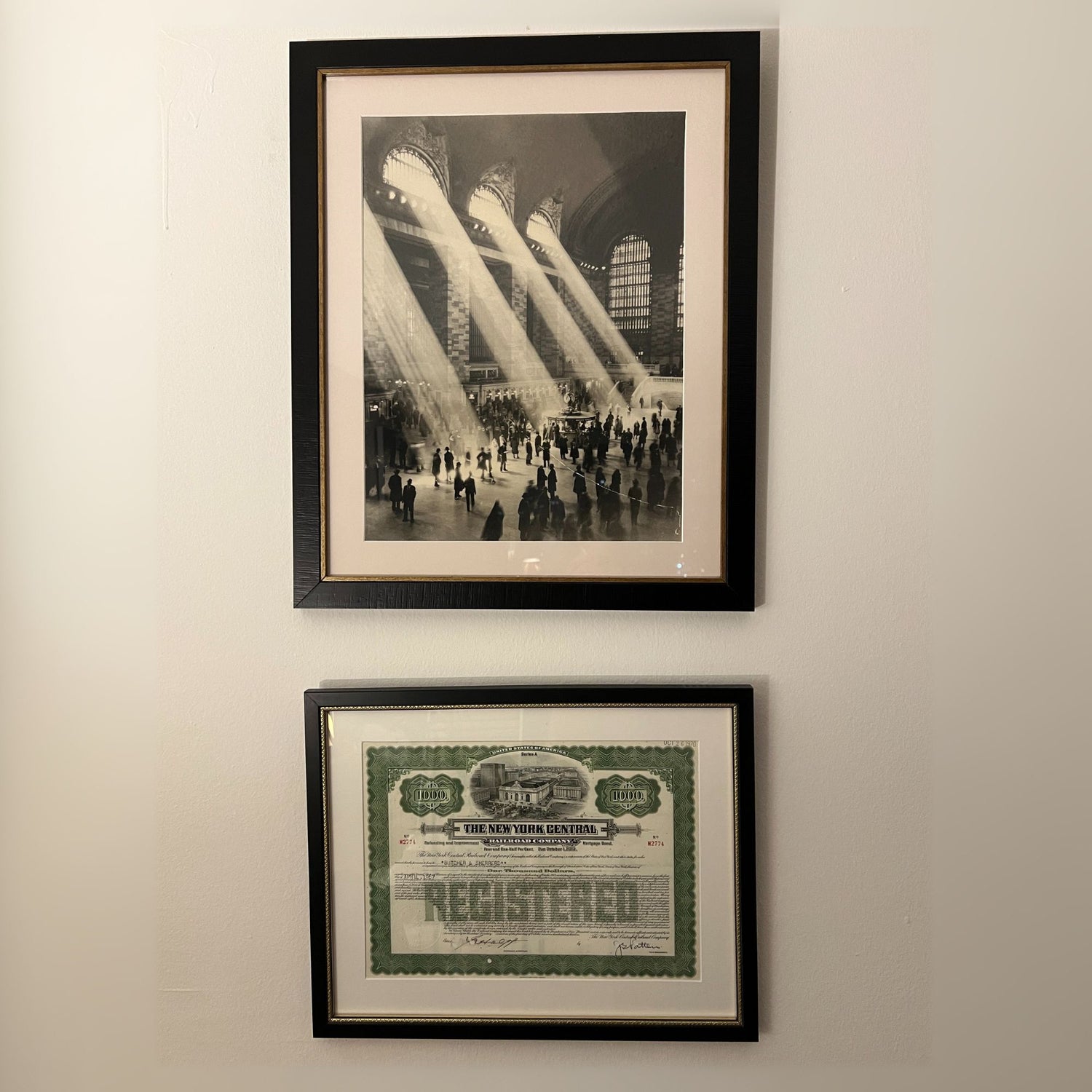
Every Certificate Tells A Story
Turn rare stock and bond certificates into timeless décor. Piece showcases bold colors, engravings, and historic signatures perfect for an office, library, bar, common area, museum & more.
Orders Ship Daily
Direct From Wall Street's Archives
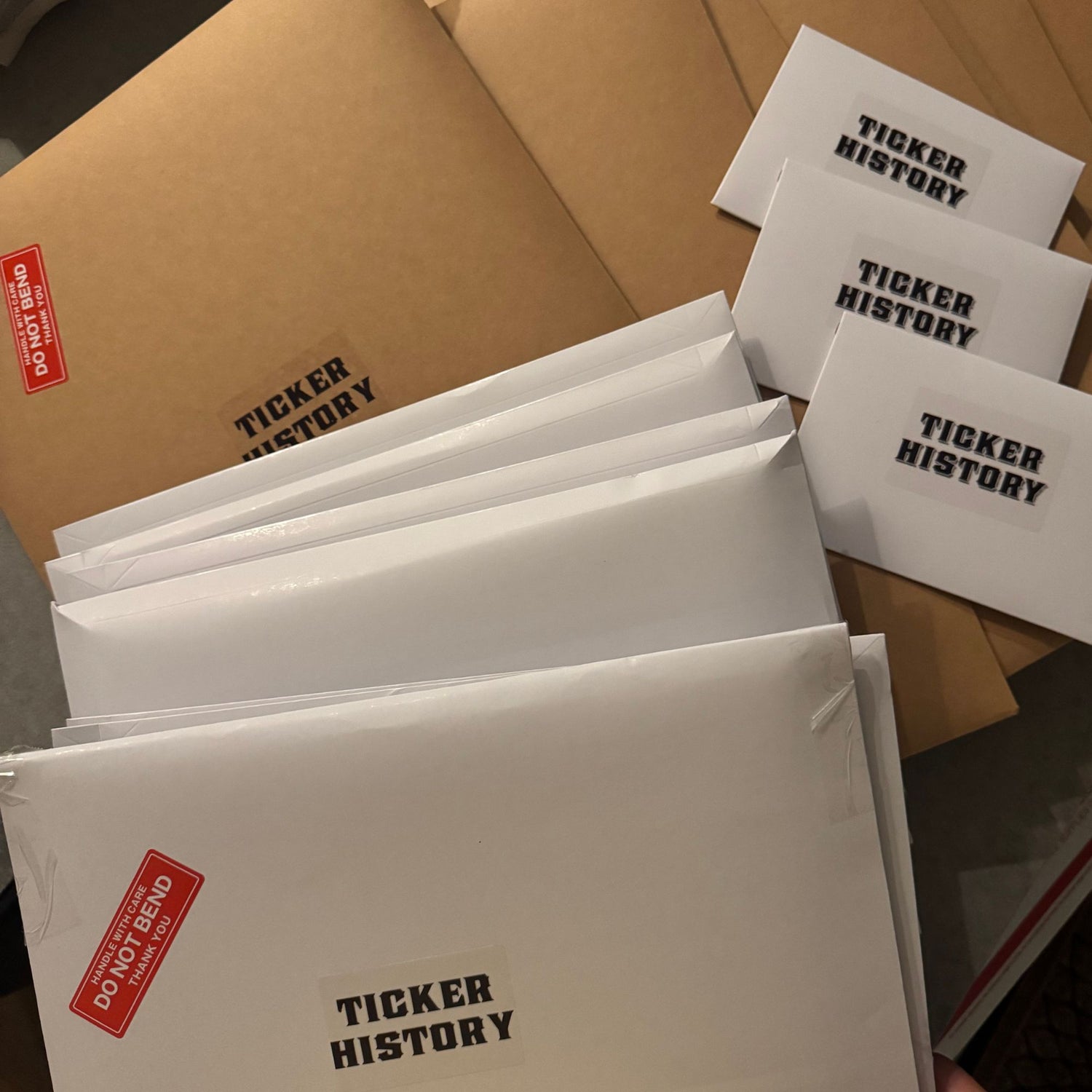
Orders are shipped flat with care, tracked & insured with USPS, in a strong, rigid, protected envelope. Daily fulfillment Monday - Thursday from NYC.
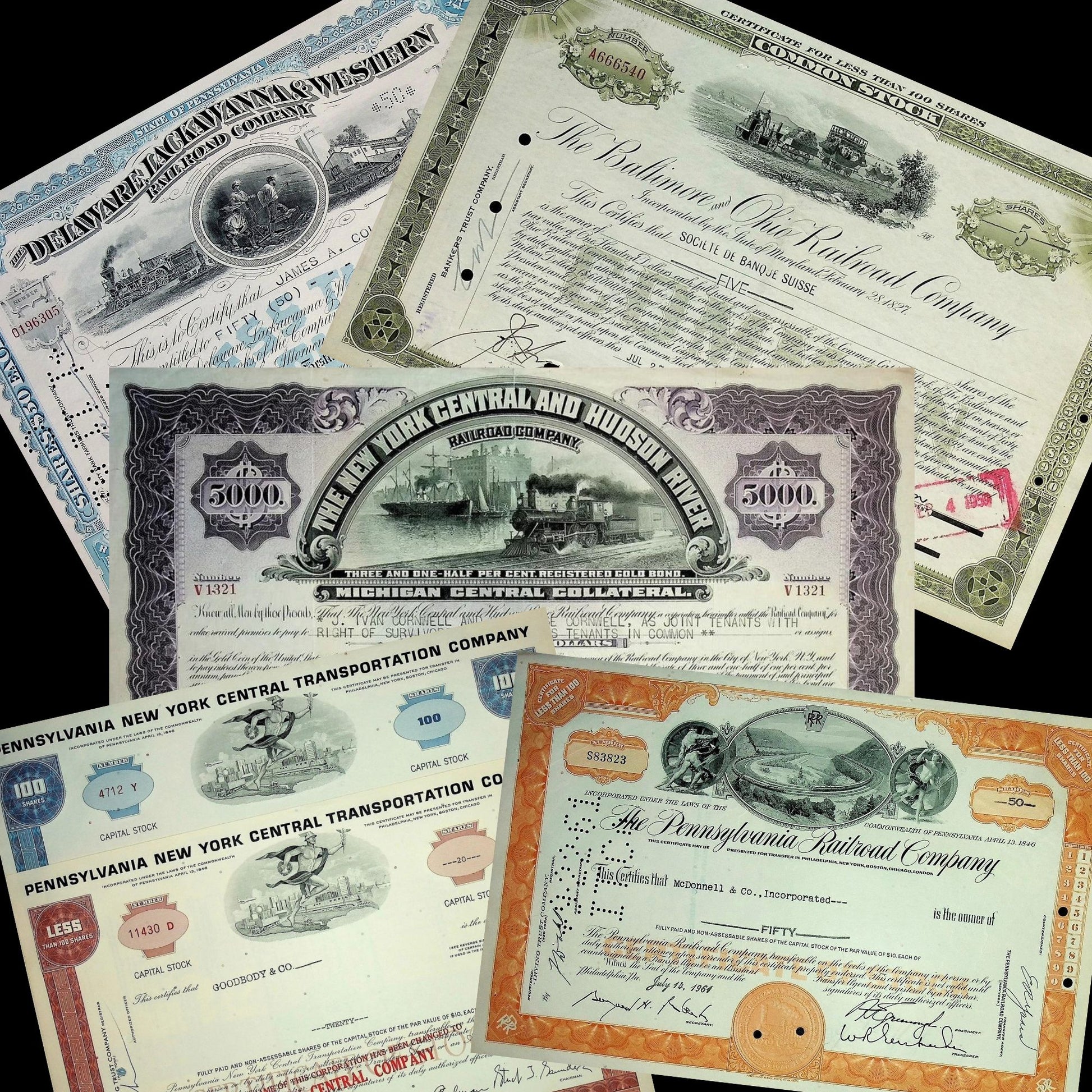
Railroad Stock & Bond Certificate Collectable Bundle Five Pack - 4x Stocks & 1x Bond
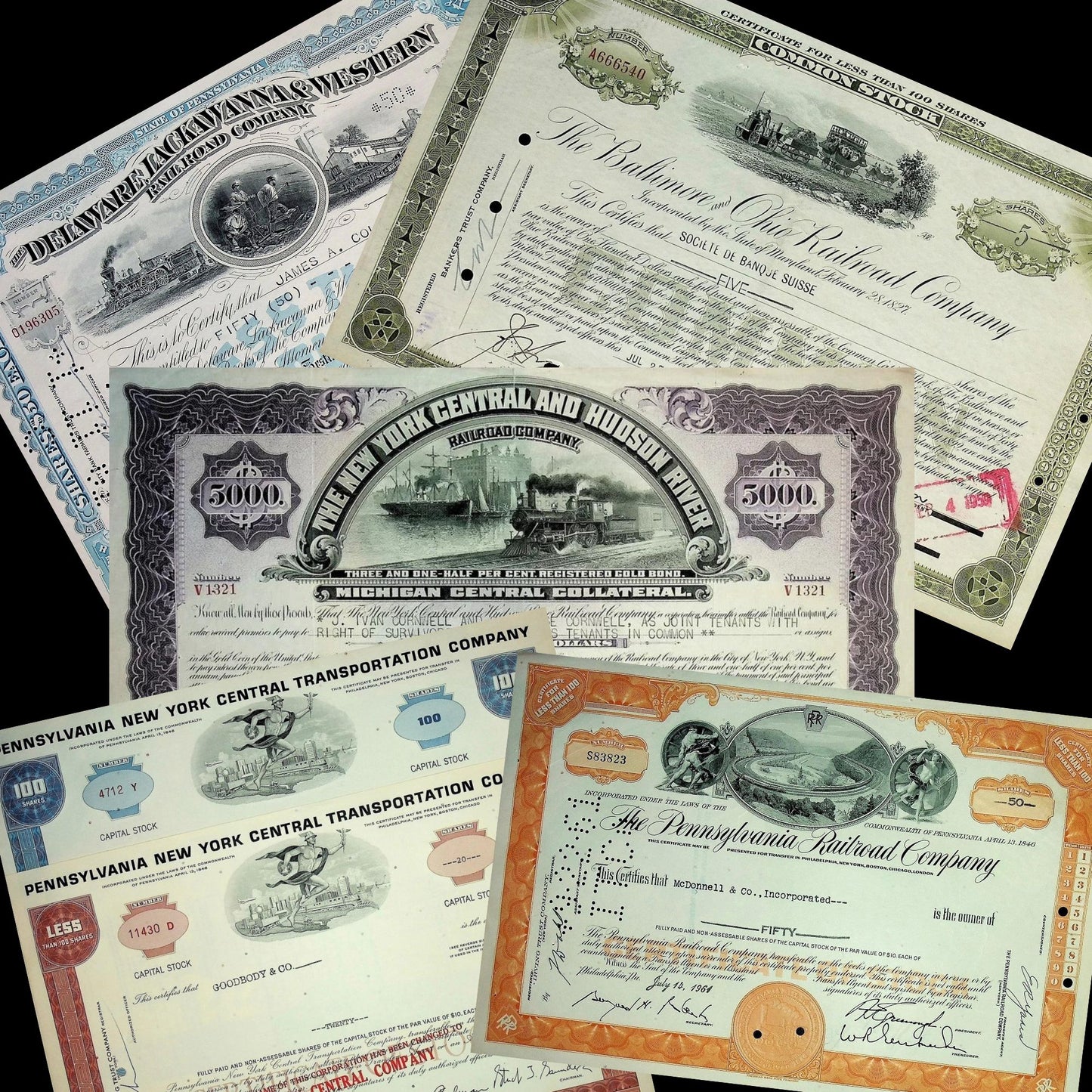
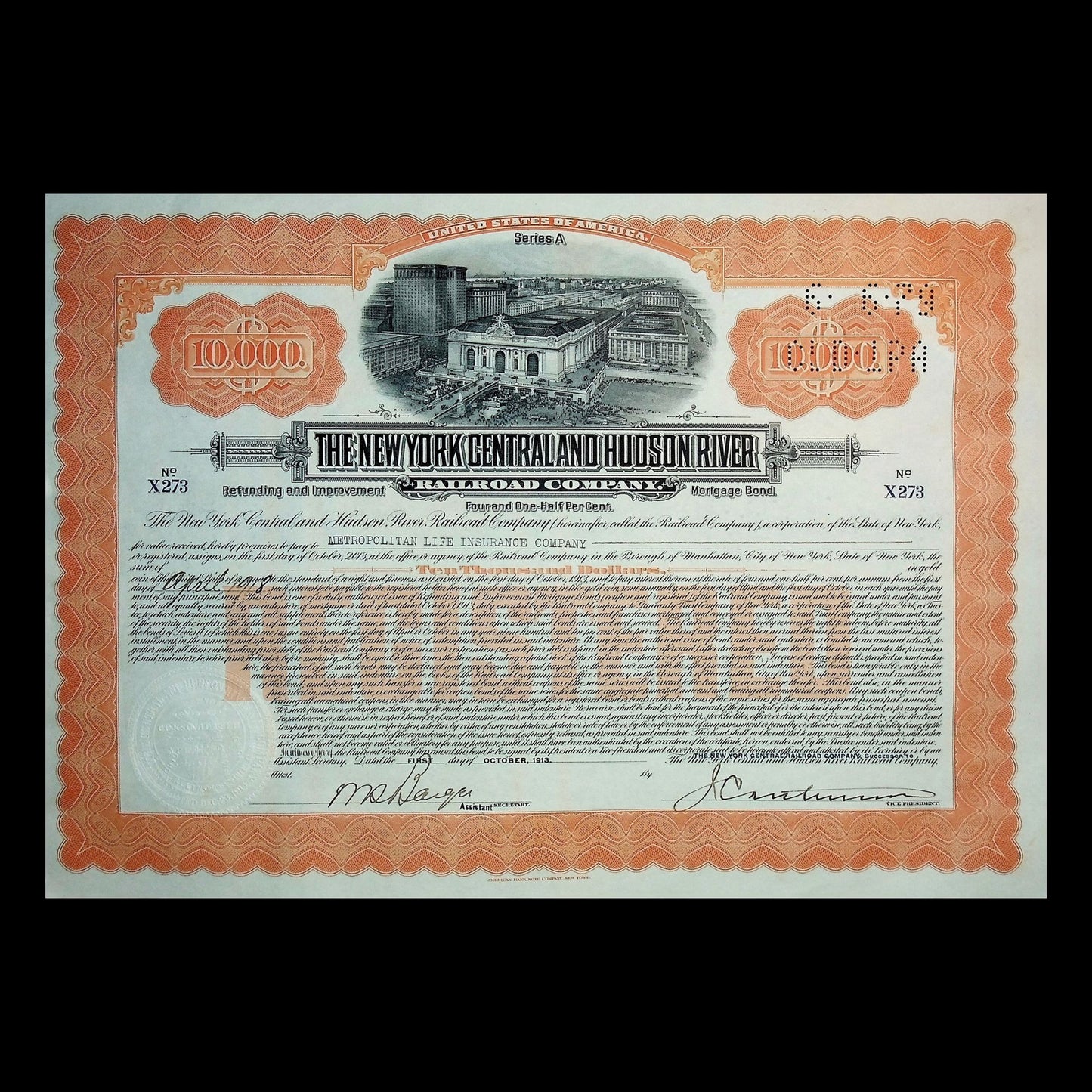
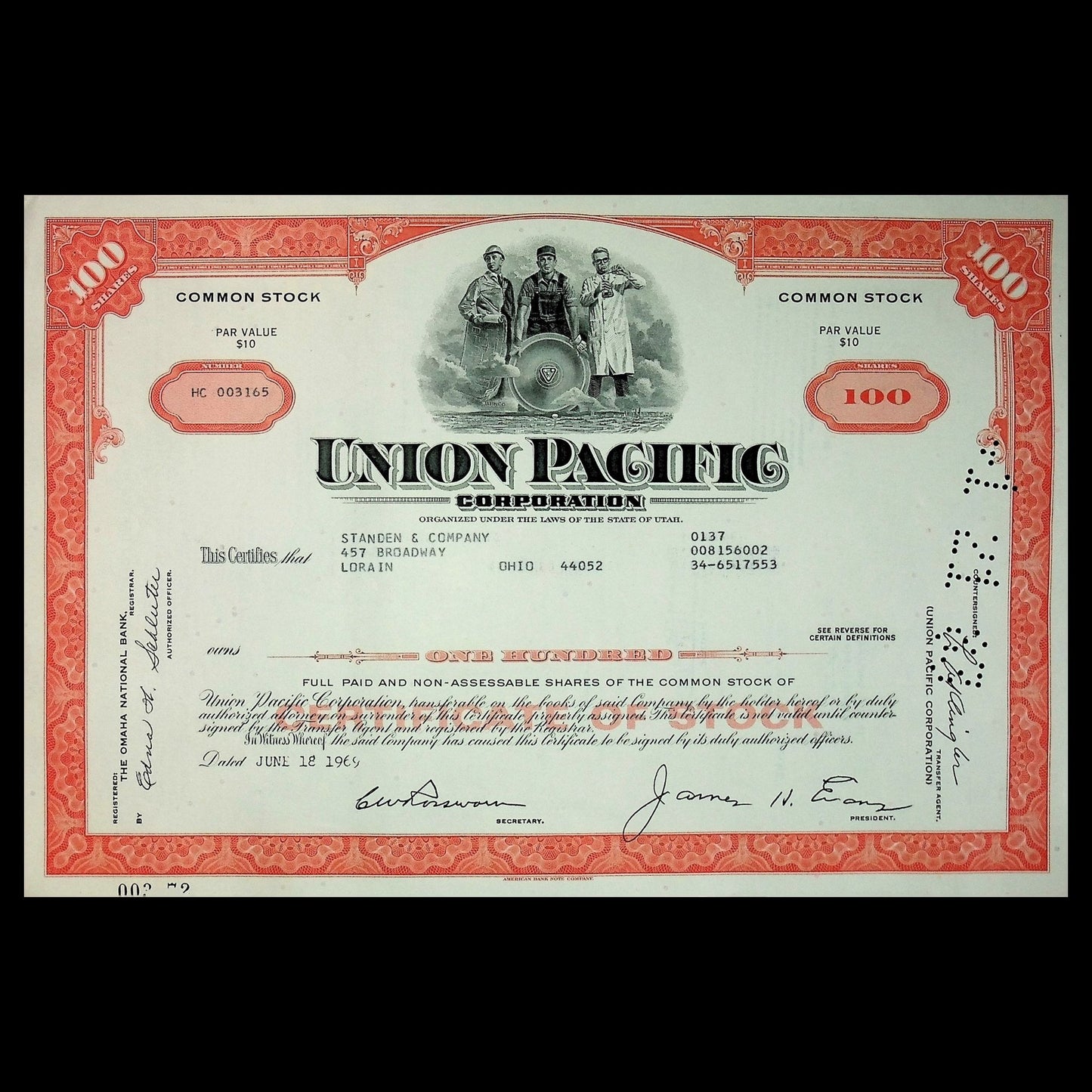
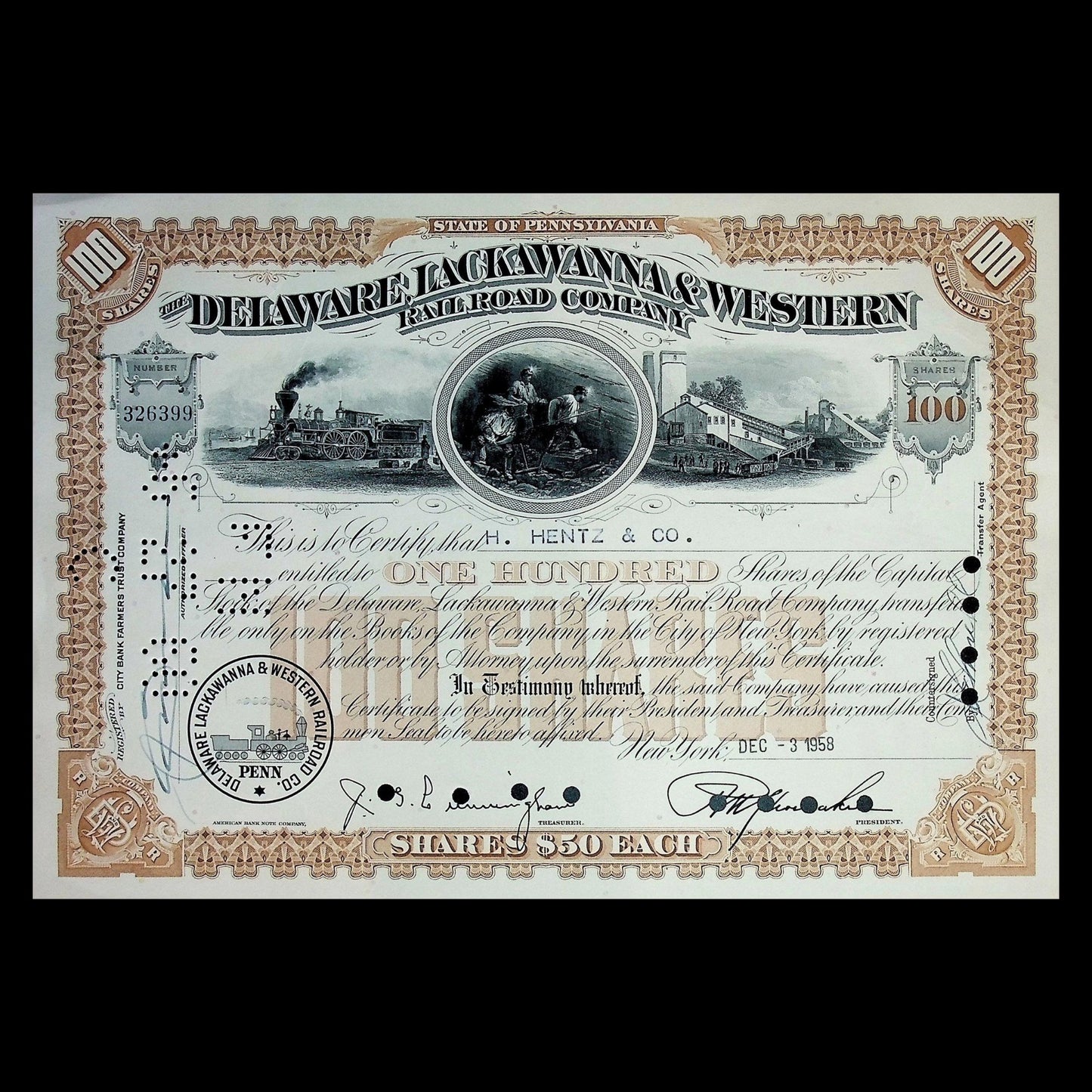
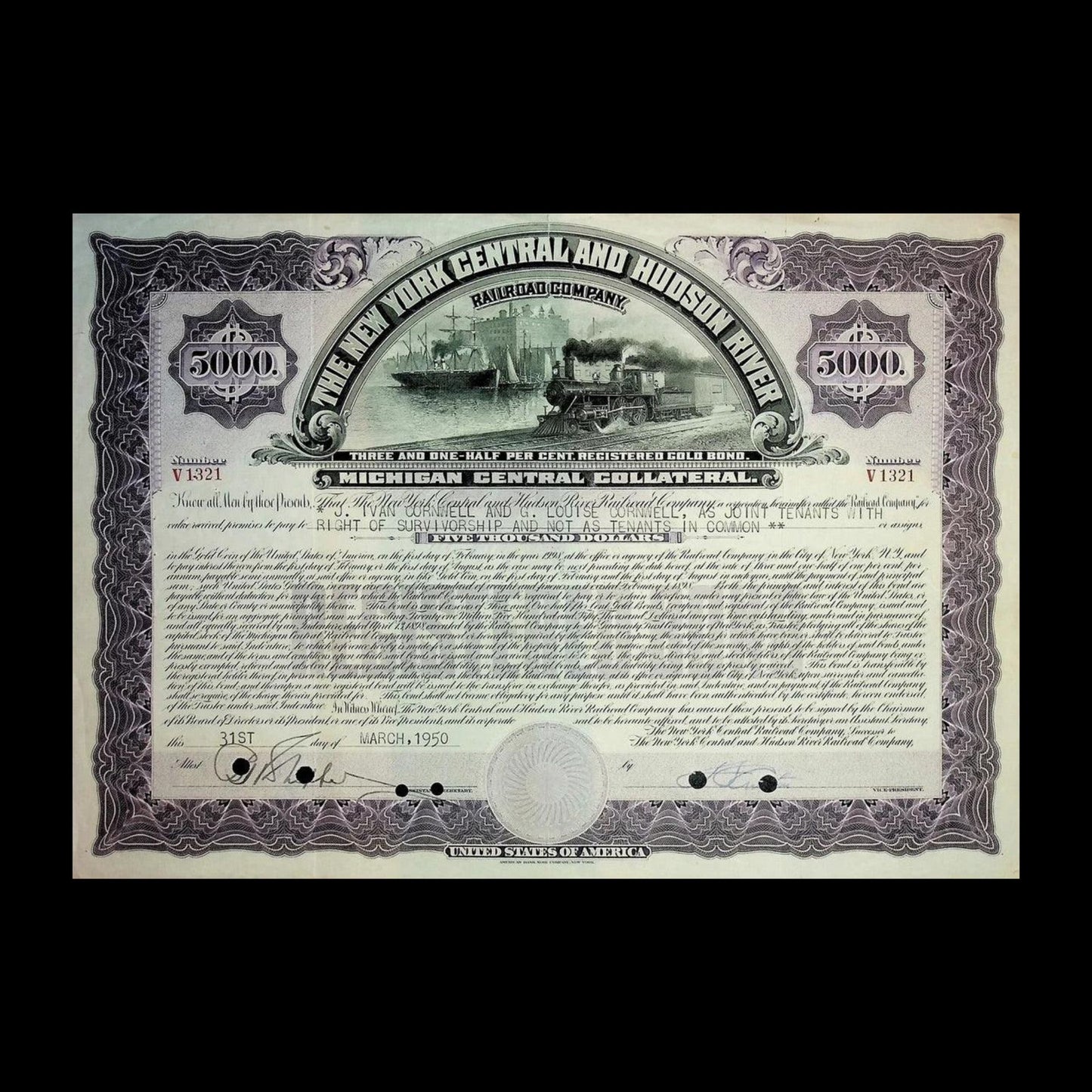
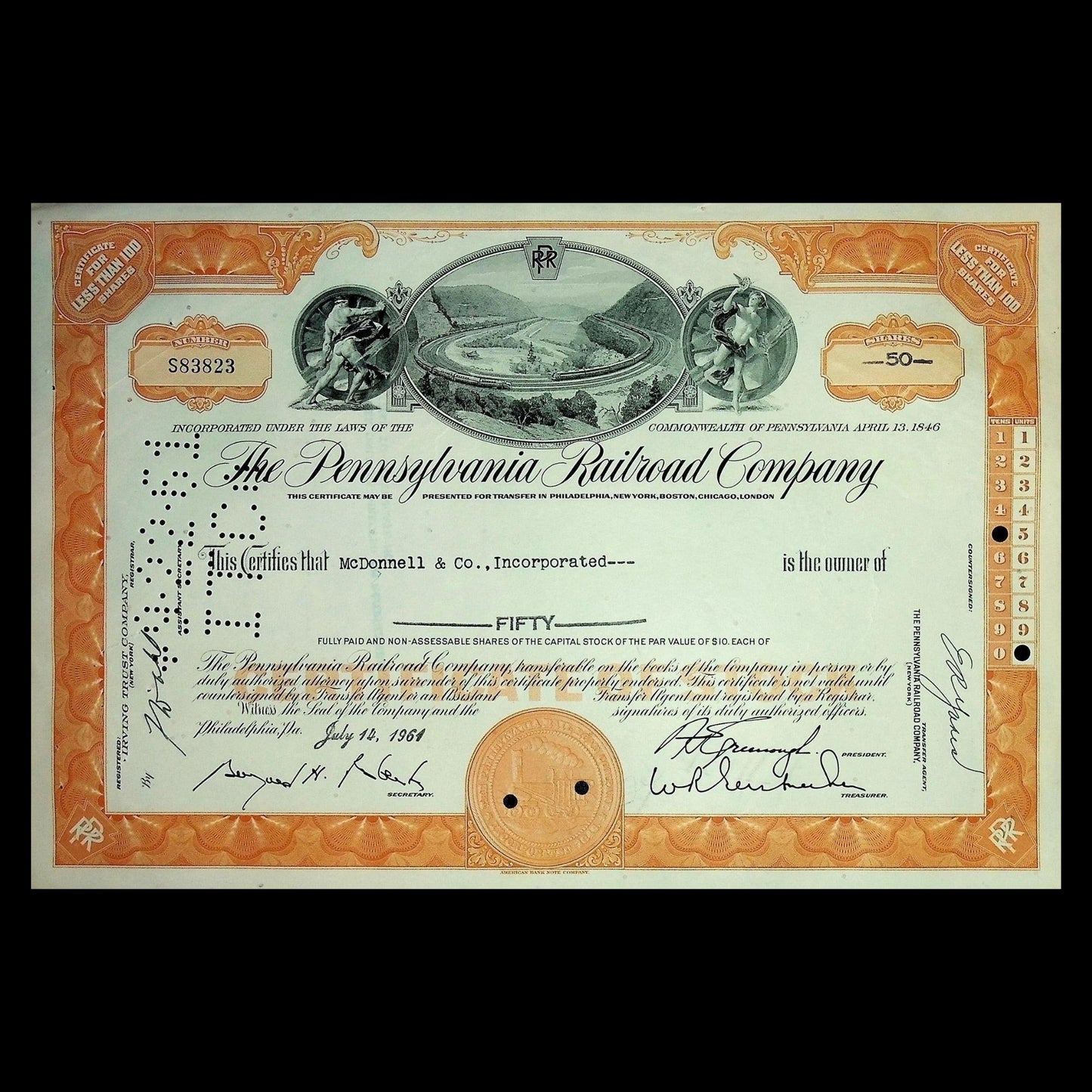
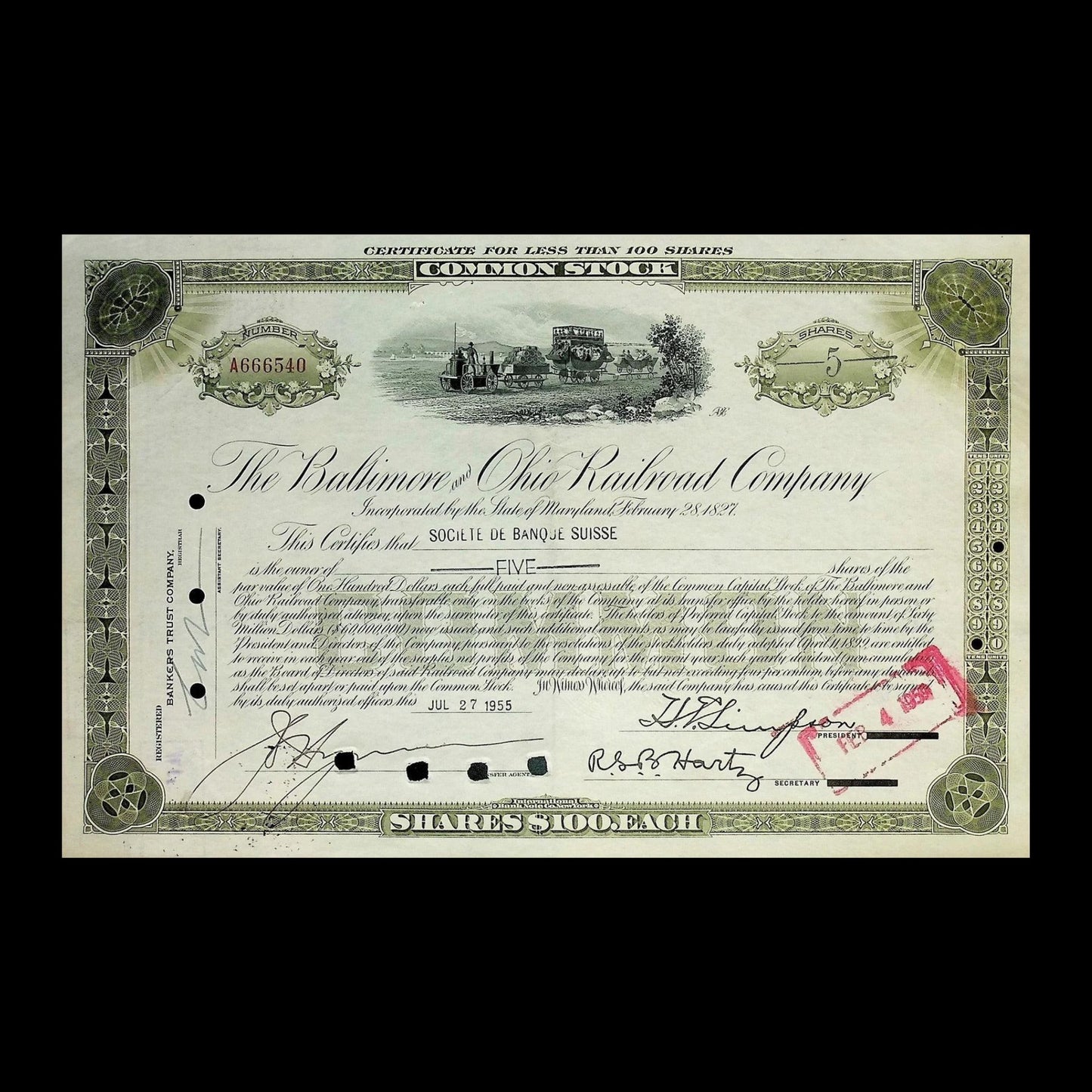
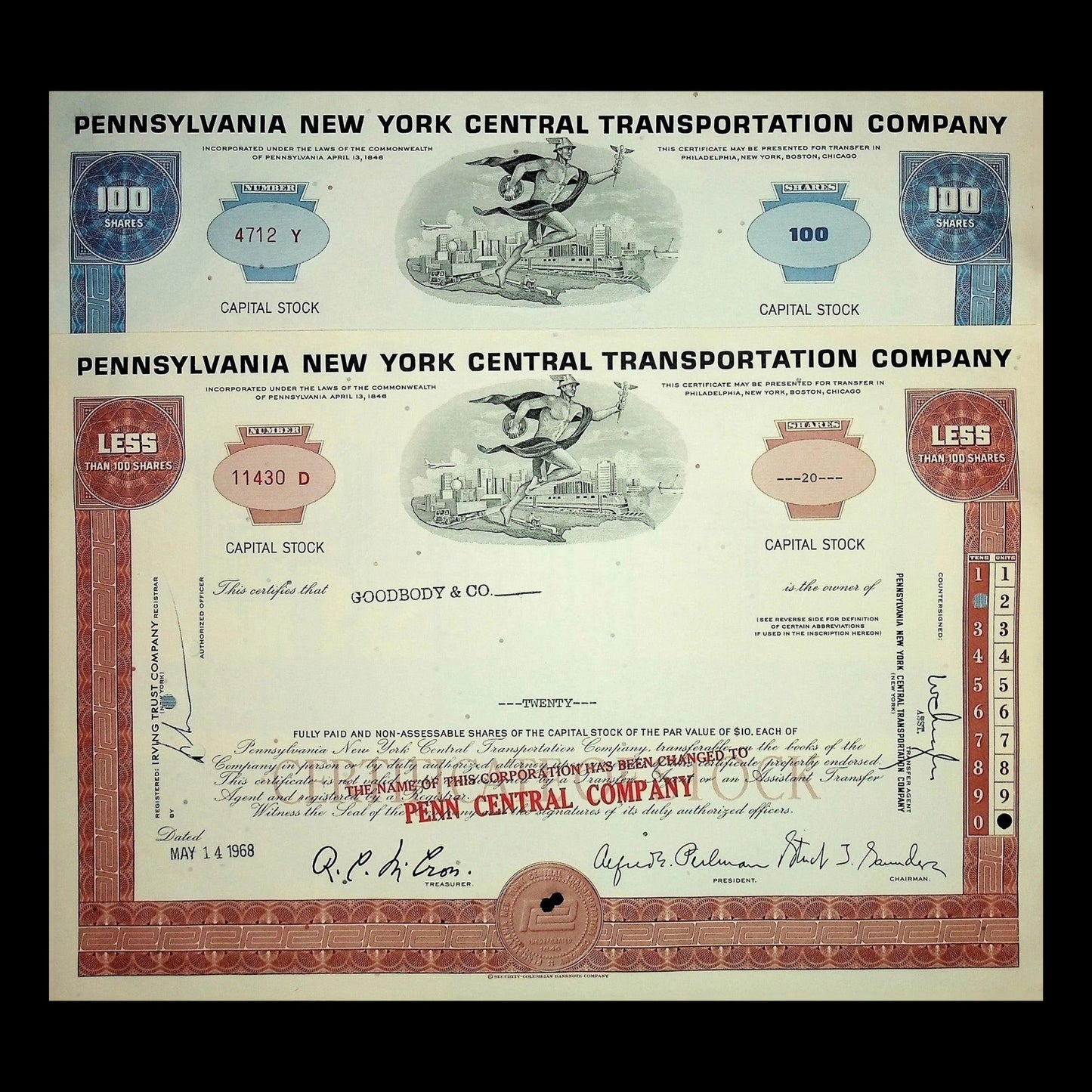
Discover 1,000s of Wall Street Collectables
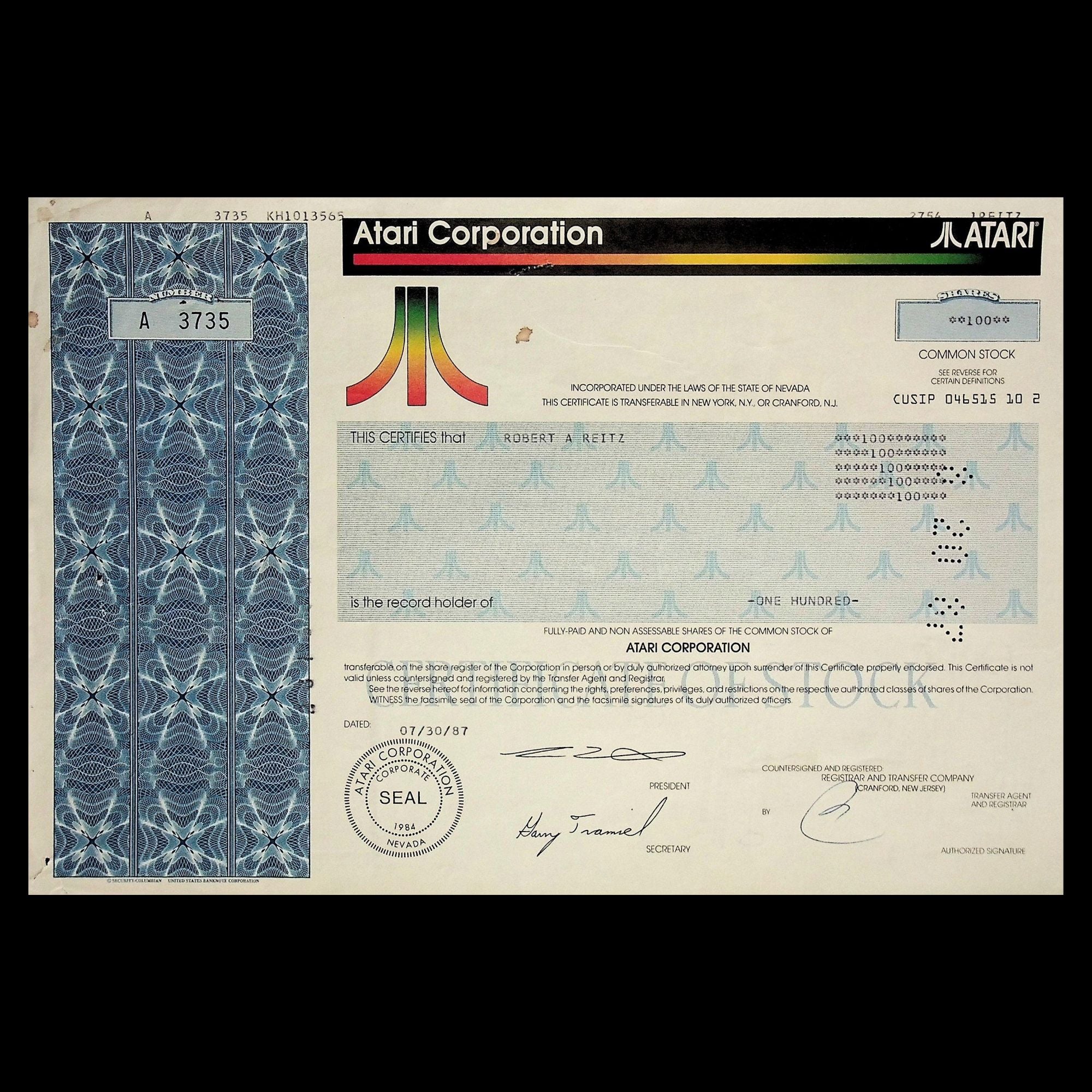
Atari Stock Certificate from 1980s With "Fuji" Logo
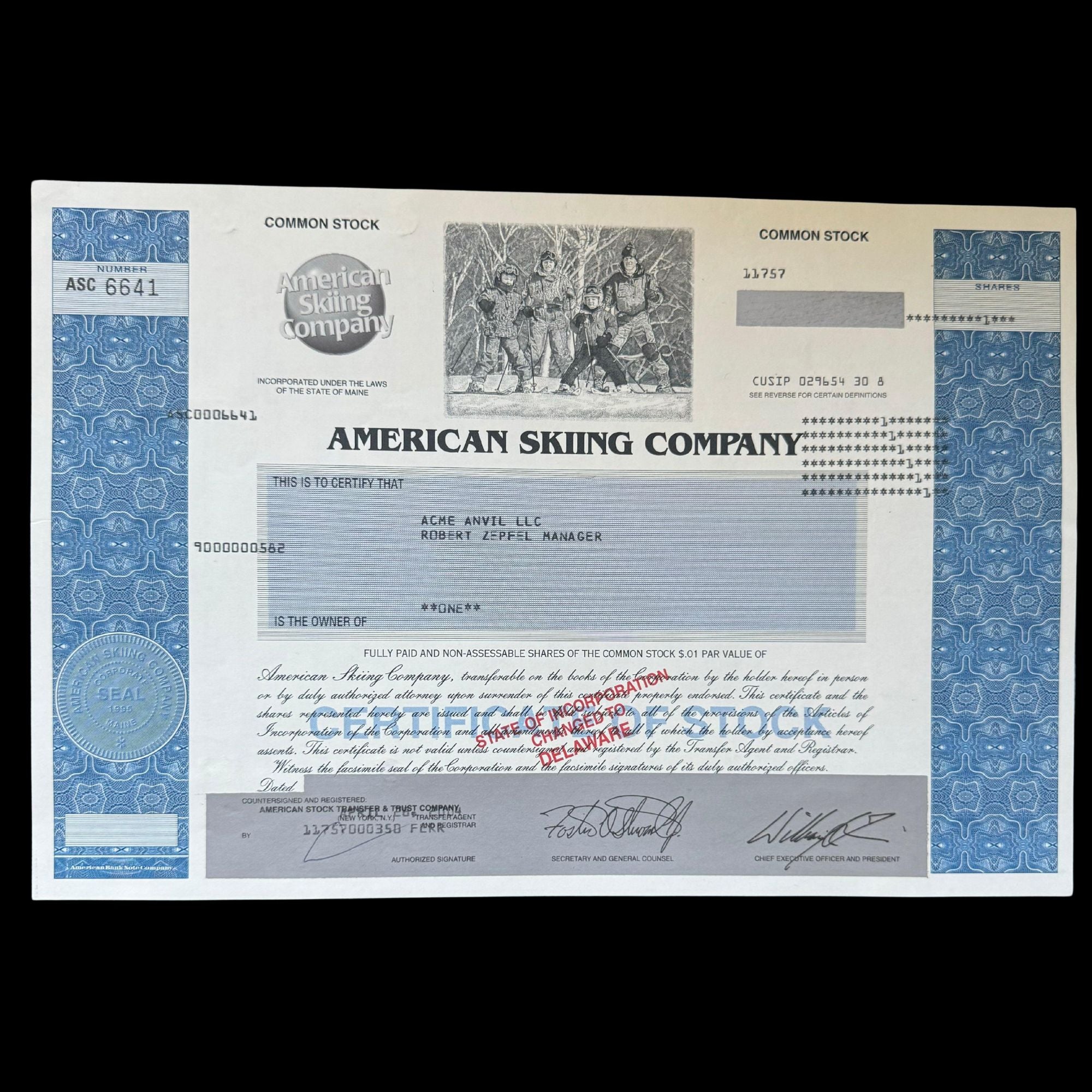
American Skiing Company Stock Certificate (feat photo of Skiers)
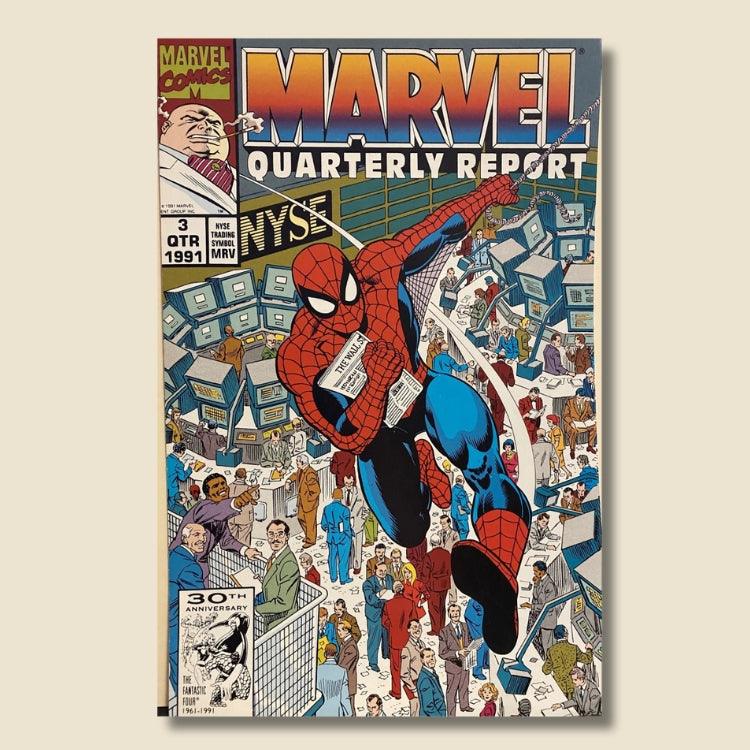
Marvel Spider-Man New York Stock Exchange 1991 Special Edition Comic

Enron Corp Stock Certificate from 2000s era - Authentic & Original
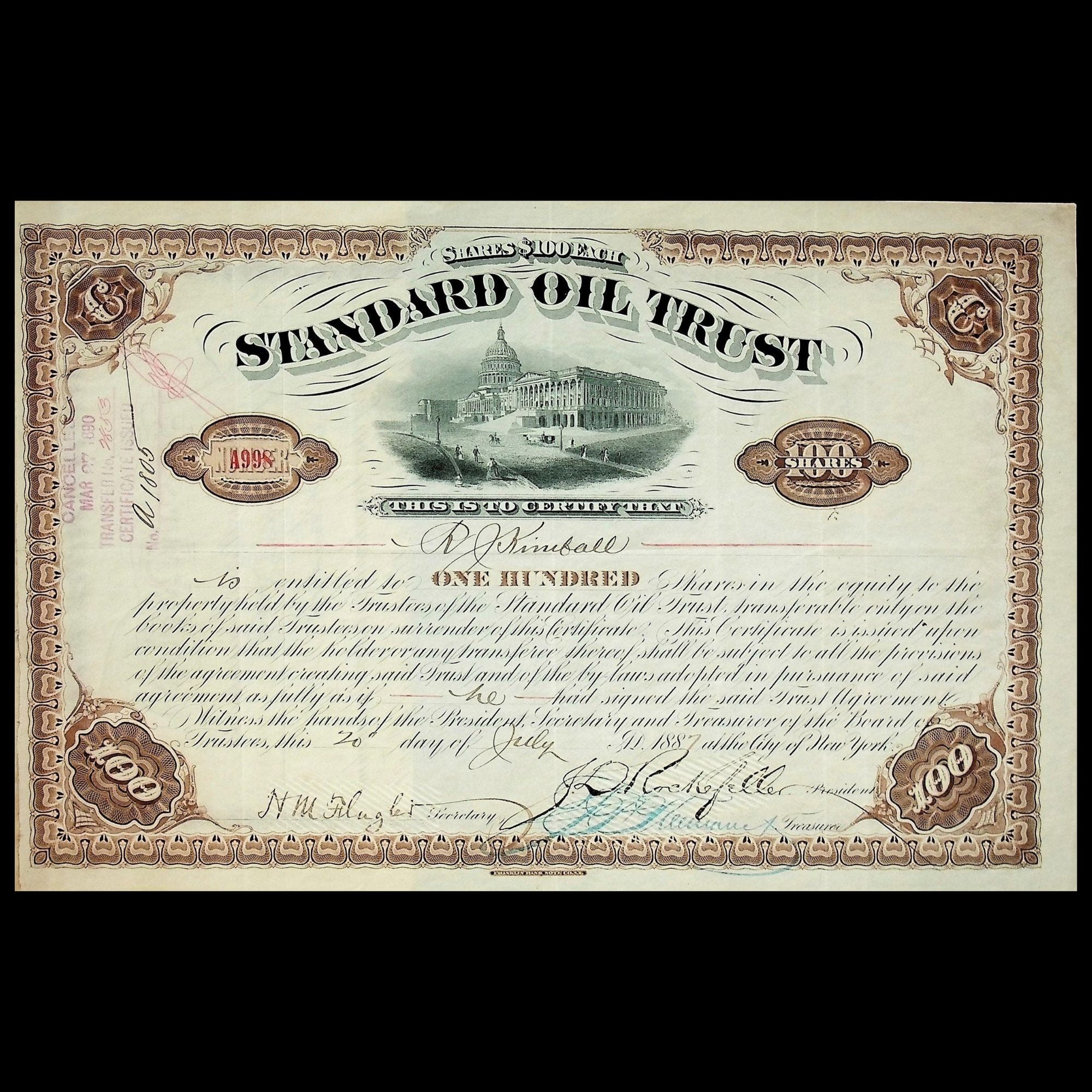
Atari Stock Certificate from 1980s With "Fuji" Logo
American Skiing Company Stock Certificate (feat photo of Skiers)
Marvel Spider-Man New York Stock Exchange 1991 Special Edition Comic
Enron Corp Stock Certificate from 2000s era - Authentic & Original
Atari Stock Certificate from 1980s With "Fuji" Logo
American Skiing Company Stock Certificate (feat photo of Skiers)
Marvel Spider-Man New York Stock Exchange 1991 Special Edition Comic
Enron Corp Stock Certificate from 2000s era - Authentic & Original
Atari Stock Certificate from 1980s With "Fuji" Logo
American Skiing Company Stock Certificate (feat photo of Skiers)
Marvel Spider-Man New York Stock Exchange 1991 Special Edition Comic
Enron Corp Stock Certificate from 2000s era - Authentic & Original
Explore Our Collections
-
American Classics
Showcasing the evolution of American industry through beautifully engraved certificates from iconic...
-
Banks, Insurance & Investment
Discover the rich history of American finance with our collection of authentic...
-

Food & Drink
Collectible Food & Drink Stock & Bond Certificates for Sale - Hershey's, Nabisco,...
-
Transportation
Discover our collection of collectable stock and bond certificates for sale from...
-
World Wars
Discover our unique collection of World War-era bonds and Disney wartime memorabilia,...
