









Confederate States of America — $500 Bond from 1863 with Christopher G. Memminger
Confederate States of America — $500 Bond from 1863 with Christopher G. Memminger
Couldn't load pickup availability
Are the certificates authentic?
Are the certificates authentic?
Yes, all of the certificates we sell are authentic stock and bond certificates unless otherwise mentioned in the description. At one point in time, this certificate represented a share of of the company, or a bond receipt. These certificates have been removed from circulation and digitalized, as seen by cancellation holes, stamps and writing on the certificate. We offer these certificates as a collectable item, not a security.
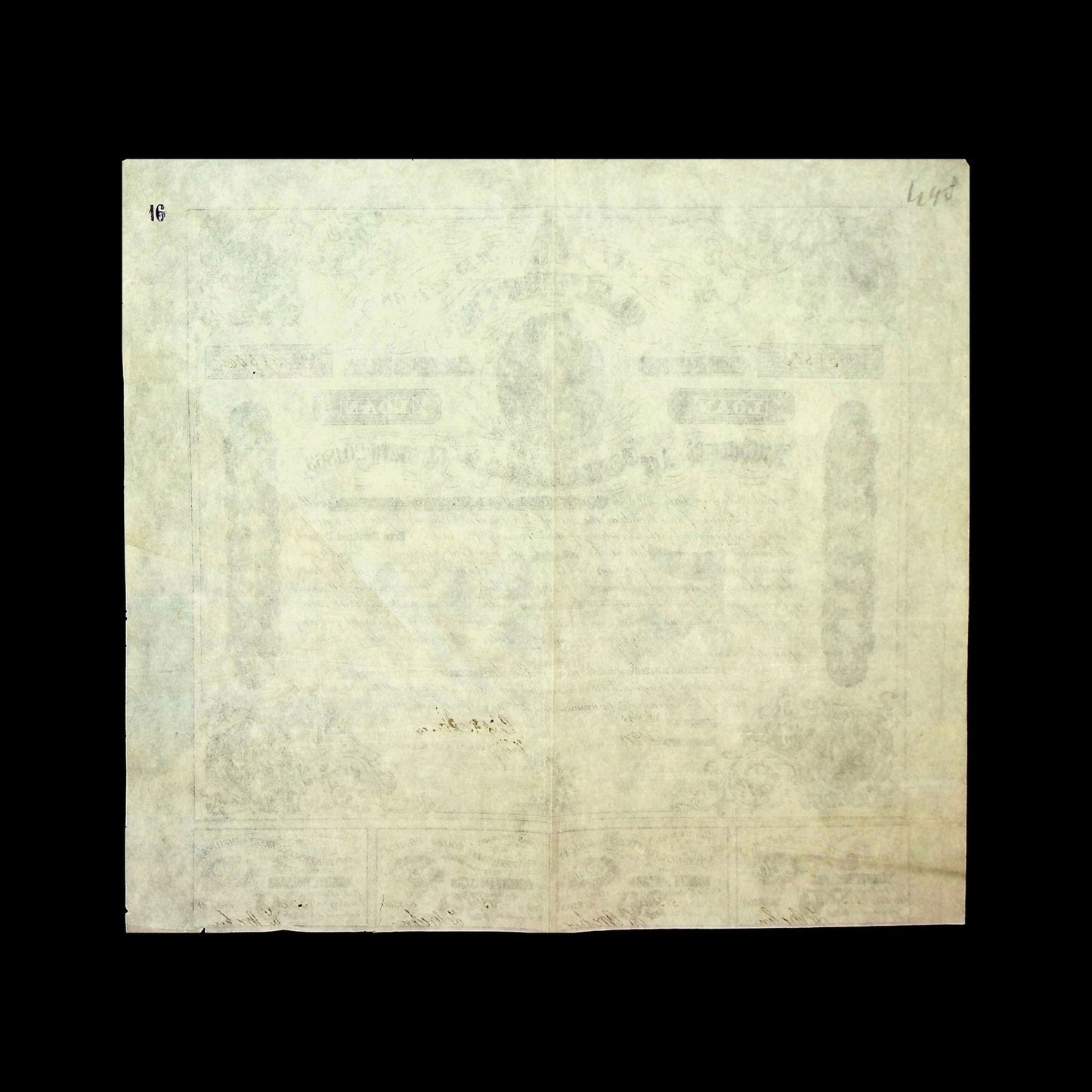
This is an original $500 bond issued by the Confederate States of America in 1863, one of 56,417 authorized under the Act of February 20, 1863, and one of the few that still survives. The certificate is printed in olive green ink by B. Duncan of Richmond, and bears the portrait of Christopher G. Memminger, Secretary of the Confederate Treasury, shown in formal attire. You will receive the exact piece shown.
The certificate is printed in black ink by B. Duncan of Richmond, and bears the portrait of Christopher G. Memminger, Secretary of the Confederate Treasury, shown in formal attire. The elaborate engraved border carries decorative corner rosettes containing the denomination "500." Four coupons remain attached, unclipped, meaning the bond's interest was never collected.
Catalog references: Criswell 124 · Ball 192 Act: February 20, 1863 Denomination: $500 Interest rate: 7% per annum Printer: B. Duncan, Richmond, VA Coupons: 4 attached, unclipped Condition notes: Age-toned; wear consistent with period paper
In February 1863, the Confederate Congress had already authorized several rounds of war financing, and each one had proven insufficient. The Act of February 20, 1863 was the Confederacy's largest single bond authorization, intended to raise tens of millions of dollars to sustain an army fighting on multiple fronts. It produced the highest-volume bonds of the entire Confederate fiscal program.
The man on this certificate, Christopher G. Memminger, was the architect of Confederate finance. A Charleston lawyer and former South Carolina state legislator, he served as Treasury Secretary from the Confederacy's founding in February 1861 through June 1864, when he resigned under pressure as the financial situation deteriorated beyond repair. He managed an impossible task: funding a four-year war with no established banking infrastructure, no reliable tax base, and a naval blockade that strangled exports and choked off foreign exchange. Bonds like this one were his primary instrument. They were sold to Southern civilians, planters, and merchants, with a promise of repayment in coin after Confederate independence.
That independence never came. Under Section 4 of the 14th Amendment (ratified 1868), the United States explicitly prohibited honoring any Confederate debt. Every bond became worthless overnight.
Confederate bonds cataloged under the Ball system (the current dealer standard) and Criswell numbers are the two references used by serious collectors and auction houses. Cr. 124 / Ball 192 is well-documented, with a known issuance of 56,417, but historically significant as a centerpiece of the Confederacy's largest financing effort.
Civil War financial documents are among the most compelling artifacts in American scripophily: primary sources from the economic machinery of a war that defined the nation. Offered as a collectible.
Materials and care
Materials and care
Here are some quick tips to preserve your certificate for decades to come.
Paper quality: Stock certificates were printed on a variety of certificate paper dating back to the mid 1800s. Most of these vintage collectable certificates have signs of used & wear , cancellation holes, pencil / pen writing, stamps, staples, adhesives, slight rips, missing coupons and other features.
Handling: Always handle the certificate with clean, dry hands or use cotton gloves to avoid transferring oils and dirt from your skin onto the paper.
Storage: Store the certificate in a cool, dry place away from direct sunlight, which can cause fading. Use acid-free folders or archival-quality plastic sleeves to protect it from moisture, dust, and physical damage.
Framing: If displaying the certificate, use a frame with UV-protective glass to prevent light damage. Ensure the certificate is mounted using acid-free materials to avoid any chemical reactions that could degrade the paper over time.
Avoid Exposure: Keep the certificate away from direct sun, extreme temperatures and humidity, which can cause the paper to warp or deteriorate. Avoid exposing it to pollutants, such as smoke or chemicals, which can cause discoloration.


On orders over $50
Or your money back
Trust us to build their collection
Secure payment with all major providers
Trusted By Thousands of Collectors
Let customers speak for us
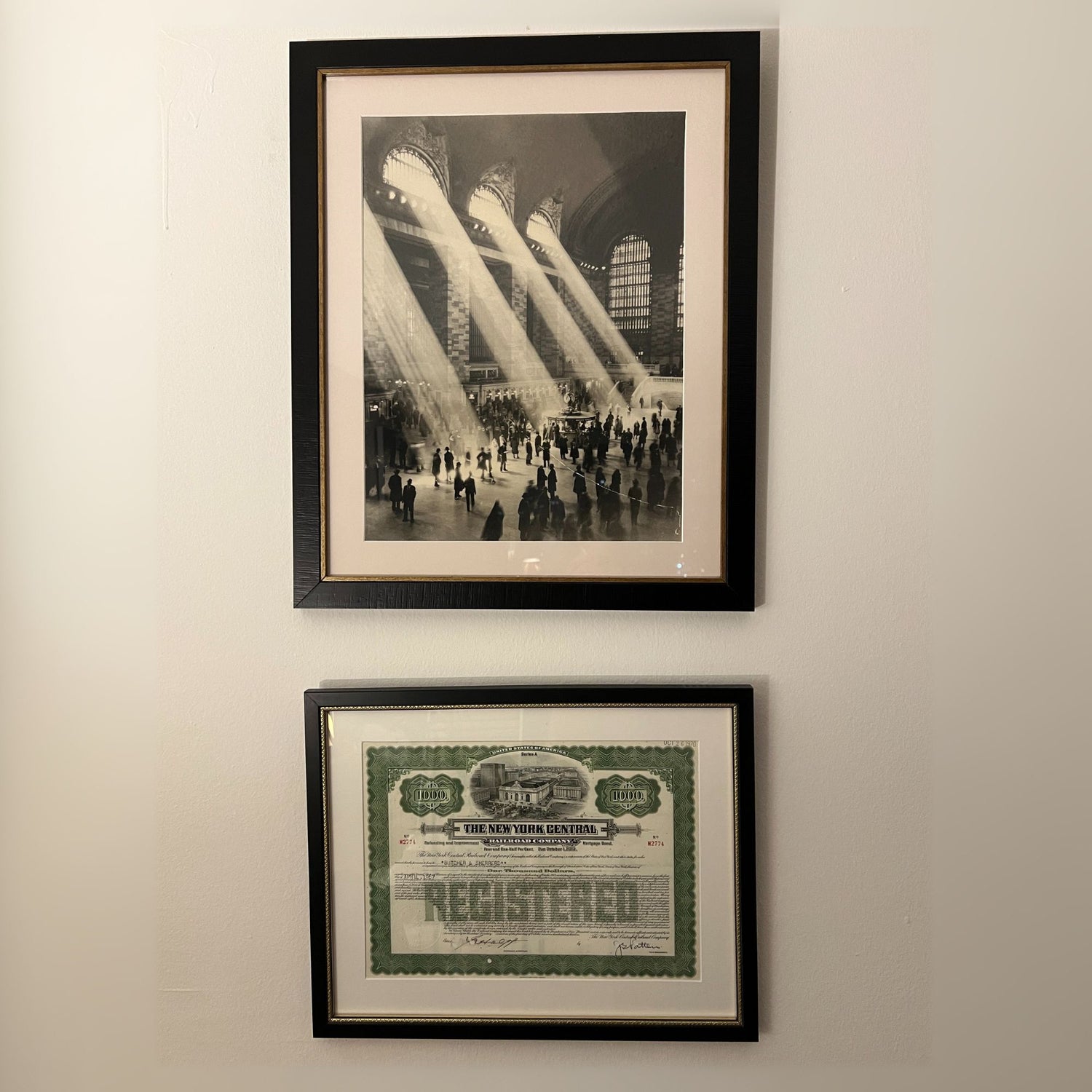
Art with a Backstory
Every Certificate Tells A Story
Turn rare stock and bond certificates into timeless décor. Piece showcases bold colors, engravings, and historic signatures perfect for an office, library, bar, common area, museum & more.
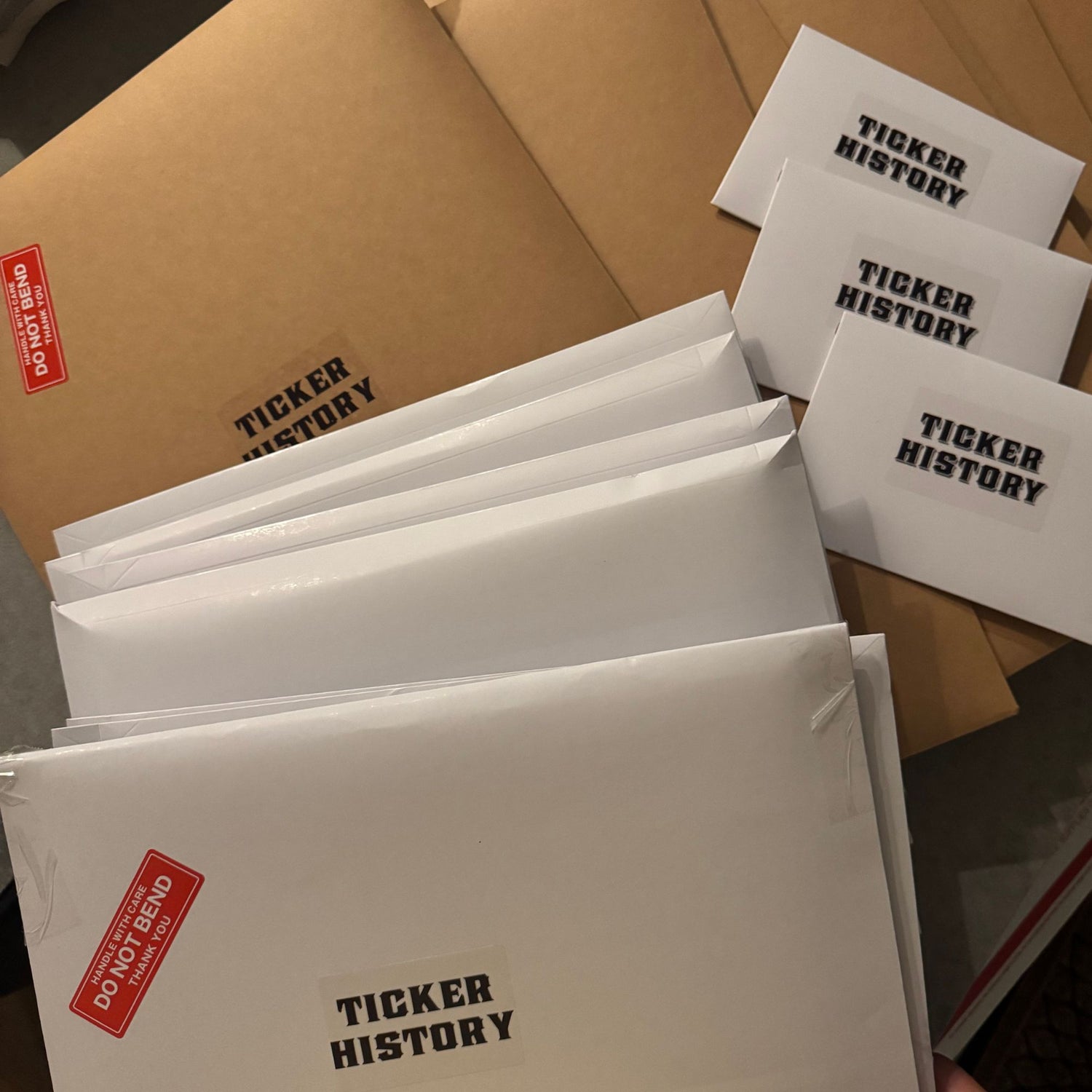
Orders Ship Daily
Direct From Wall Street's Archives
Orders are shipped flat with care, tracked & insured with USPS, in a strong, rigid, protected envelope. Daily fulfillment Monday - Thursday from NYC.
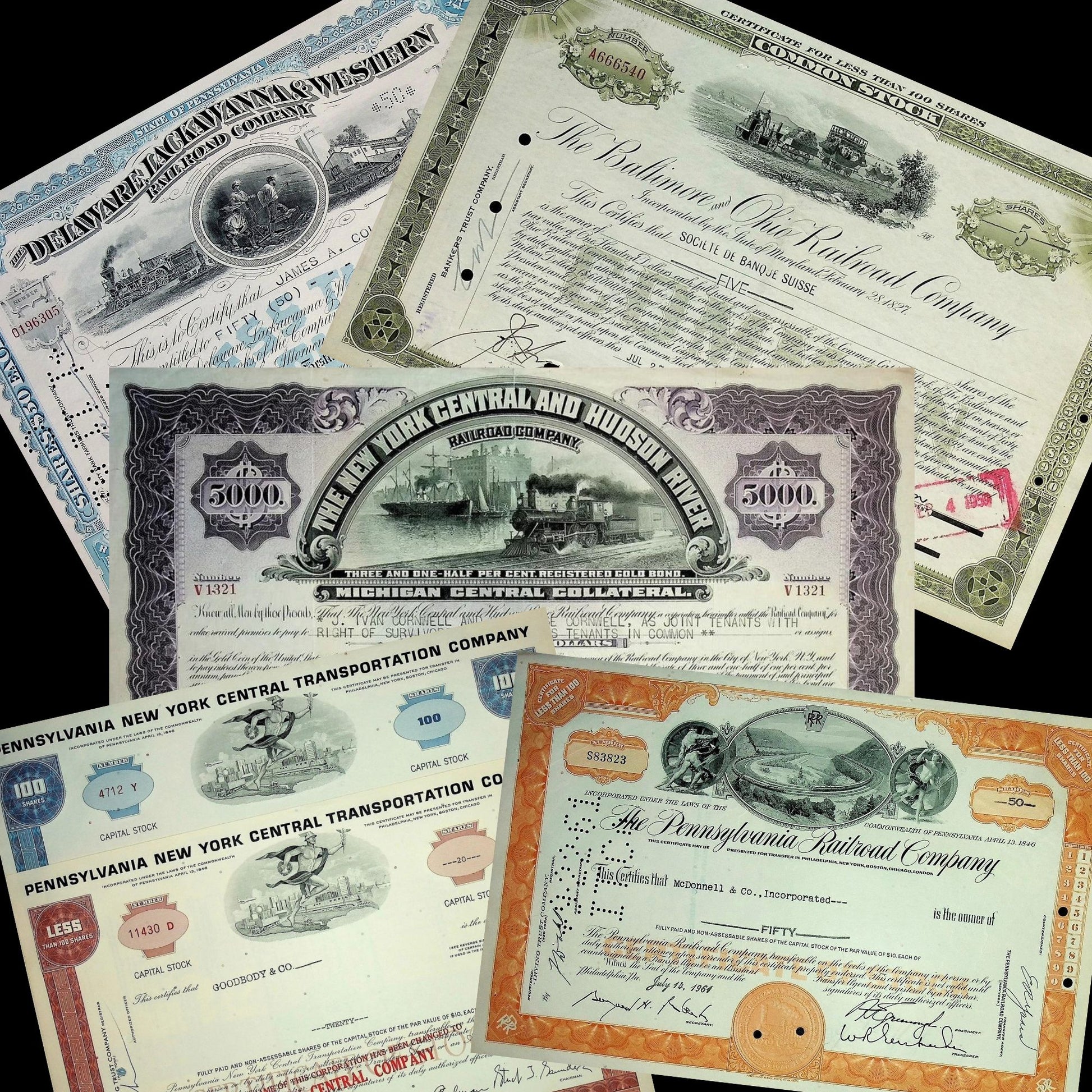
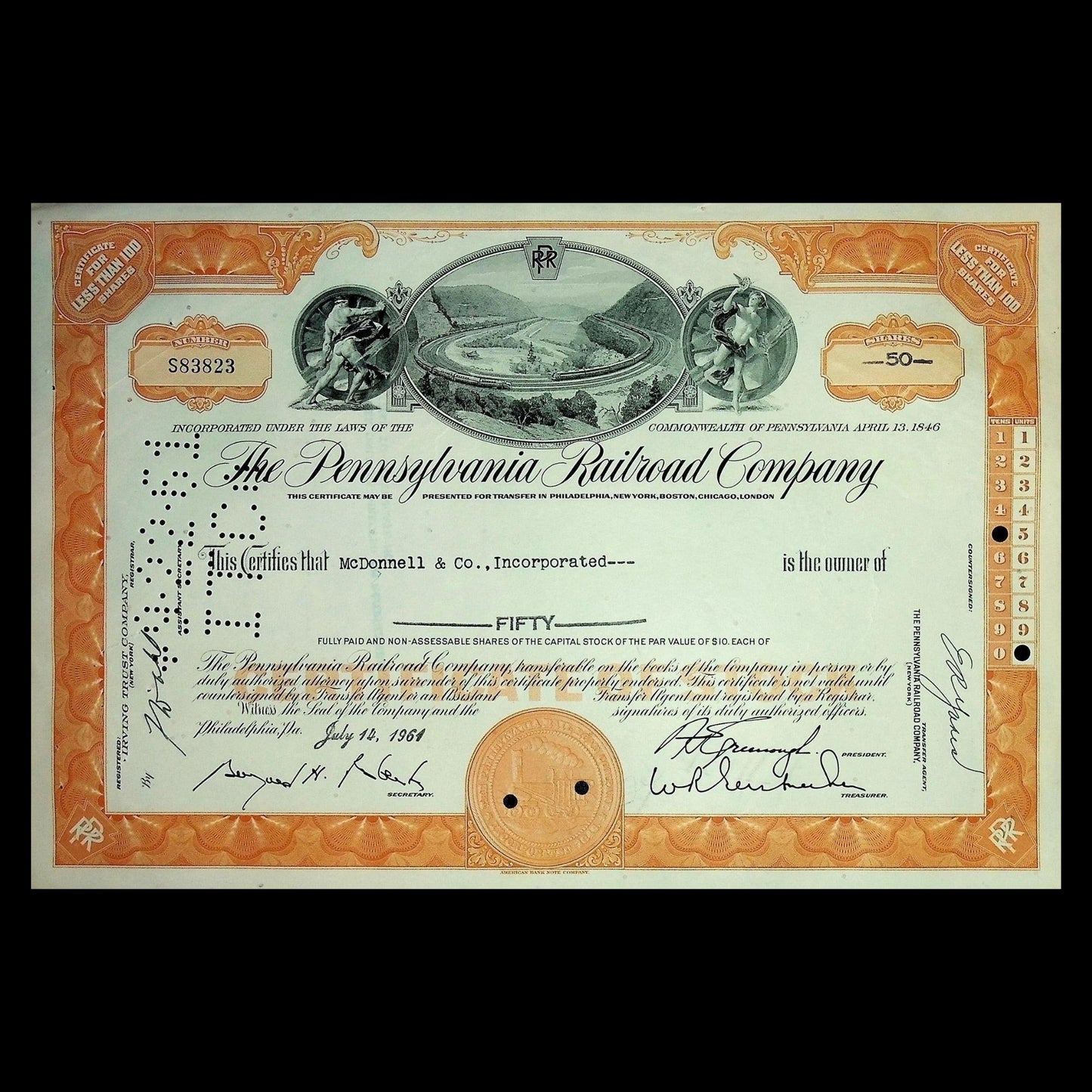
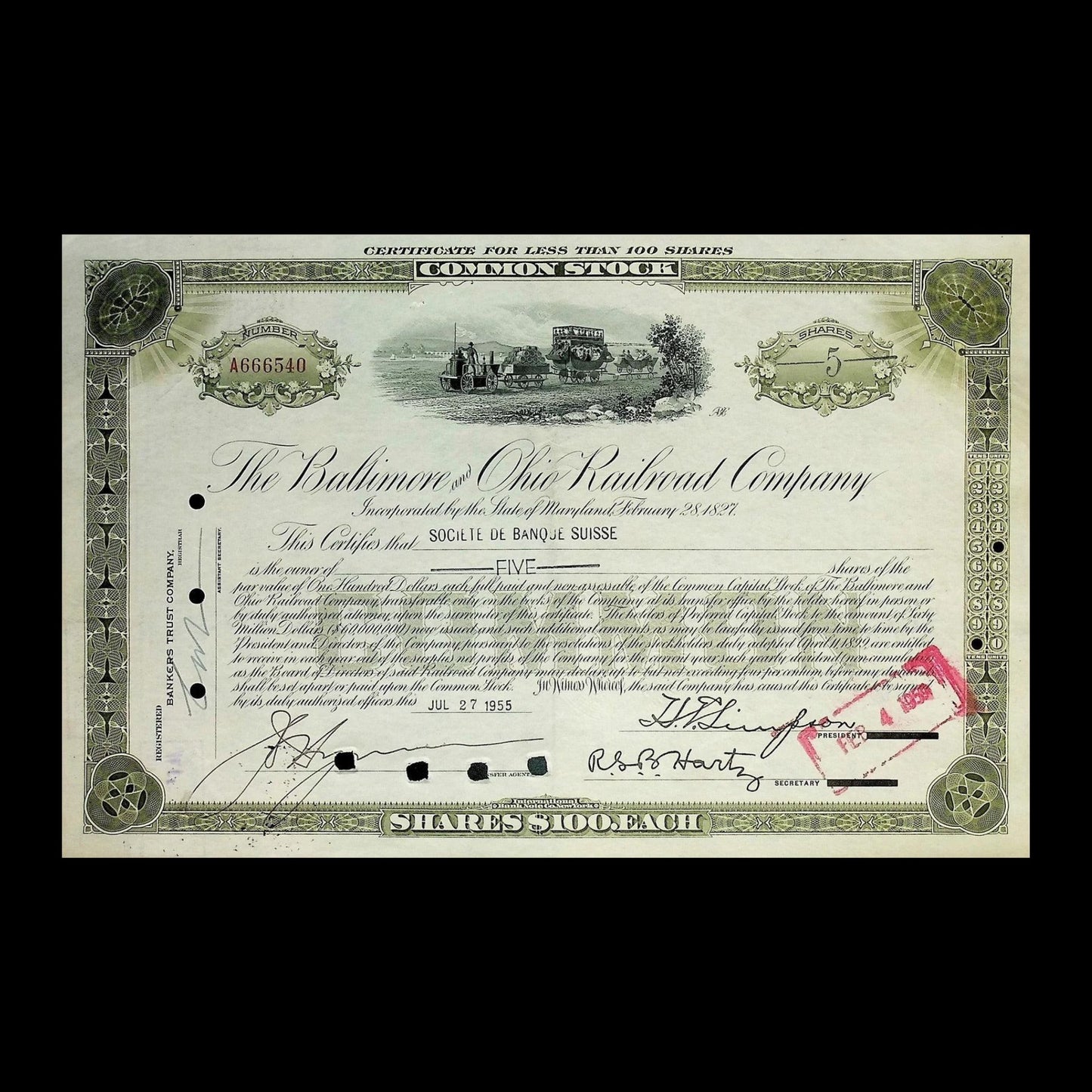
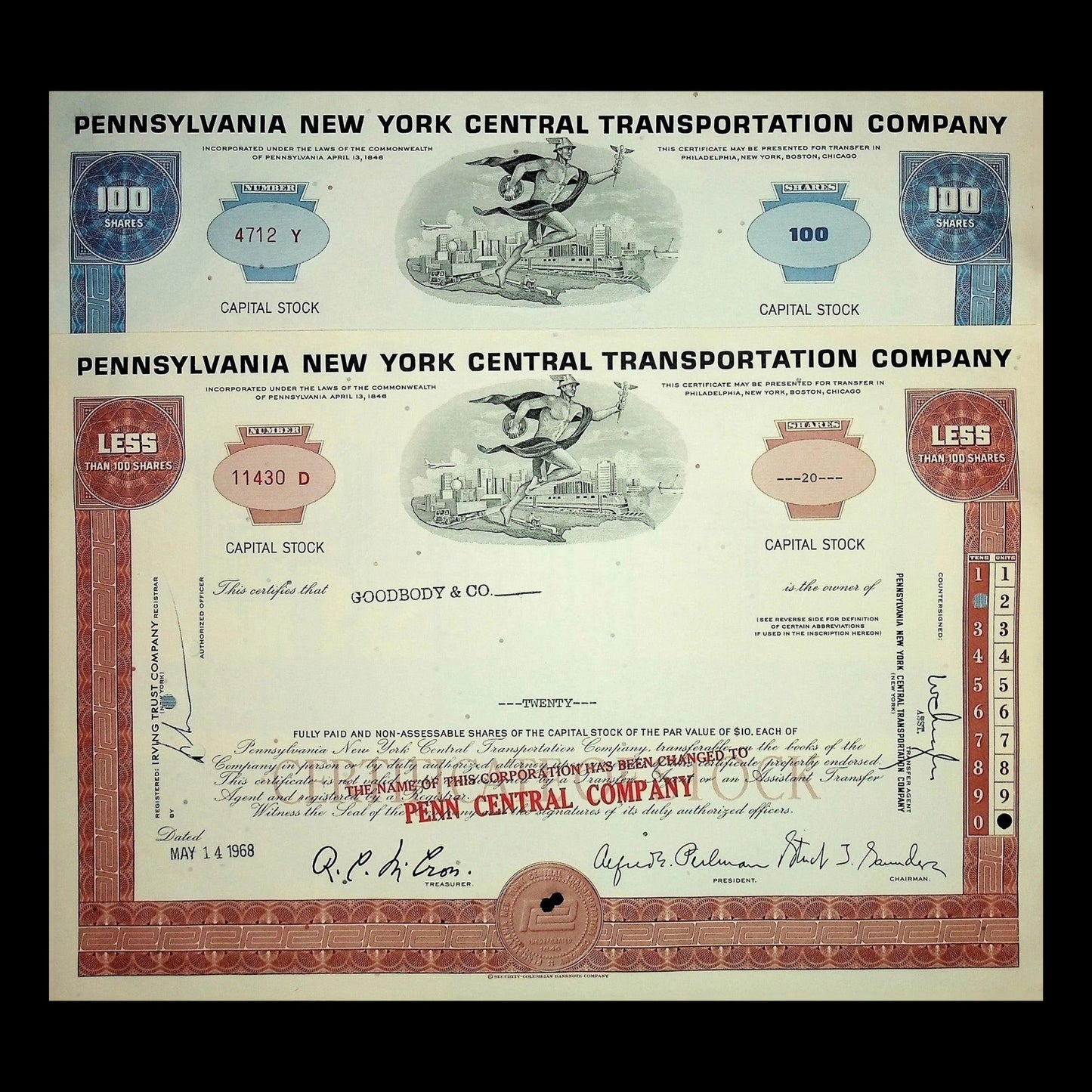
Railroad Stock & Bond Certificate Collectable Bundle Five Pack - 4x Stocks & 1x Bond
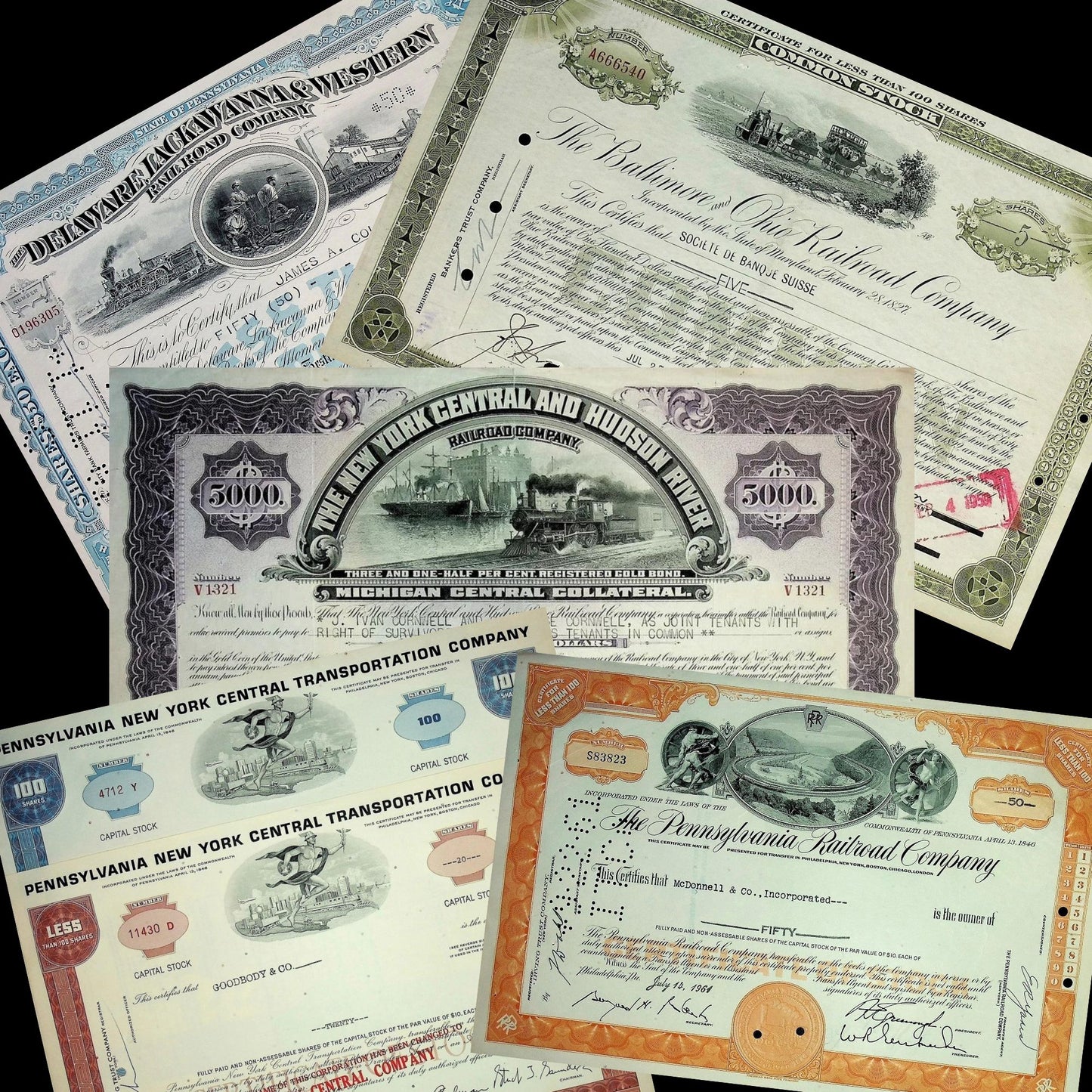
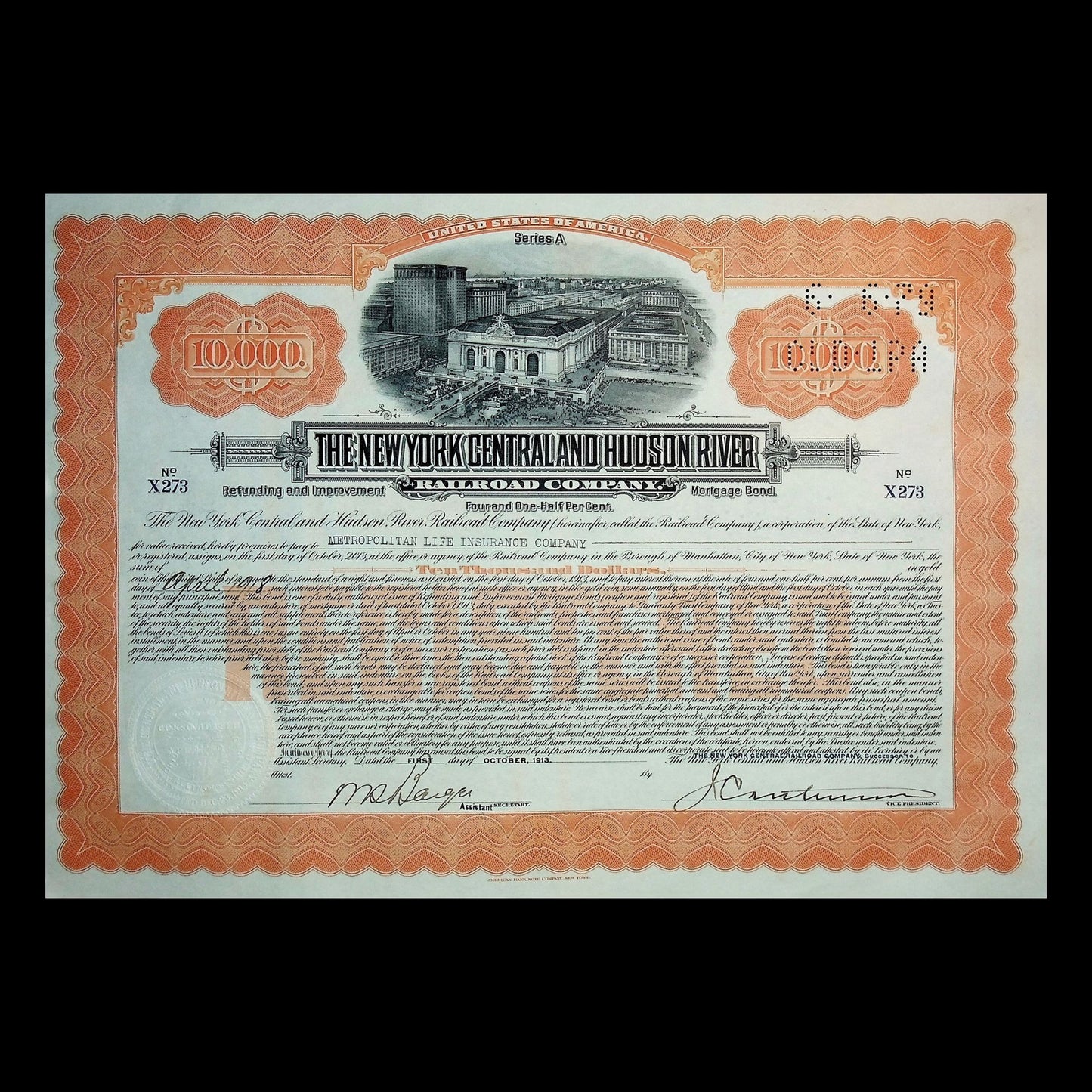
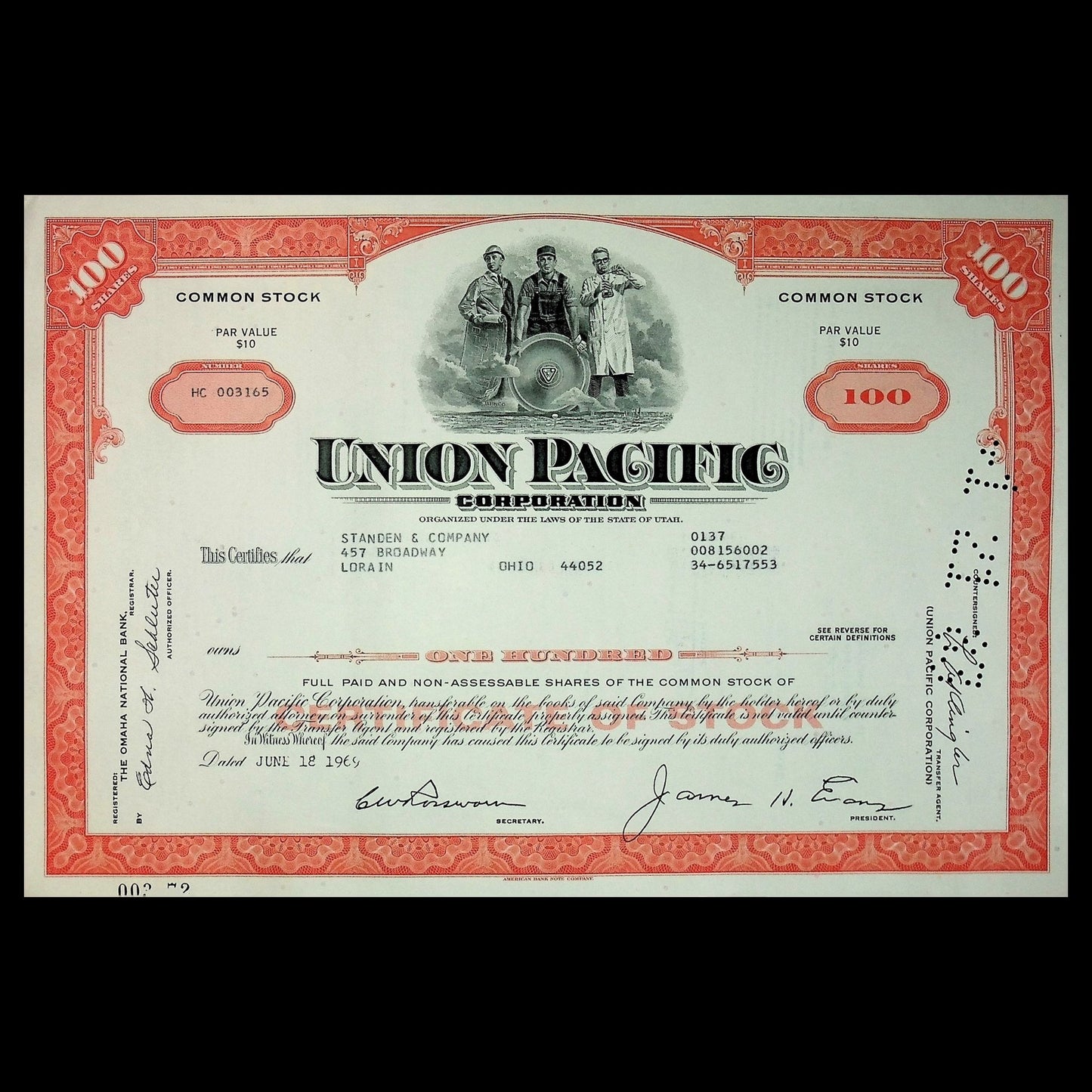
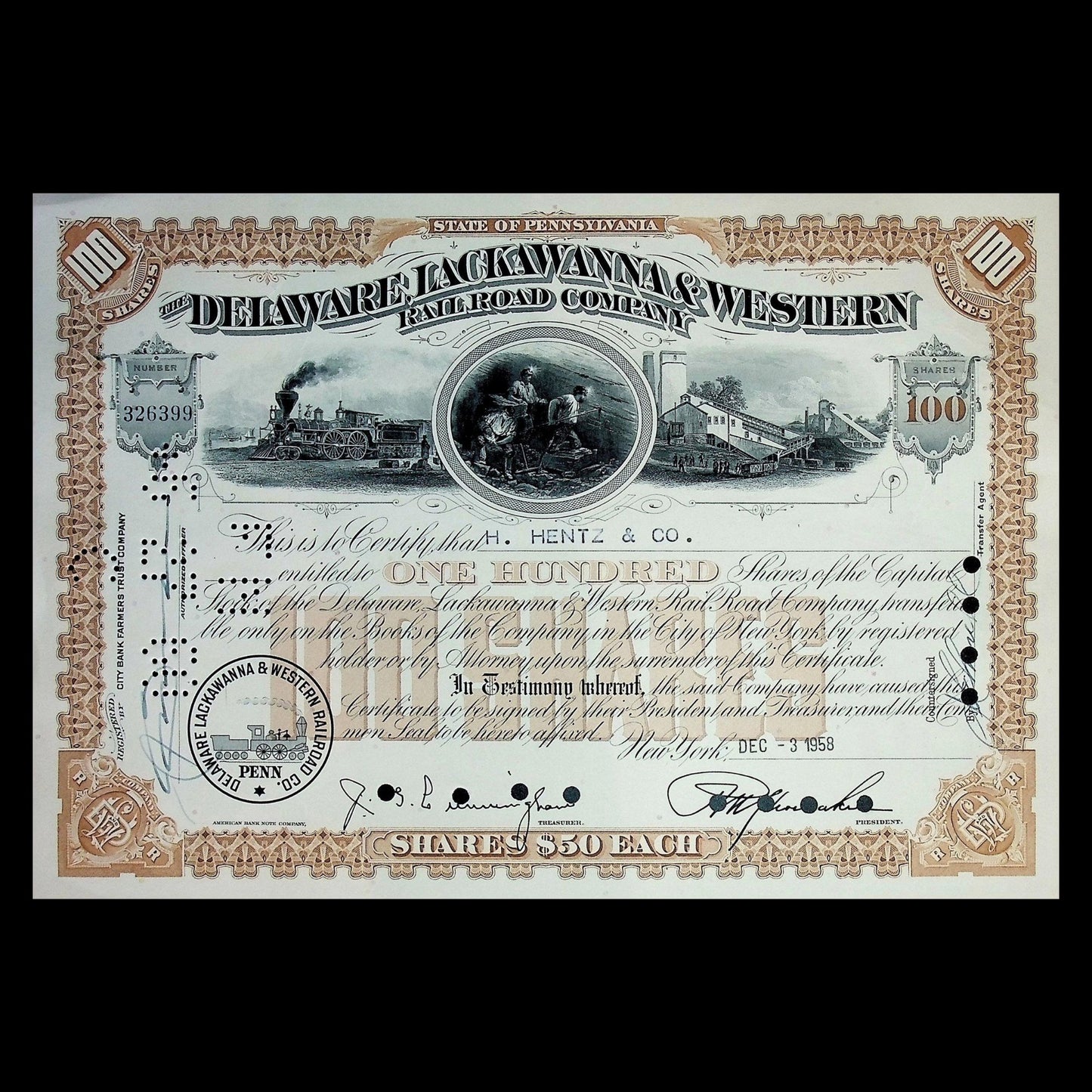
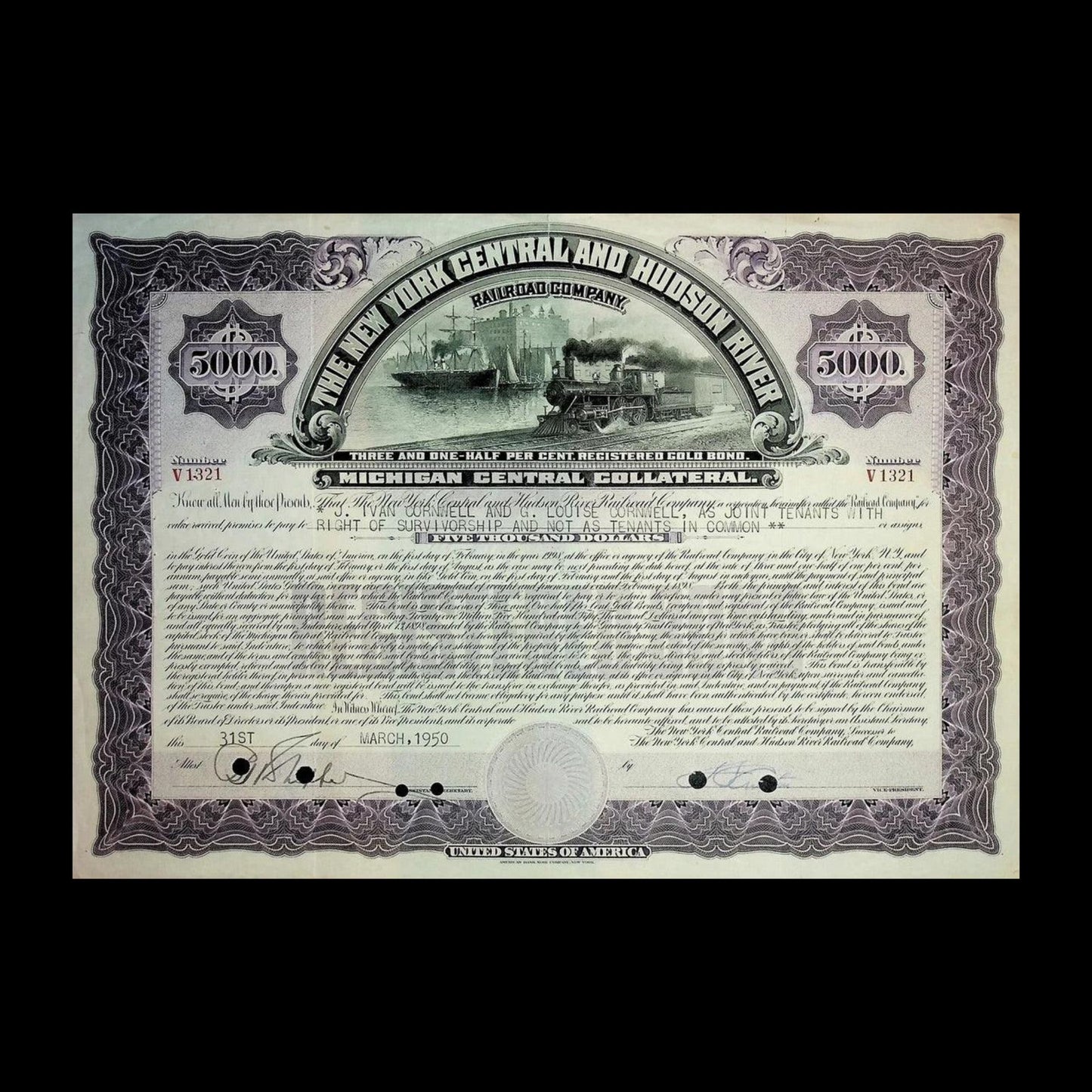
Discover 1,000s of Wall Street Collectables
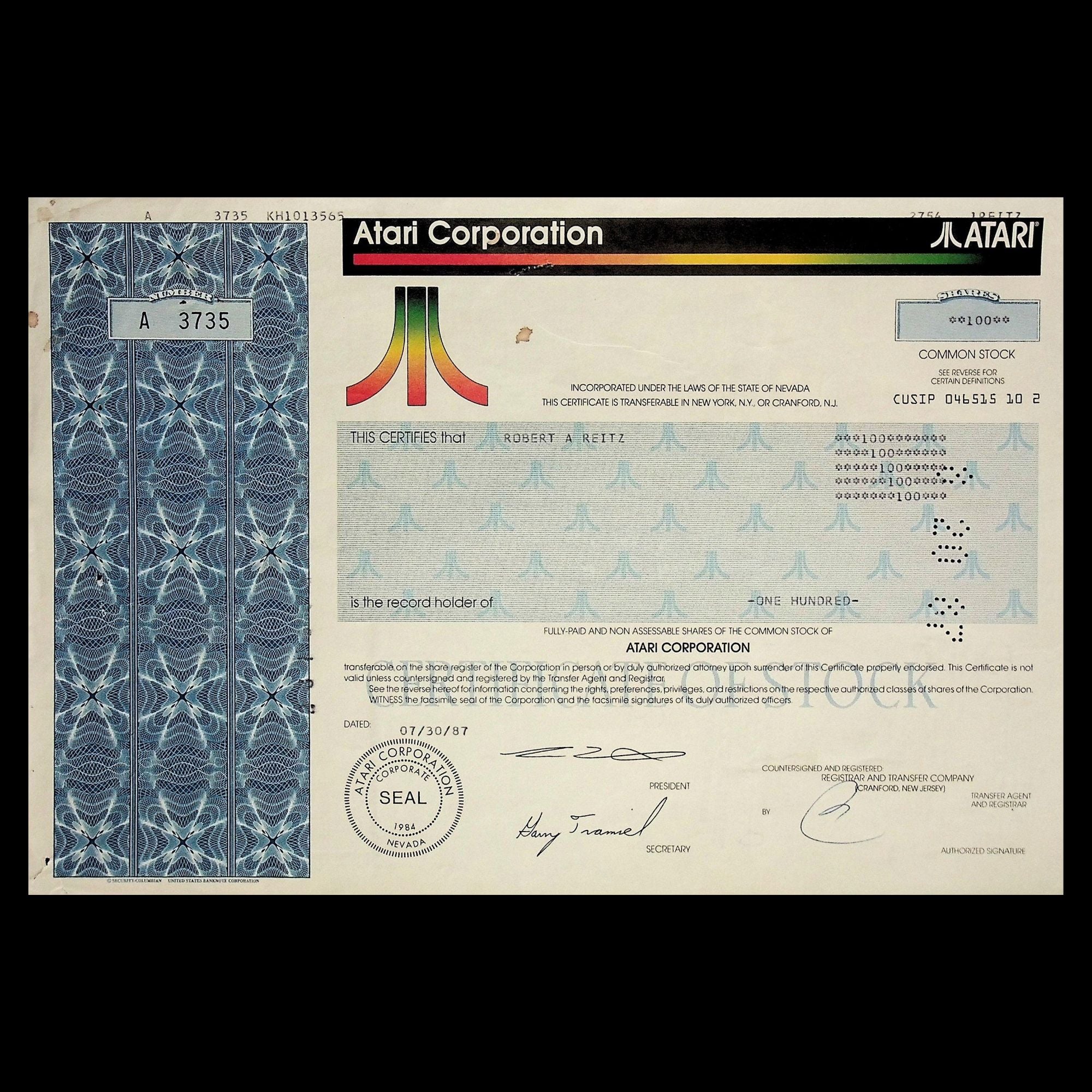
Atari Stock Certificate from 1980s With "Fuji" Logo
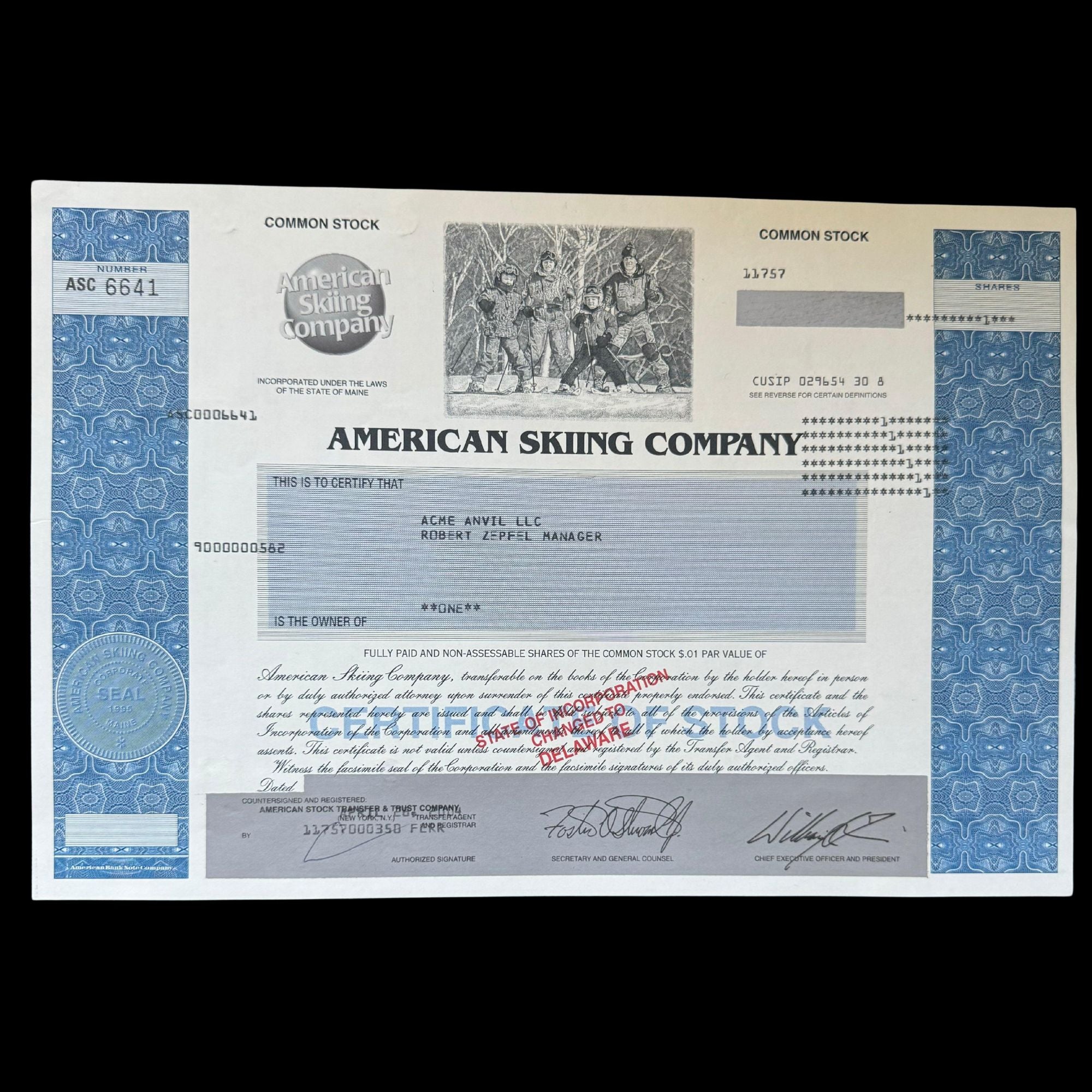
American Skiing Company Stock Certificate (feat photo of Skiers)
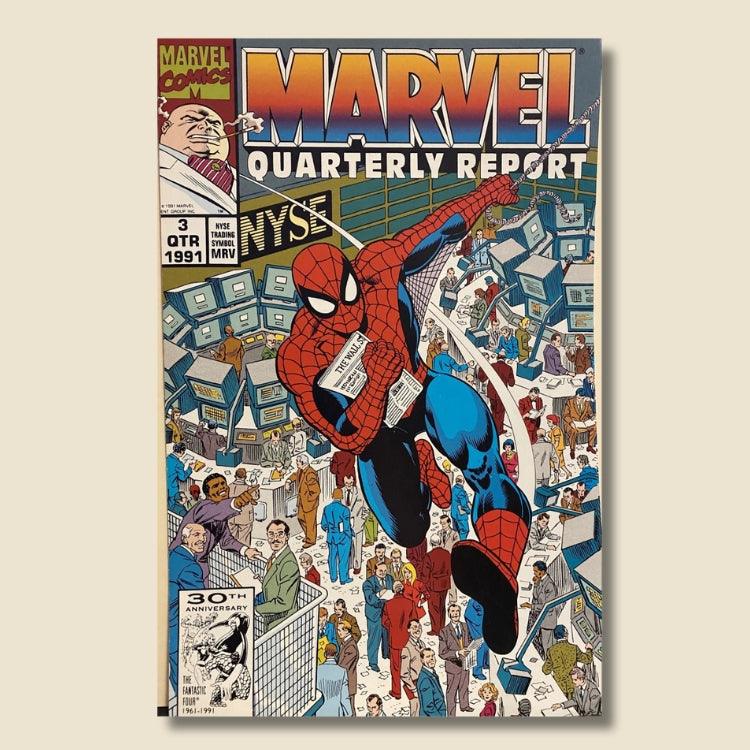
Marvel Spider-Man New York Stock Exchange 1991 Special Edition Comic

Enron Corp Stock Certificate from 2000s era - Authentic & Original
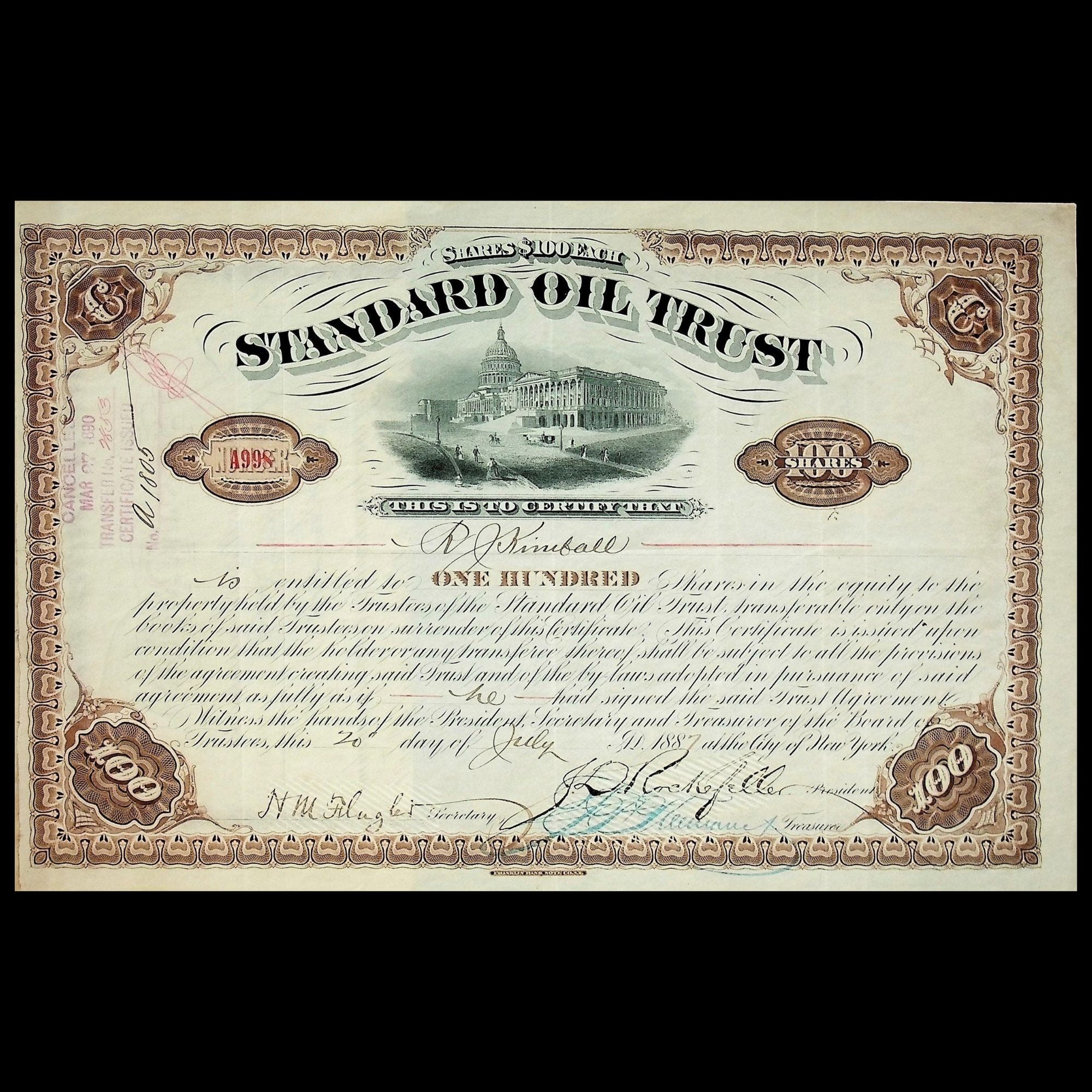
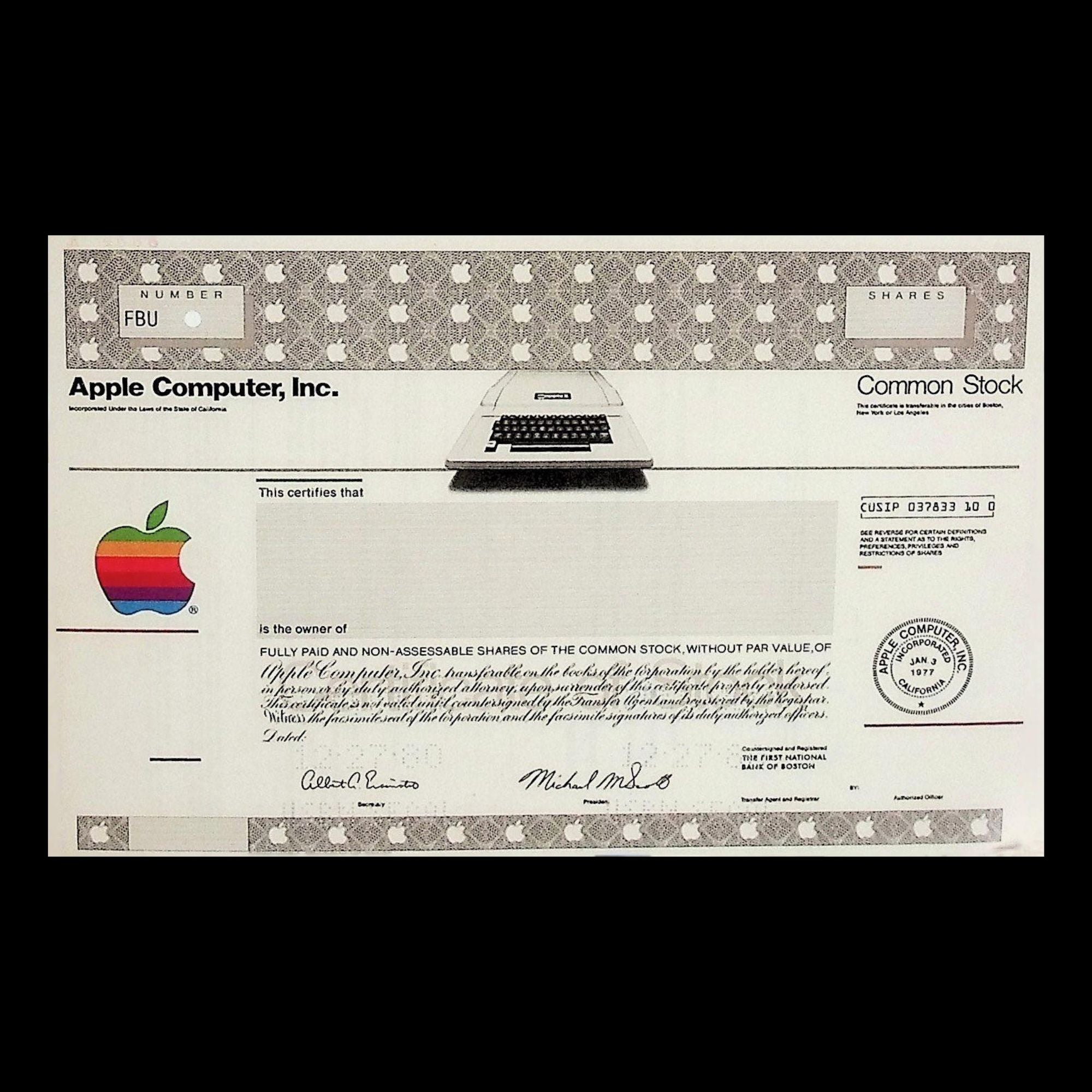
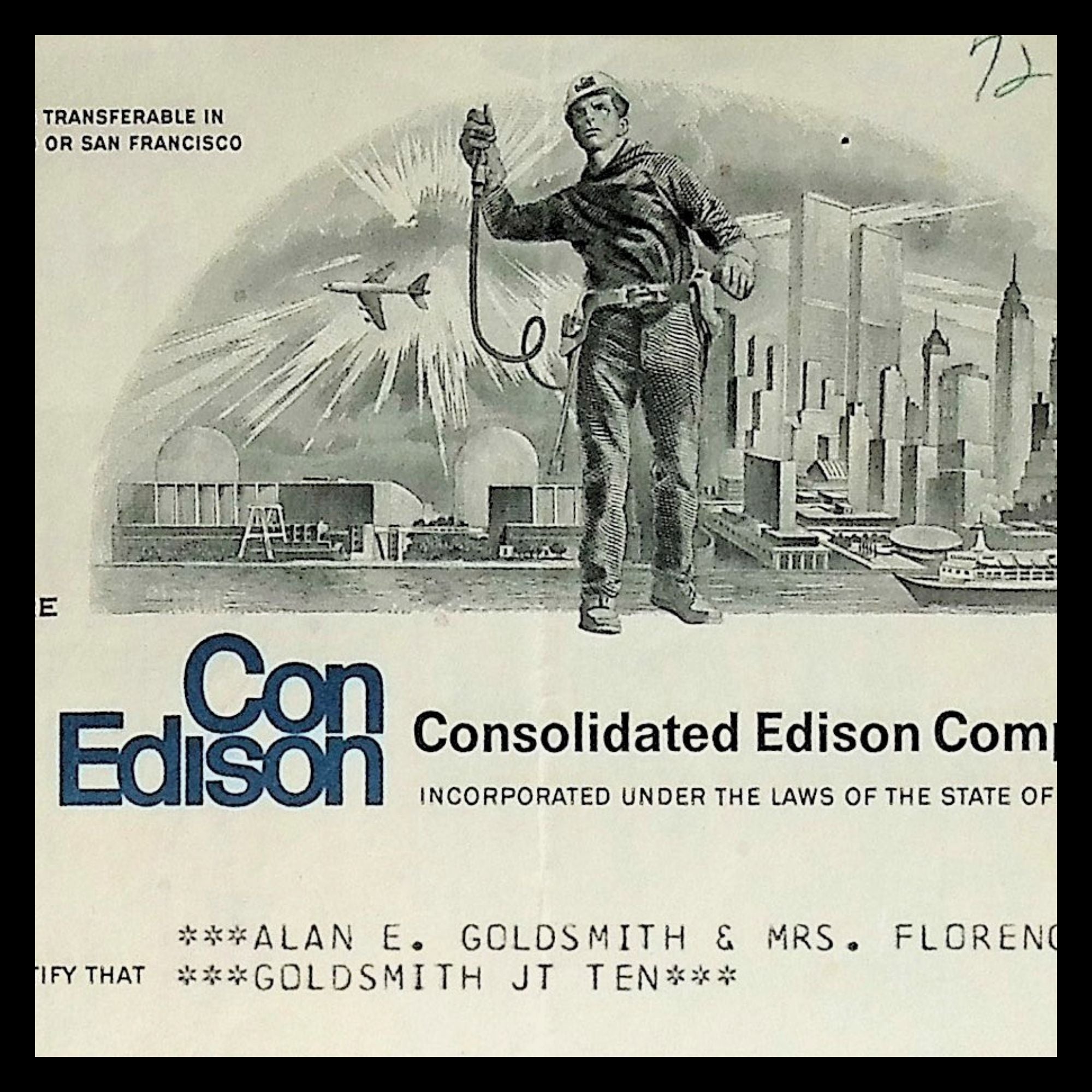

Atari Stock Certificate from 1980s With "Fuji" Logo
American Skiing Company Stock Certificate (feat photo of Skiers)
Marvel Spider-Man New York Stock Exchange 1991 Special Edition Comic
Enron Corp Stock Certificate from 2000s era - Authentic & Original
Atari Stock Certificate from 1980s With "Fuji" Logo
American Skiing Company Stock Certificate (feat photo of Skiers)
Marvel Spider-Man New York Stock Exchange 1991 Special Edition Comic
Enron Corp Stock Certificate from 2000s era - Authentic & Original
Atari Stock Certificate from 1980s With "Fuji" Logo
American Skiing Company Stock Certificate (feat photo of Skiers)
Marvel Spider-Man New York Stock Exchange 1991 Special Edition Comic
Enron Corp Stock Certificate from 2000s era - Authentic & Original
Explore Our Collections
-
American Classics
Showcasing the evolution of American industry through beautifully engraved certificates from iconic...
-

Banks, Insurance & Investment
Discover the rich history of American finance with our collection of authentic...
-

Food & Drink
Collectible Food & Drink Stock & Bond Certificates for Sale - Hershey's, Nabisco,...
-

Transportation
Discover our collection of collectable stock and bond certificates for sale from...
-
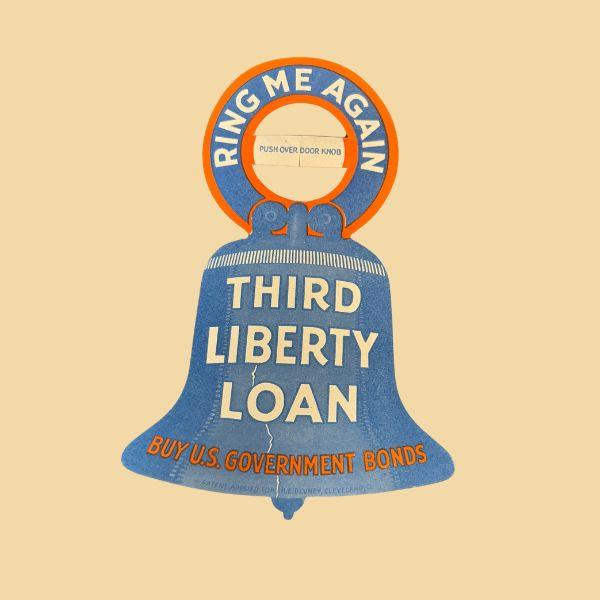
World Wars
Discover our unique collection of World War-era bonds and Disney wartime memorabilia,...
